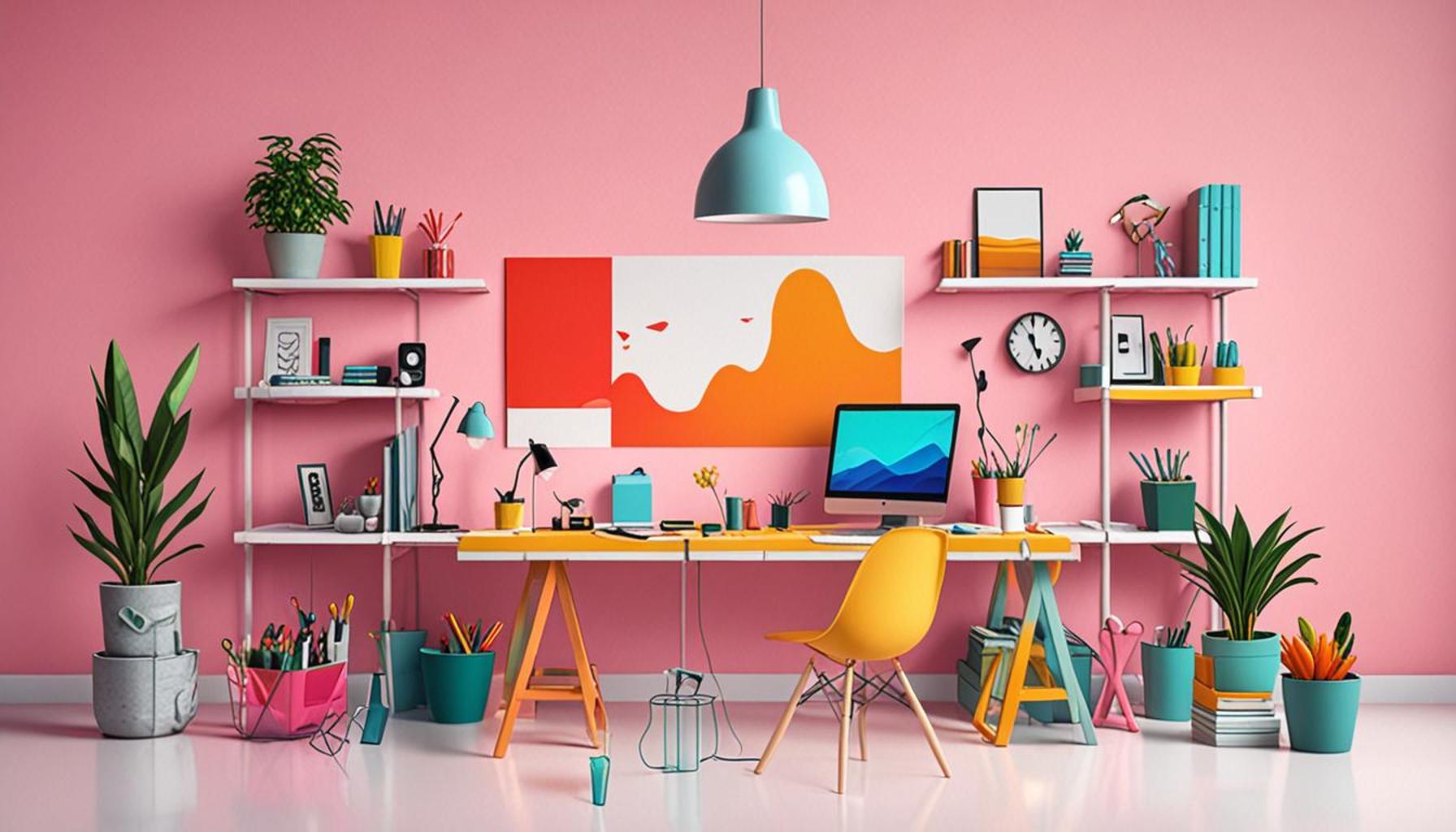
Practical Strategies to Declutter and Organize Small Spaces
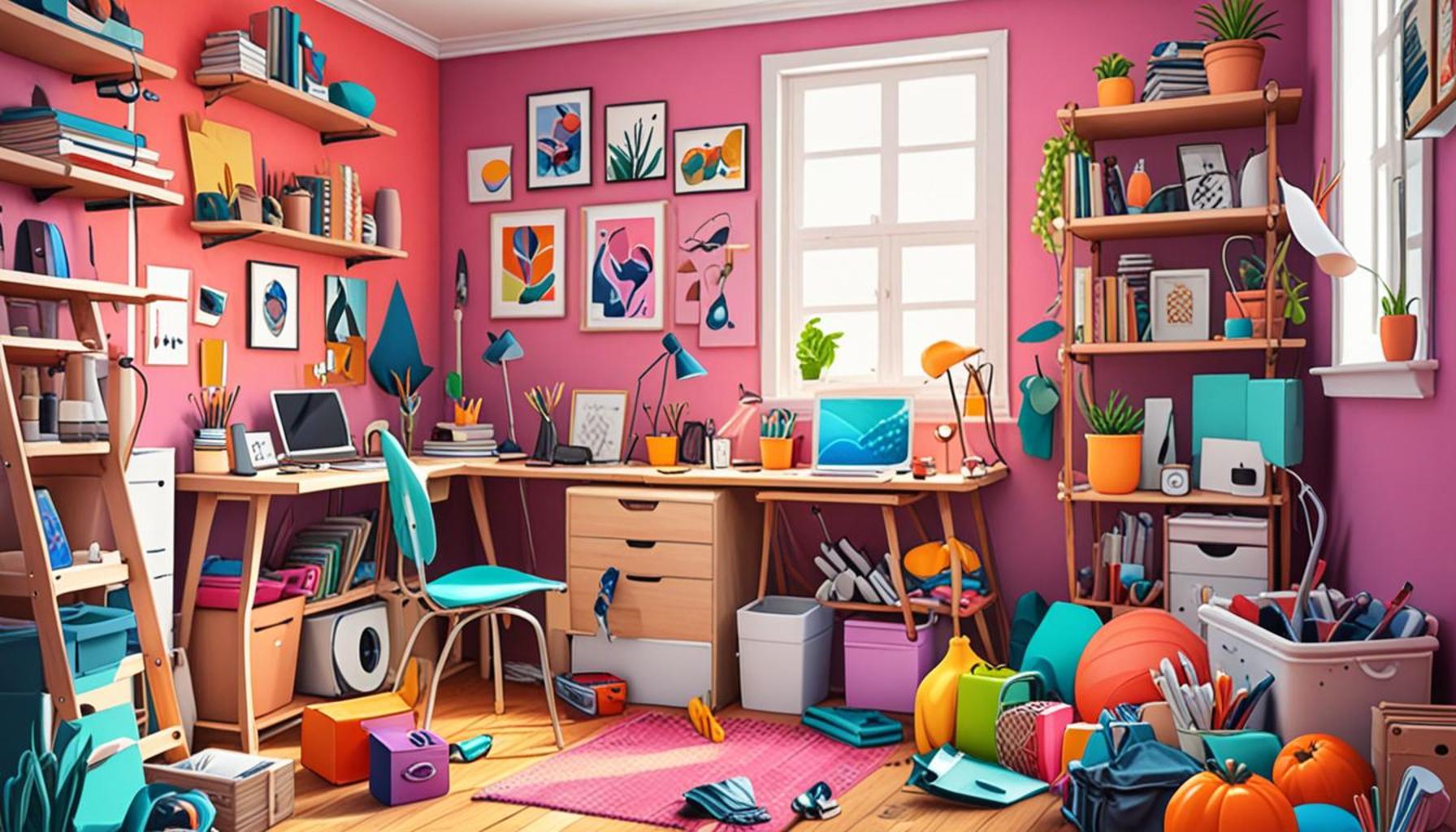
Embracing minimalism in limited spaces
In today’s fast-paced world, the clutter in our homes can often reflect the chaos in our lives. Small spaces present unique challenges, making it essential to adopt effective strategies for organization and decluttering. Minimalism—a lifestyle choice that promotes simplicity—encourages us to prioritize functionality while creating serene environments.
Why it matters
As we shift towards a more minimalist approach, understanding how to manage our belongings becomes crucial. Reducing clutter not only improves aesthetic appeal but also enhances mental clarity and reduces stress. The need for practical solutions has never been more relevant for those living in compact homes or apartments.
Top strategies to explore
This article will delve into the Top 5 practical strategies to conquer disarray in small spaces. Each method is designed to empower you with the tools necessary for transforming your living area into a more organized and peaceful haven. Prepare to discover innovative ideas that can revolutionize your approach to space management.
Top 5 Practical Strategies to Reduce Clutter in Small Spaces
In the era of urban living, where space often comes at a premium, creating a clutter-free environment is essential for maintaining a peaceful and productive home. For those residing in small apartments or tiny houses, managing possessions carefully ensures that the space remains functional and pleasant. The trick lies in acknowledging that every item needs a specific role, and the environmental setup should be as efficient as possible. Here, we dive deeper into the top 5 practical strategies to effectively reduce clutter in small spaces, ensuring that your home feels spacious, organized, and comfortable.
5. Optimize Vertical Space
When floor area is limited, the walls can become your best friend. Vertical space optimization is a dynamic way to free up your floor, transforming previously ignored sections of the room into valuable storage areas.
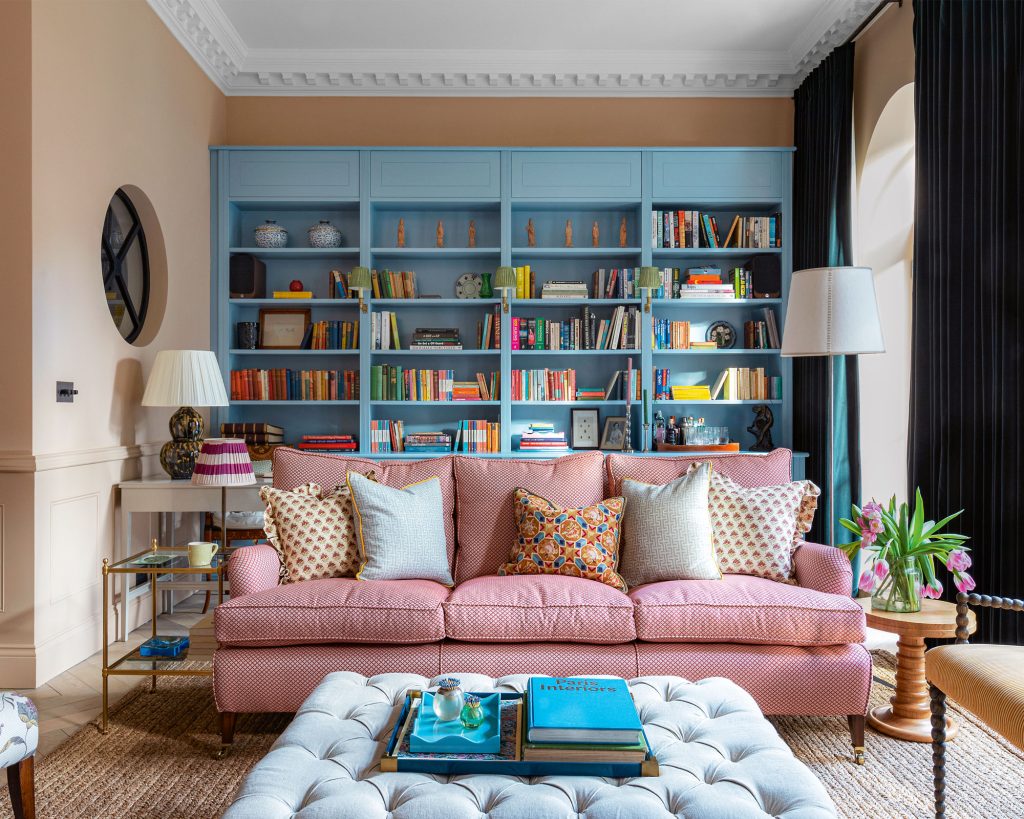
- Wall-Mounted Shelving: These shelves come in various materials and styles to match any decor. Beyond books and personal items, consider using shelves to hold containers that organize essentials like pantry items or office supplies.
- Hooks: Don’t underestimate the power of a simple hook system. Hooks can be installed in bathrooms for towels, in hallways for coats and bags, or kitchens for mugs and utensils. They help keep often-used items within arm’s reach but off tabletops and floors.
- Magnetic Strips: Ideal for kitchens, these strips securely hold knives and utensils, avoiding drawer overcrowding and freeing up counter space. Magnetic strips can also hold small metallic items like scissors or keys.
Incorporating these elements not only enhances storage but also accentuates the room’s aesthetic. Choose lightweight and visually appealing items that let light flow freely, maintaining an airy ambiance.
4. Multi-Functional Furniture
Furniture that serves several purposes is a transformative solution for any confined living area. It allows you to combine form with function, ensuring that every piece serves a dual role, which is especially valuable in small spaces.
- Storage Ottomans: These are excellent for seating guests and conveniently hide items like games, magazines, or bedding. Choose designs that match your style while providing covert storage.
- Convertible Sofas: Perfect for those who occasionally host guests. During the day, it’s a comfortable sofa, and by night, it becomes a cozy bed. This option means no need for a guest room, freeing up space for other uses.
- Foldable Tables: Compact and versatile, they are indispensable for dining or work areas. When not in use, simply fold them away to free up space, instantly transforming the room’s functionality.
Investing in multi-functional furniture reduces the number of items needed, which inherently minimizes clutter. It’s about choosing pieces that suit your personal and spatial needs while enhancing your living area’s practicality and aesthetic appeal.
3. Adopt the One-In, One-Out Rule
The One-In, One-Out Rule serves as a simple yet profound technique to maintain order and contain clutter. By committing to this practice, you ensure that your home remains balanced and clutter doesn’t accumulate unnoticed.
- Encourages Mindful Purchasing: Before bringing an item into your space, this rule makes you think twice about its necessity and function, fostering a more intentional approach to shopping.
- Prevents Accumulation: Regularly letting go of the old for the new keeps items from stacking up, ensuring you aren’t burdened with possessions you rarely or never use.
- Promotes Decluttering: Over time, this habit becomes second nature, naturally incorporating periodic evaluations of what you own, possibly leading you to donate, sell, or responsibly dispose of what you no longer need.
Incorporating this rule brings not only spatial benefits but also nurtures a lifestyle change, where less is indeed more, and each possession is cherished for its utility or sentimentality.
2. Declutter Regularly With a Systematic Approach
A systematic approach to decluttering ensures sustained results. One such method is the KonMari Method, which focuses on tidying by category rather than room.
- Clothing: Begin with clothes, removing those that no longer spark joy. This not only helps in creating space but also enables a wardrobe that reflects your personal style.
- Books: Address your book collection next. Retain only those you anticipate revisiting or that hold special significance to you.
- Miscellaneous: Lastly, tackle items such as kitchen gadgets or paperwork, ensuring each item has a home and serves a purpose.
Regular decluttering reduces the maintenance required to keep your home tidy. The visible improvements post-decluttering provide a sense of achievement, encouraging ongoing effort in maintaining an organized living space.
1. Embrace Minimalism
The philosophy of minimalism is perhaps the most impactful when addressing clutter, especially in small spaces. It’s about valuing simplicity and quality over the sheer accumulation of items.
- Assess Essentials: Minimalism pushes you to evaluate the necessity of each item, encouraging a focus on items that provide utility, joy, or have significant personal value.
- Invest in Quality: With fewer items, you can focus on quality, ensuring that each piece you own is durable, functional, and adds aesthetic value to your space.
- Mindful Consumption: Before acquiring new items, consider their role and value, ensuring that they contribute meaningfully to your living experience.
Embracing minimalism not only physically reduces clutter but also changes your perspective, helping you appreciate a less crowded space. A minimalist approach fosters peace and focus, essential elements for a healthy and stress-free environment.
In summary, these strategies for reducing clutter in small spaces emphasize not only the physical organization of belongings but also a mindset shift toward intentional living. By optimizing vertical space, investing in multi-functional furniture, adhering to the One-In, One-Out rule, maintaining a systematic decluttering approach, and embracing minimalism, you transform your environment into one that not only looks tidy but also supports a serene lifestyle. These strategies invite you to explore and discover the joy and freedom that come with a simpler, clutter-free life.
The challenge of reducing clutter in small spaces often requires creativity and strategic thinking. Here, we explore various practical strategies that can significantly enhance the functionality and aesthetics of compact living areas. One of the foremost tactics is to **maximize vertical space**, which many overlook. By utilizing wall-mounted shelves and tall bookcases, you can draw the eye upward, creating the illusion of a larger room while providing ample storage. This approach not only frees up floor space but also allows you to display decorative items, adding personal flair without overwhelming the environment.Another critical strategy is embracing **multi-functional furniture**. Items like ottomans with storage, sofa beds, and expandable dining tables serve dual purposes, helping you maintain a clutter-free environment. For instance, a coffee table that doubles as a storage container can keep your living space tidy while serving a practical role during social gatherings. This flexibility is essential in small rooms, where every square inch counts.Implementing **minimalist principles** in your decor can also help in creating a serene environment. Consider adopting a few high-impact decor pieces rather than overcrowding shelves and walls with numerous items. Keeping decorations simple and sparse can promote a calming atmosphere, making the space feel less cluttered and more inviting. In addition, practicing the **one-in, one-out rule** can be an effective measure to maintain order in small spaces. This approach encourages conscious consumption; for every new item introduced, an old one must be removed. This not only helps in managing belongings but also prompts individuals to think critically about what they truly need or love, promoting a more intentional lifestyle.Lastly, establishing **designated zones for different activities** is vital in small spaces. Identifying areas for relaxation, work, and storage can prevent overlap and chaos, encouraging a natural flow within your environment. When each area has a clear purpose, it can minimize distractions and clutter, leading to a more organized and functional living space.By integrating these strategies into daily life, individuals can significantly reduce disarray and cultivate a harmonious living environment, even in the tightest of quarters. These practical solutions not only enhance the usability of small spaces but also contribute to an overall sense of well-being and order.
Frequently Asked Questions about Reducing Clutter in Small Spaces
How can I effectively organize a small space to reduce clutter?
Effective organization in small spaces begins with understanding the concept of utilitarian design. This means that every item should serve a purpose or provide value. One useful technique is to utilize vertical storage solutions such as wall-mounted shelves or hooks, allowing you to maximize space without compromising accessibility. Additionally, employing multi-functional furniture can greatly aid in reducing clutter by offering storage options within seating or beds.
What are some common mistakes people make when trying to declutter small areas?
A frequent mistake is underestimating the accumulation of belongings, leading to storage overload. Many individuals also fall into the trap of organizing without purging items first. Remember, simplification is key. Begin by disposing of items that no longer serve a purpose or bring joy, and then focus on organization. Lastly, avoid the temptation of buying organizing products without a clear plan — they might add to the existing clutter instead of reducing it.
Can digital tools help in maintaining a clutter-free environment?
Digital tools can indeed support a clutter-free living by offering online alternatives for traditionally physical items, such as paper bills or magazines. Make use of scanning applications to digitize important documents and receipts, reducing paper clutter. Effective use of apps for inventory tracking can also help manage what you own and prevent overbuying, ensuring that your living space remains organized and functional.
How to maintain a clutter-free space after initial organization?
One of the most effective ways to maintain order in a small space is to establish a routine decluttering practice. Allocate regular time intervals, whether weekly or monthly, to review your belongings and assess what is essential. Also, adopt the one-in-one-out rule: for every new item brought into the home, remove an existing one to prevent accumulation. Cultivating mindful acquisition habits goes a long way in sustaining a clutter-free environment.
Conclusion
In navigating the labyrinth of small spaces, the essence of minimalism and personal organization emerges as a powerful toolset. This journey into practical strategies for decluttering serves as a guide to achieving not only an orderly environment but also a serene and functional living space. Throughout the article, several key strategies were highlighted.
Firstly, the implementation of smart storage solutions can revolutionize how we interact with compact spaces. By utilizing vertical storage and multifunctional furniture, one can maximize every square inch, transforming cluttered rooms into efficient havens. The art of letting go, emphasizing the importance of a mindful approach to possessions, cannot be overstated. Simplifying by shedding unnecessary items not only clears up physical space but also unburdens the mind.
Furthermore, the habit of routine maintenance was underscored as a cornerstone of sustainable organization. By dedicating time regularly to tidy up, individuals can maintain the order and harmony achieved through initial decluttering efforts. This proactive approach prevents the gradual accumulation of clutter, ensuring a consistently organized environment.
Lastly, embracing the minimalist mindset influences not only our physical surroundings but also enhances mental clarity. In a world saturated with excess, the minimalist philosophy offers a refreshing counterpoint. It encourages introspection about what truly adds value to our lives and highlights the joy found in simplicity.
As we conclude, it’s clear that reducing disorder in small spaces through these practical strategies can profoundly impact our quality of life. With minimalism at its core, personal organization transcends mere tidying—it becomes a transformative lifestyle choice. For those ready to embark on this journey, these insights offer a robust starting point to reclaim their space and, ultimately, their peace of mind.