
Marine predator reference
Ocean predators, measured side by side.
How long is a colossal squid next to a sperm whale? Which hunts deeper, and which is closer to extinction? Put any two ocean predators together and compare them against sourced measurements rather than guesswork.
The catalog
Seven kinds of ocean hunter
Predators reach the top of a marine food web along very different routes. These groups are organized by how each animal is built and how it makes a living, not by how dangerous it is.
Sharks
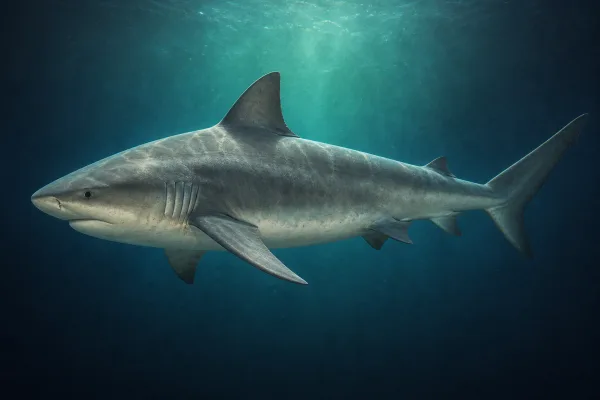
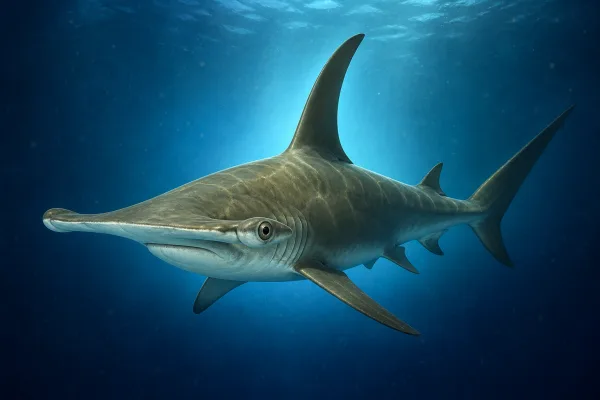
Cartilaginous hunters ranging from coastal reef patrollers to slow-moving polar giants.
See all sharks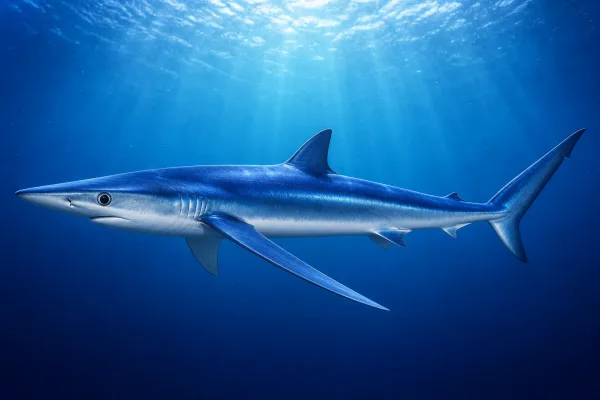
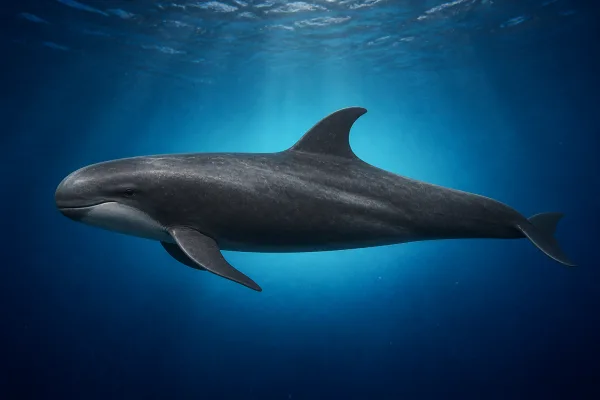
Toothed Whales & Dolphins
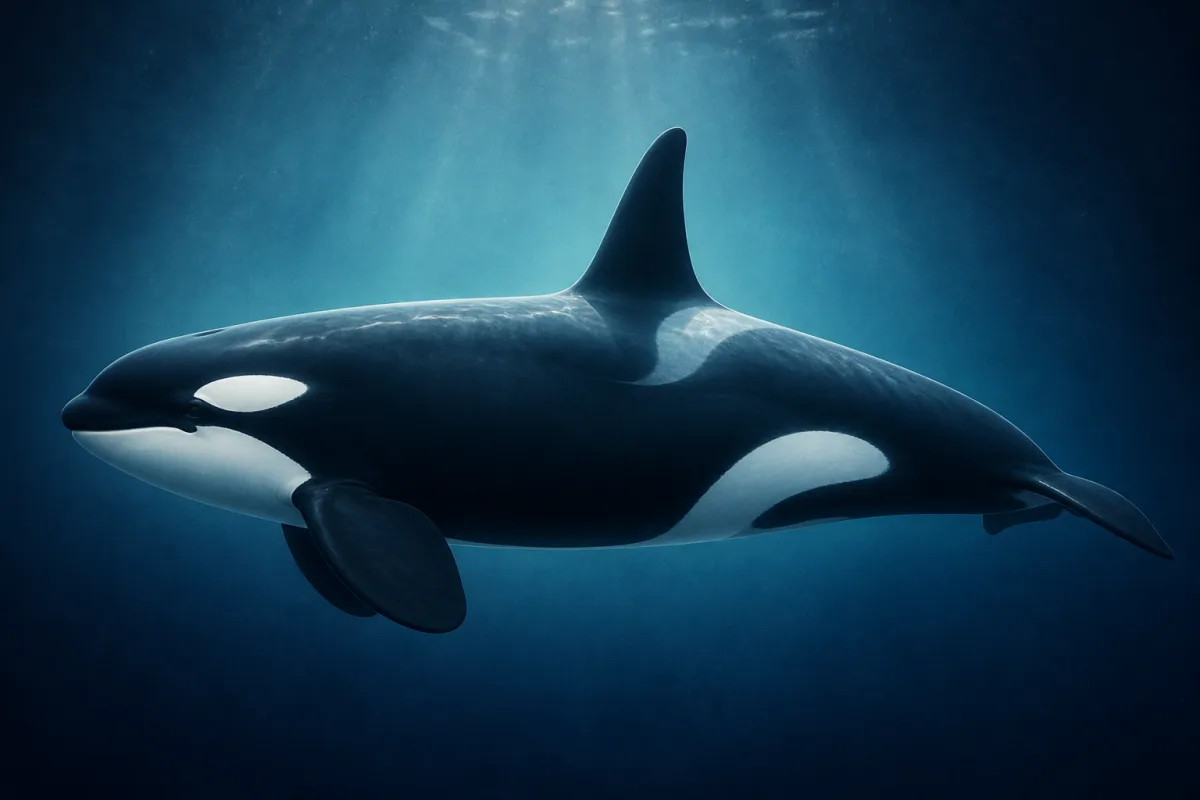
Air-breathing mammals that hunt with echolocation, often in cooperative family groups.
See all toothed whales & dolphins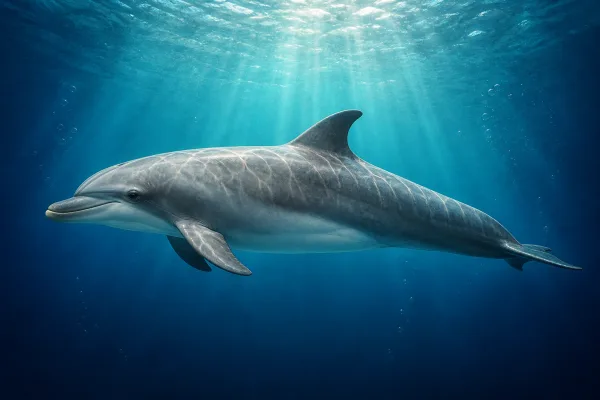
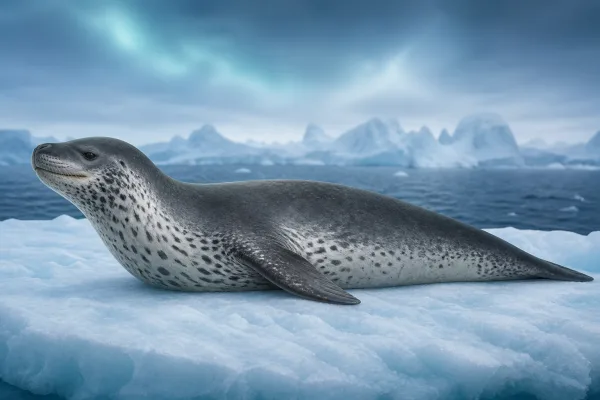
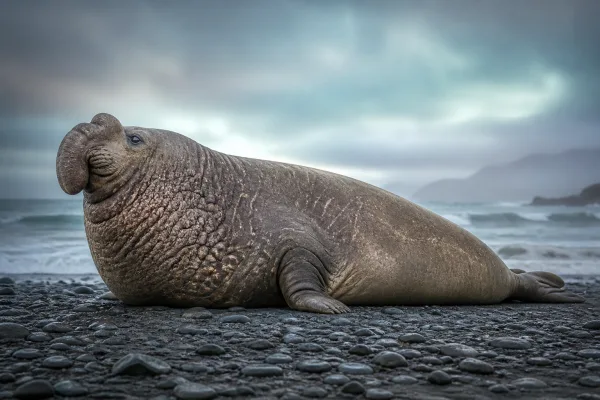
Seals, Sea Lions & Walruses
Amphibious mammals that feed at sea and return to shore or ice to rest and breed.
See all seals, sea lions & walruses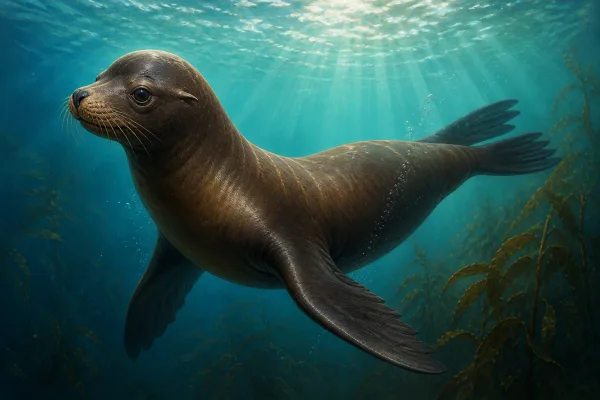
Marine Crocodilians
Ambush reptiles that cross saltwater and dominate estuaries, mangroves and river mouths.
See all marine crocodilians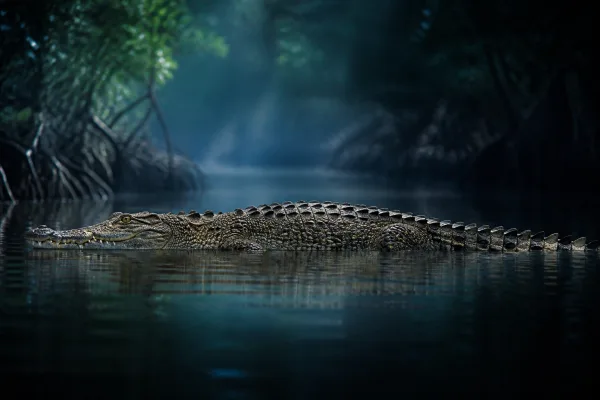
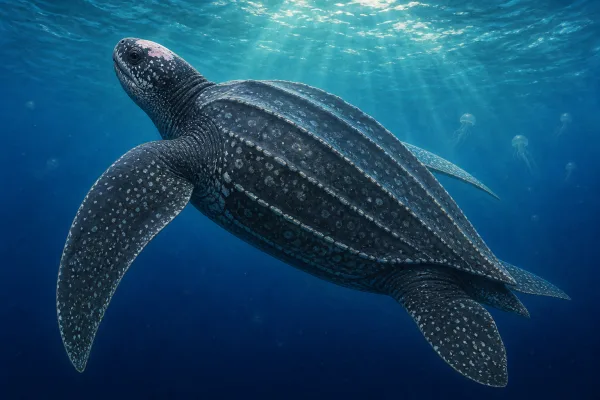
Predatory Cephalopods
Soft-bodied molluscs with arms, tentacles and beaks, from reef octopuses to deep-sea squid.
See all predatory cephalopods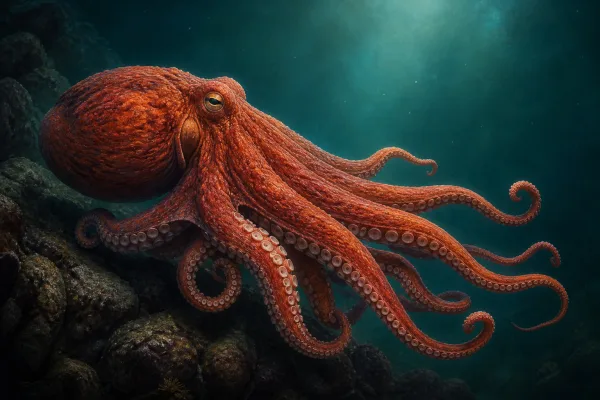
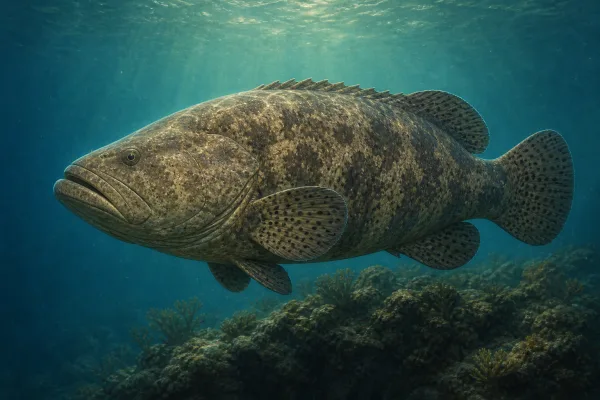
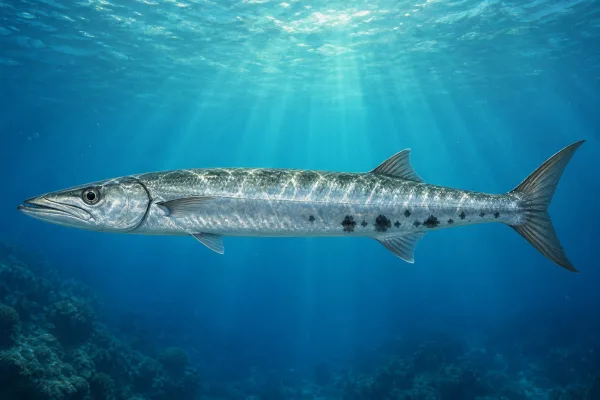
Predatory Fish
Bony fish built for speed, ambush or venom, including billfish, tuna and reef hunters.
See all predatory fish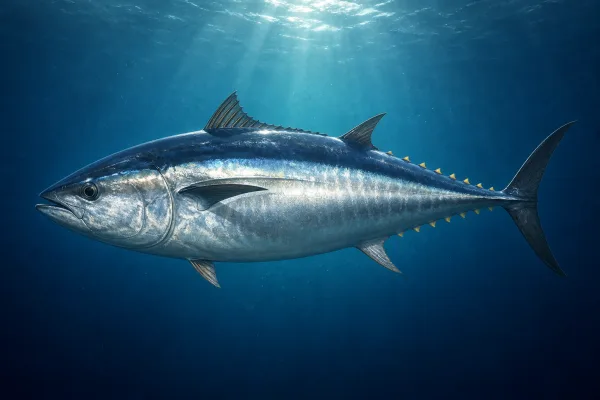
Other Ocean Hunters
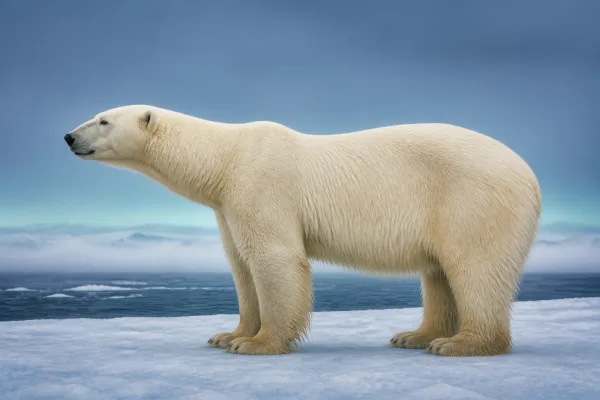
Bears, birds and reptiles that earn their living hunting in the sea.
See all other ocean hunters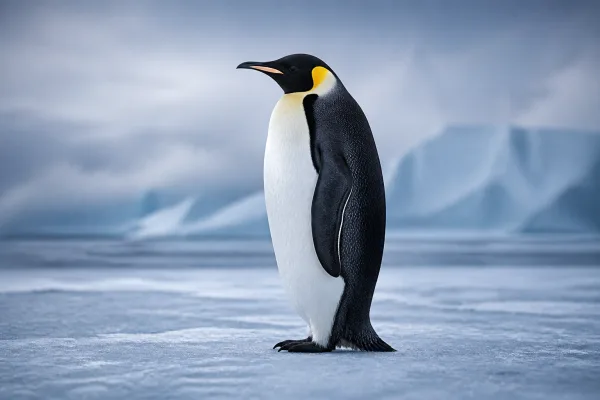
Worth comparing
Pairings that explain something
Each of these has a written comparison behind it, because the two animals illuminate each other: same niche in different oceans, same prey by different methods, or the same body plan at wildly different scale.
Two toothed whales, two strategies
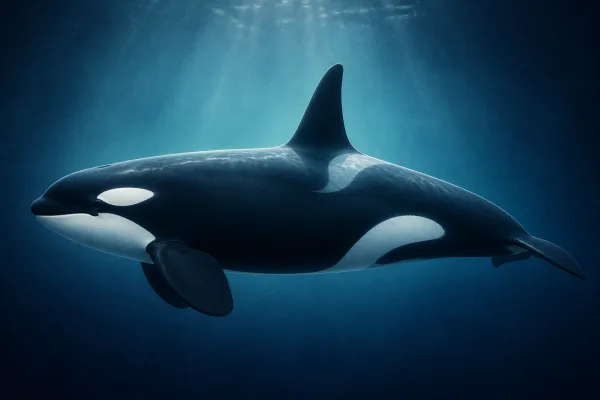
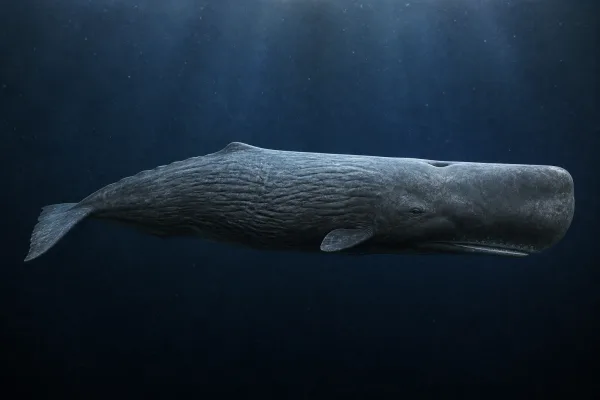
Orca vs Sperm Whale: Two Toothed Whales Compared
The largest dolphin and the largest toothed predator share every ocean but divide it by depth, diet and the way their families are organized.
A warm-bodied fish and a patient reptile
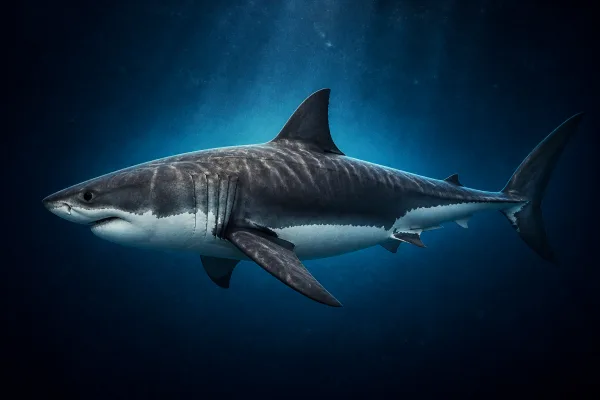
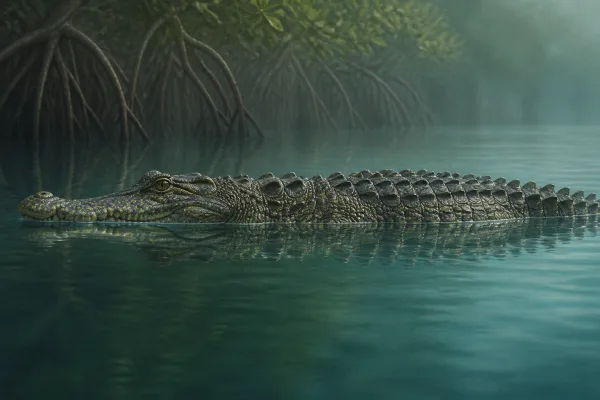
Great White Shark vs Saltwater Crocodile: Fish, Reptile
The largest predatory fish and the largest living reptile reach nearly the same length by opposite routes, one on warm muscle and one on patience.
A predator and its prey, known almost entirely at second hand
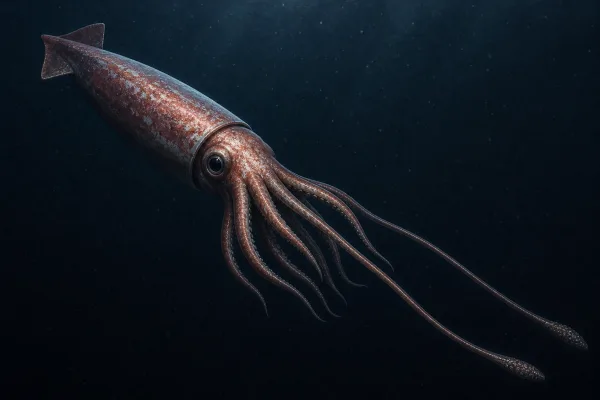
Sperm Whale vs Giant Squid: Predator and Prey
One of the ocean's best-known feeding relationships rests on beaks, scars and stomach contents. No encounter between the two has ever been filmed.
A measurement problem more than a size difference
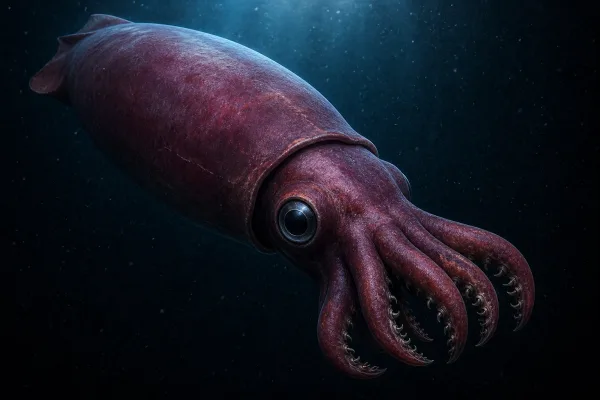
Giant Squid vs Colossal Squid: Longer or Heavier?
Two of the largest invertebrates known, separated by a measurement problem: one is much longer, the other far heavier, and both samples are tiny.
Background reading
Why the ocean produces these animals
A predator only makes sense in context. These guides cover the structure of the ocean, the flow of energy through it, and the pressures that decide which hunters survive the century.
Ocean habitats
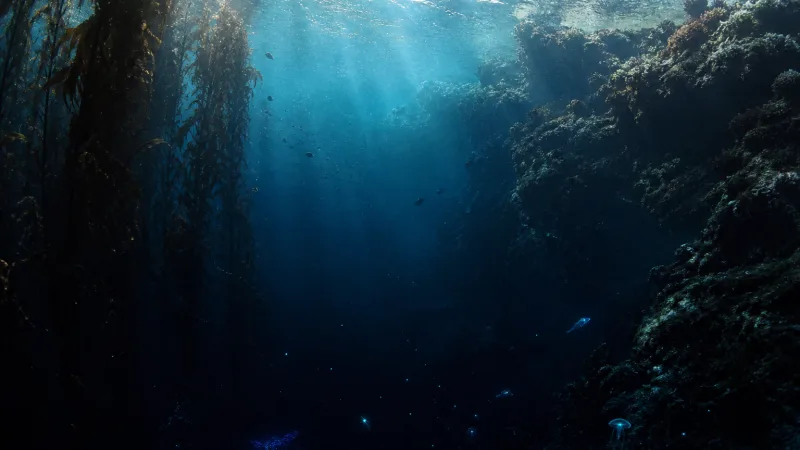
Marine Ecosystems: Ocean Zones and Habitats
How the ocean's vertical zones and coastal habitats shape which predators live where, from sunlit reefs to the cold, dark abyss.
Ocean energy flow
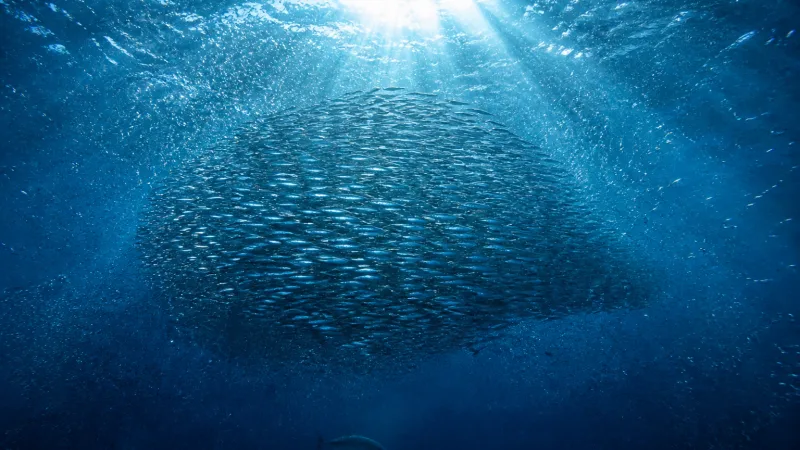
Ocean Food Webs: Plankton to Apex Predators
How sunlight becomes plankton and plankton becomes sharks and whales, why energy is lost at every step, and why top predators are rare.
Threats and recovery
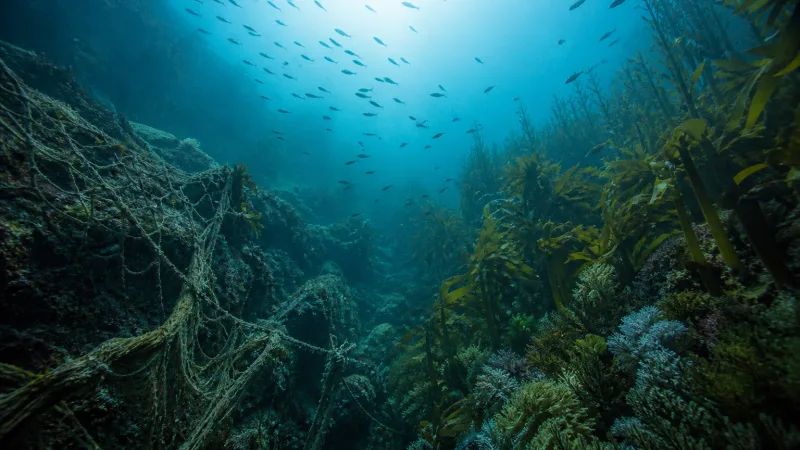
Ocean Predator Conservation: Threats and Recovery
The pressures that actually drive ocean predator declines, from fishing and bycatch to warming seas, and the measures with real evidence behind them.
How the numbers are chosen
Ranges, not record claims
Animal measurements vary by sex, region and how the animal was measured, and the most dramatic figures are often the least documented. Every profile reports the range that published sources actually support, notes where researchers disagree, and links to the assessments and agencies the figures came from.