Discovering Minimalism
In today’s fast-paced world, the concept of minimalism is gaining extraordinary popularity among homeowners and designers alike. It emphasizes the essence of simplicity while promoting an uncluttered lifestyle. By stripping away the excess, minimalism allows us to focus on what truly matters in our living spaces, offering a refreshing contrast to the chaos of modern life.
The Essence of Functional Spaces
Minimalism is not just about reducing items; it’s about creating environments that serve their purpose efficiently. This design philosophy advocates for spaces that enhance functionality while providing an aesthetically pleasing experience. Consider the following key features of minimalist design:
- Open Spaces: These areas promote flow and freedom, making small regions feel larger and more inviting. For example, a studio apartment can effectively use an open floor plan that combines living, dining, and sleeping areas, ensuring a sense of cohesiveness and avoiding the suffocation that clutter can bring.
- Neutral Color Palettes: The use of whites, grays, and earth tones creates a calm atmosphere that is essential in fostering relaxation. Minimalist designers often incorporate accents of muted colors to add depth while maintaining a sense of tranquil simplicity.
- Multi-functional Furniture: Pieces that serve multiple purposes—like a sofa bed or a coffee table with storage—maximize utility and efficiency. Such furniture is especially advantageous in urban settings where space is at a premium, allowing for versatility without sacrificing style.
These elements contribute to a functional home that enhances day-to-day living. This approach invites residents to engage with their surroundings more meaningfully, creating a harmonious balance between form and function.
Creating Cozy Ambiance
Minimalism, at its core, can be remarkably cozy, challenging the misconception that simplicity equals sterility. Here are several ways it cultivates warmth:
- Thoughtful Layout: In minimalist spaces, each piece has significance, fostering emotional connections. By curating items that tell a story or evoke memories, individuals can create inviting spaces that reflect their identities.
- Natural Light: Open spaces filled with sunlight can create a serene vibe that uplifts the spirits. Large windows or strategically placed mirrors not only enhance the brightness of a room but also create a sense of openness and tranquility.
- Textural Variety: Incorporating textiles, such as soft rugs, woven throws, and plush cushions adds warmth without compromising simplicity. These elements can soften hard surfaces and bring tactile interest into a space, making a minimalist home feel inviting and cozy.
As we dive deeper into the role of minimalism in crafting functional and cozy living spaces, we uncover how to integrate these principles into our homes for a more fulfilling lifestyle. Embracing minimalism does not mean living without; rather, it’s about making conscious choices to surround ourselves with what truly enhances our day-to-day experiences. Discovering the balance within minimalism could lead to renewed engagement with our living environments, granting us clarity and peace in an otherwise overwhelming world.
DISCOVER MORE: Click here for efficient tips
Embracing the Minimalist Mindset
As we explore the impact of minimalism on living environments, it becomes clear that this philosophy is more than just a design aesthetic; it is a holistic approach to life that fosters intentionality and mindfulness. At its core, minimalism encourages us to evaluate the possessions we hold dear and make purposeful choices about what we allow into our homes. This mindset not only aids in creating a tidy environment but elegantly bridges the gap between functionality and comfort.
The Principles of Thoughtful Design
To harness the benefits of minimalism effectively, it is essential to consider several guiding principles that can transform a conventional living space into a haven of serenity and efficiency:
- Conscious Selection of Decor: Instead of filling spaces with generic items, minimalism emphasizes choosing decor that resonates personally or holds meaning. This might include a cherished piece of art or a meaningful family heirloom that adds character and warmth, helping to personalize the environment without overwhelming it.
- Functional Zones: Creating distinct areas for specific activities helps to maintain focus and organization. By strategically designating spaces for work, relaxation, and social interaction, minimalism enables residents to engage with their environments more constructively while preventing the sense of chaos that can arise in multi-purpose areas.
- Simplicity in Detail: Streamlining complex designs allows for a clean and harmonious look. This can be achieved through the use of simple lines and forms, avoiding overly ornate furnishings. Minimalism celebrates the beauty of simplicity, demonstrating that elegance does not need to be extravagant.
Through the integration of these principles, homeowners can cultivate environments that not only look appealing but also fundamentally support their daily routines. In the realm of minimalism, less truly can be more, particularly when it comes to fostering a functional lifestyle.
The Psychological Benefits of Minimalist Spaces
Beyond aesthetics and functionality, a minimalist approach can also yield profound psychological benefits. Living in a space free from excess and distraction promotes mental clarity and focus. Research has shown that clutter can contribute to feelings of anxiety and overwhelm, while simple, organized spaces can enhance mood and productivity. By adopting a minimalist mindset, individuals are empowered to let go of distractions and embrace a clearer sense of purpose in their surroundings.
Furthermore, minimalism encourages deeper connections with our environment and ourselves. By reducing clutter, we invite a greater awareness of the items around us, fostering gratitude for what we have. This emotional shift can lead to a more fulfilling living experience, where each element of the home serves to enhance well-being and comfort.
As we dive deeper into how minimalism shapes cozy living spaces, we will uncover practical strategies to incorporate these principles into homes, elevating the art of living in simplicity while nurturing a warm and inviting atmosphere.
The Power of a Minimalist Palette
In minimalist design, color schemes play a crucial role in creating a sense of serenity and warmth. By utilizing a limited palette, generally consisting of neutral tones accented with muted colors, spaces can feel open and inviting. The careful selection of hues ensures that each element, from furniture to decor, stands out while promoting a cohesive look. This approach not only enhances visual simplicity but also makes it easier for individuals to find solace in their home environments.
Maximizing Space and Functionality
Minimalism goes beyond aesthetics; it emphasizes functional design. Clever storage solutions such as built-in cabinets or multi-functional furniture can drastically reduce clutter, allowing for a more organized and livable space. By focusing on essential items, homeowners can make room for creativity and flexibility in their daily lives. This practicality is especially vital in smaller living spaces where every square inch counts, making the art of minimalism highly relevant in urban settings.
The Emotional Aspect of Minimalism
Creating a cozy living space involves not just physical arrangements but also emotional connections to the environment. Minimalism encourages individuals to showcase only items that hold significant personal meaning, which can foster a sense of gratitude and appreciation for one’s surroundings. This intentionality helps to create a sanctuary-like feel, inviting relaxation and tranquility, which is often lost in overly decorated homes.
| Advantage |
Description |
| Enhanced Aesthetics |
A minimalist design creates a serene atmosphere through a balanced color palette, fostering a cohesive and inviting environment. |
| Increased Functionality |
Utilizing multi-functional furniture and smart storage solutions can greatly improve space efficiency, promoting a clutter-free living experience. |
Minimalism and Sustainability
The principles of minimalism often align with sustainable living. By encouraging consumers to purchase fewer, higher-quality items rather than accumulating possessions, minimalism contributes to less waste and promotes an environmentally conscious lifestyle. This shift not only benefits personal well-being but also has a positive impact on the overall health of the planet. Embracing minimalism allows individuals to make mindful choices that align with their values.
DISCOVER MORE: Click here to transform your routine
Designing for Comfort and Utility
As we venture further into the realm of minimalism, it becomes increasingly evident that this philosophy can be seamlessly integrated to not only enhance functionality but also instill a sense of coziness within living spaces. The key lies in marrying aesthetic appeal with practicality, allowing inhabitants to thrive in their environments. Below are some practical strategies that amplify these qualities.
Layering Textures
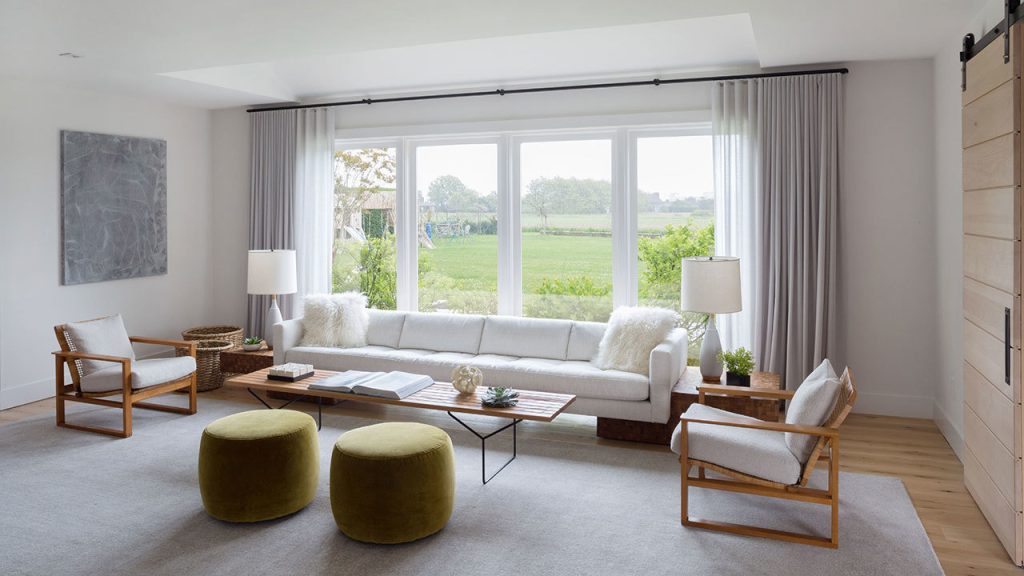
While minimalism often leans towards simplicity in color palettes and forms, it does not have to sacrifice warmth. One of the most effective ways to create a cozy atmosphere is through the thoughtful layering of textures. This can involve incorporating natural materials such as wood, wool, and cotton. For instance, a simple beige sofa adorned with a soft, knitted throw and a plush area rug can transform an otherwise stark living room into a welcoming sanctuary. Such tactile elements invite touch and encourage relaxation, reflecting the dual ethos of minimalism: functional beauty.
Emphasizing Natural Light
Natural light plays a crucial role in creating an inviting ambiance. Minimalist design prioritizes open spaces with large windows or skylights, illuminating the interior with sunlight and enhancing the feeling of openness. Research indicates that exposure to natural light can improve mood and overall well-being. By strategically designing spaces to maximize light infiltration, residents not only enjoy a more vibrant home but also experience the psychological benefits associated with sunlight, such as increased serotonin levels.
Smart Storage Solutions
Storage solutions are fundamental in achieving a clutter-free environment while ensuring that necessary items are readily accessible. Minimalist spaces often incorporate multifunctional furniture, such as ottomans with hidden storage or coffee tables that can double as shelving units. These items serve a dual purpose – they provide utility while retaining the aesthetic cleanliness that is characteristic of minimalism. Clever storage lets homeowners keep belongings organized without sacrificing style, reinforcing the balance between function and comfort in their living spaces.
Cohesive Color Schemes
Color is another essential aspect of design that can heavily influence the feel of a space. Minimalist living encourages the use of soft, neutral tones, which can evoke a serene atmosphere. Shades such as whites, grays, and earthy tones create a backdrop where minimalist furniture can truly shine. When accented with splashes of color through decor items like cushions, wall art, or plants, these neutral tones can make a space feel both grounded and inviting. The strategic use of color can enhance the overall harmony, encouraging occupants to unwind in their surroundings.
The Flexibility of Minimalism
One of the often-overlooked benefits of minimalism is its inherent flexibility. Minimalist spaces can be dynamically adapted to meet the changing needs of their inhabitants. For example, a living room designed with minimal furniture can easily accommodate gatherings or serve as a quiet reading nook depending on the time of day or occasion. This versatility ensures that spaces remain functional without becoming stale or overly decorated, further cementing the role of minimalism in creating a cozy yet practical environment.
As homeowners continue to seek balance in their lives, minimalism equips them with the tools to cultivate conducive living spaces that promote both functionality and warmth. By integrating these elements, individuals can curate homes that reflect their unique identity while embracing the simplicity that minimalism offers.
DISCOVER MORE: Click here to learn how to maximize your space
Conclusion: The Harmonious Blend of Minimalism
In a world increasingly characterized by chaos and overstimulation, minimalism emerges as a beacon of clarity and purpose. It champions the idea that less can indeed be more, fostering living spaces that emphasize both functionality and warmth. By thoughtfully integrating elements such as texture, natural light, strategic storage, cohesive color schemes, and versatility, homeowners can cultivate environments that feel both spacious and inviting.
Moreover, the inherent adaptability of minimalism allows for spaces to evolve alongside the needs of their inhabitants. This flexibility not only enhances the day-to-day practicality of living spaces but also encourages a lifestyle characterized by mindfulness and intentionality. As we refine our understanding of what it means to live comfortably, embracing the principles of minimalism can lead to homes that not only reflect personal style but also nurture emotional well-being.
As you contemplate your own living environment, consider how minimalism might play a role in reshaping your space into a functional and cozy haven. By making conscious choices about what to include and what to let go, you pave the way for a lifestyle that resonates with simplicity and purpose. Ultimately, the journey toward minimalist living is not merely about aesthetics; it’s about creating a sanctuary that supports and enhances your daily life. Explore this philosophy further, and discover the profound impact it can have on your surroundings and well-being.