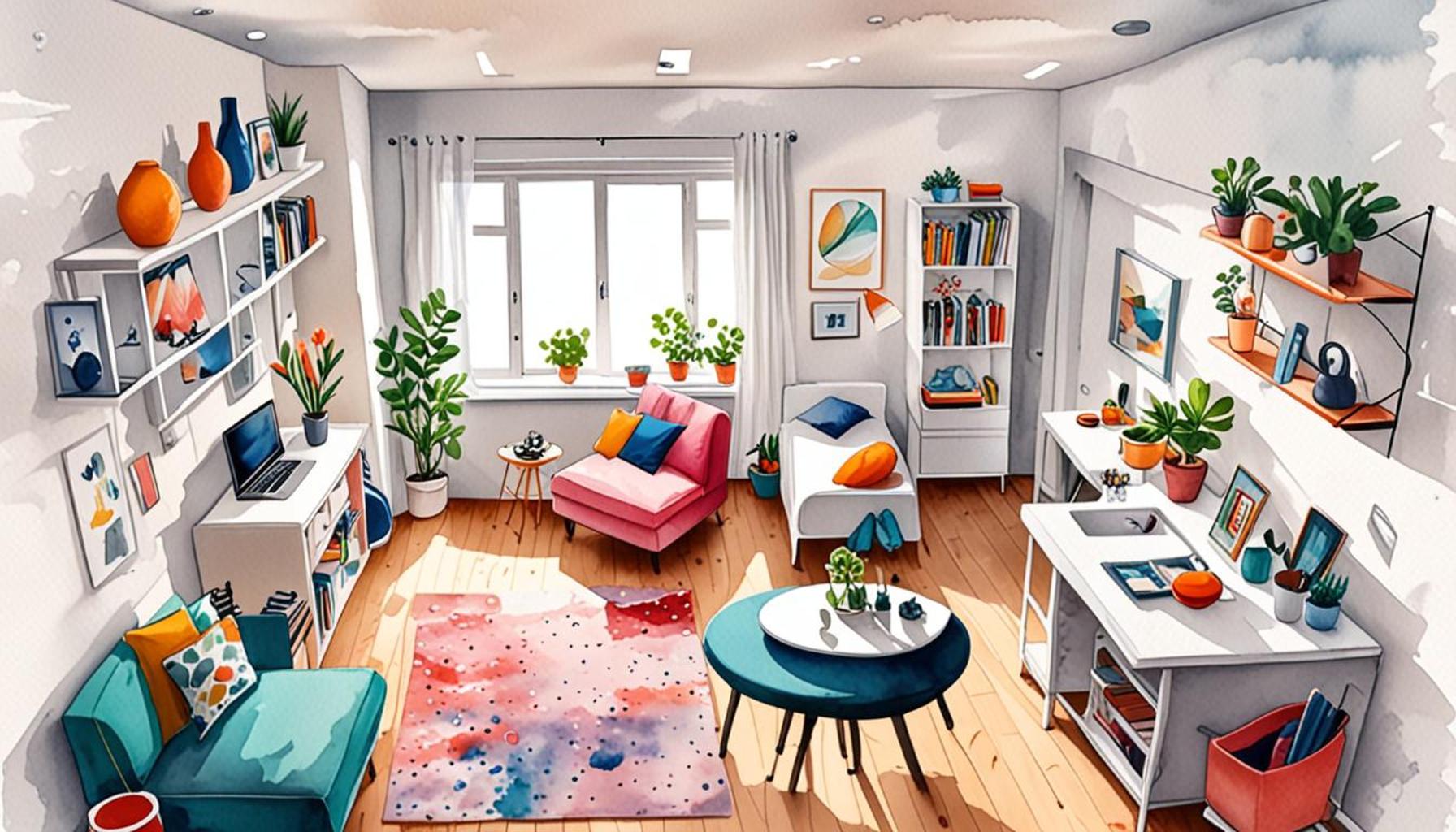
Nomadic Lifestyle: How Spatial Efficiency and Minimalism Facilitate Life on the Move
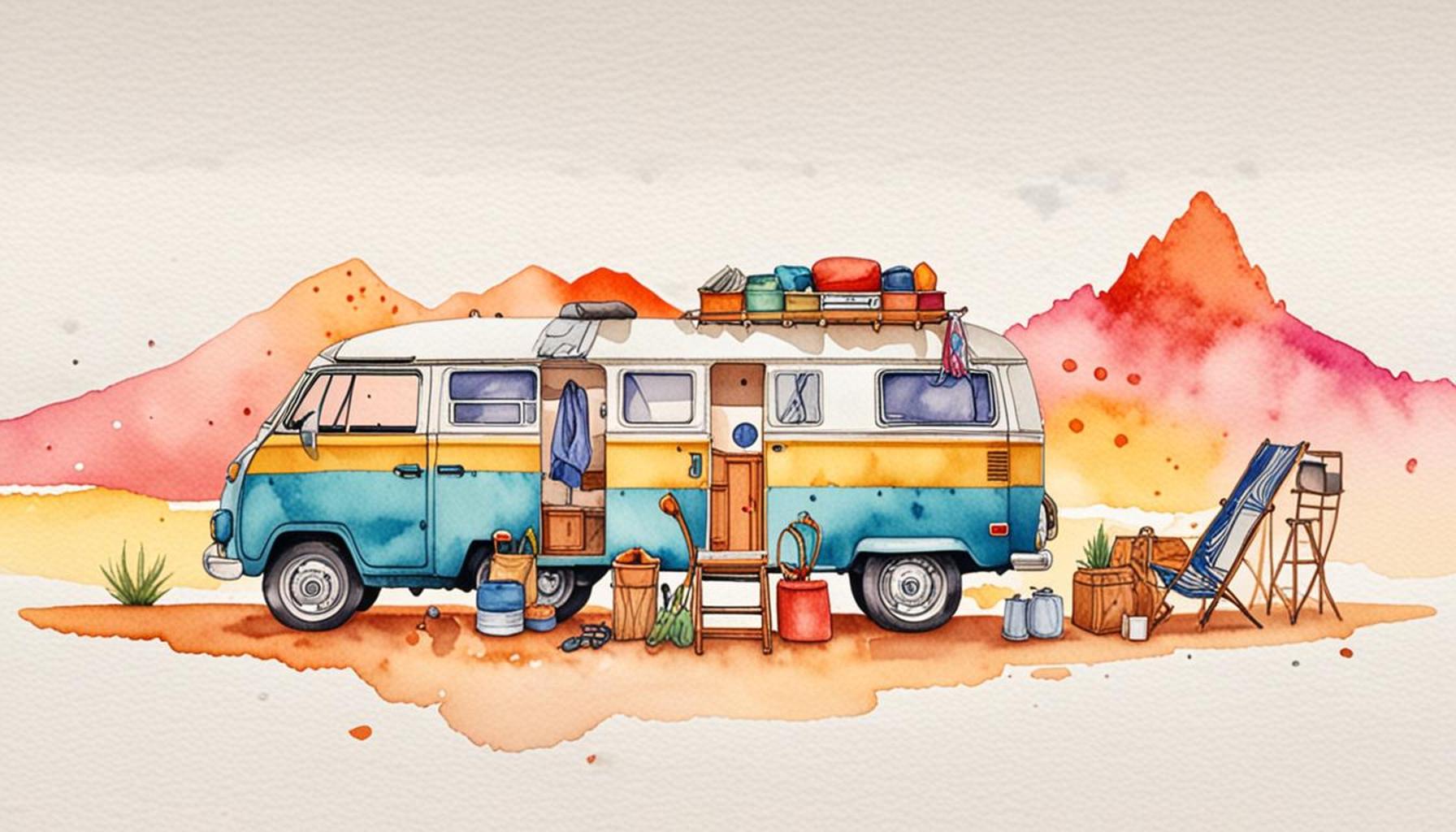
The Allure of a Dynamic Lifestyle
As modern technology continues to bridge distances and foster global connectivity, an increasing number of individuals are gravitating towards a nomadic lifestyle. This mode of living speaks to those yearning for freedom from conventional routines, offering flexibility and the promise of adventure. But what does it take to effectively navigate life on the move while still nurturing a sense of home? The answer lies in understanding the nuances of adaptability and intentional living.
At the foundation of the nomadic lifestyle are the principles of spatial efficiency and minimalism. These concepts equip nomads to flourish amidst diverse environments, often within confined spaces. By stripping away excess and focusing on what truly matters, individuals can enjoy rich experiences without the burden of numerous possessions. Here are some key features that exemplify this approach:
- Adaptive living spaces: Many nomads turn to small RVs, vans, or even tiny houses designed to be mobile. For example, converting a minivan into a cozy living space with a foldable bed and kitchen supplies makes it feasible to travel across states while feeling at home.
- Smart organization: Employing creative storage solutions is vital for compact living. For instance, using under-bed drawers or over-the-door organizers allows travelers to maximize every inch of space, ensuring that everything is easily accessible without clutter.
- Essentials focus: Nomads often prioritize experiences over possessions, choosing to accumulate memories rather than material goods. This perspective is evident in how many adventurous individuals embark on cross-country road trips, opting for scenic vistas and local cuisine instead of shopping sprees.
This minimalist approach not only fosters a fulfilling life but also deepens the connection with one’s surroundings. Whether exploring the vibrant streets of New Orleans or immersing oneself in the majestic landscapes of the Rocky Mountains, the essence of an efficient living arrangement becomes vital to enjoying every moment.
In the upcoming sections, we will delve into indispensable strategies that help sustain the nomadic way of life. Uncover how principles like spatial efficiency and minimalism can revolutionize your handling of everyday challenges while you embrace the freedom of life on the road. Through systematic planning and a mindful attitude, anyone can learn to navigate this exciting, dynamic lifestyle while enjoying the journey and the places it leads them.
DISCOVER MORE: Click here for essential minimalism tips
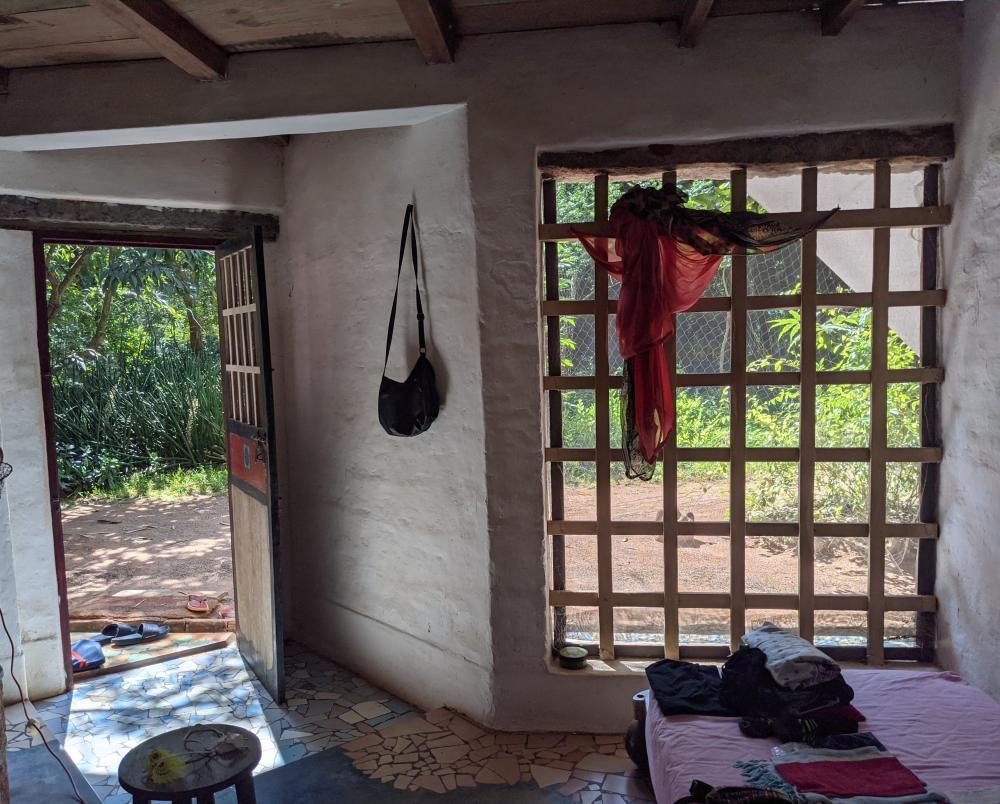
Embracing Minimalism: The Cornerstone of Nomadic Living
At the heart of the nomadic lifestyle lies a profound commitment to minimalism, a philosophy that invites individuals to reevaluate their relationship with possessions and prioritize experiences over things. In a world increasingly dominated by consumerism, the decision to adopt a minimalist approach may seem daunting, yet it serves as a powerful catalyst for freedom and exploration. By consciously reducing material belongings, nomads can enhance their mobility and create enriching experiences wherever the road takes them.
One of the primary benefits of minimalism in the context of nomadic living is its ability to foster clarity and focus. With fewer possessions, individuals are less distracted by the physical clutter that often inundates living spaces. This newfound freedom allows nomads to redirect their energy toward discovering new places, meeting diverse individuals, and engaging in transformative experiences. This mental clarity is often articulated by nomadic enthusiasts who emphasize that traveling light enables a connection to the world that is both refreshing and invigorating.
But how can one effectively transition to a minimalist lifestyle while navigating life on the move? Here are some practical strategies that resonate deeply with those who embrace this way of living:
- Declutter purposefully: Begin by assessing your belongings and determining what items truly bring value to your life. This process often involves asking tough questions about each item’s utility and sentimental worth, allowing individuals to let go of possessions that no longer serve them.
- Invest in multipurpose essentials: Look for items that serve multiple functions, such as a collapsible cooking set or a convertible backpack that can change into a daypack. These versatile tools help reduce the overall volume of belongings, maintaining a streamlined lifestyle.
- Practice intentional purchasing: Adopt a mindful approach to acquiring new items. Consider the impact on your mobility before making a purchase; will this item enhance your experiences or simply add to the load? By being deliberate with purchases, nomads can sustain their minimalist ethos over time.
Understanding the interplay between minimalism and spatial efficiency is crucial for anyone pursuing a nomadic lifestyle. It’s not just about owning fewer things; it’s about maximizing what remains. Many nomads find creative ways to transform small living quarters into comfortable sanctuaries through efficient layouts and thoughtful organization. By employing these strategies, individuals can navigate life on the move without sacrificing comfort or personal expression.
As the journey unfolds, learning to embrace minimalism opens up new avenues for personal growth and connection with others. Whether it’s inviting fellow travelers to join around a simple campfire meal or enjoying a breathtaking sunset with nothing but the essentials at hand, the essence of a nomadic lifestyle shines through when possessions take a back seat to adventure.
In the following sections, we will delve deeper into the innovative solutions that enhance spatial efficiency on the go and illuminate how these strategies contribute to a more fulfilling and liberated way of living. From creative storage hacks to mobility techniques, these insights will empower individuals to embark on their own nomadic journeys with confidence and intention.
| Category | Description |
|---|---|
| Spatial Efficiency | Maximizing living space through smart design. |
| Minimalism | Focusing on essentials to enhance mobility. |
| Flexibility | Adapting quickly to new environments and lifestyles. |
| Simplicity | Reducing clutter to lower stress and increase focus. |
In exploring the nomadic lifestyle, spatial efficiency shines as a pivotal theme, allowing individuals to maximize their living space through smart, innovative design solutions. This approach not only accommodates the frequent transitions between diverse environments but also makes small spaces feel larger and more functional—critical for the modern wanderer.On the other hand, minimalism embraces a philosophy that promotes valuing possessions that truly matter. This focused mindset enables nomads to travel light and reduce the burden of excess, enhancing mobility and inviting experiences over things. By stripping down to essentials, nomads find themselves liberated from material attachments, fostering a lifestyle centered on discovery and connection with the world.The flexibility and adaptability inherent in a minimalist, nomadic lifestyle offer additional benefits. Moving from one region to another can be seamless with less to manage and organize, allowing for a fluid transition into new cultures and experiences. Finally, the principle of simplicity encourages decluttering not just physical spaces but also mental ones, cultivating a serene environment conducive to creativity and mindfulness amidst the chaos of travel.
DIVE DEEPER: Click here for practical tips
Maximizing Space: Creative Solutions for Nomadic Living
In the realm of the nomadic lifestyle, spatial efficiency transcends simple organization; it transforms how individuals interact with their environment. As nomads venture from place to place, the ability to utilize limited space efficiently becomes paramount. This challenge can be met with innovative solutions that not only enhance living conditions but also preserve the minimalist ethos.
One prominent strategy involves vertical storage. By taking advantage of wall space, nomads can free up floor areas crucial for movement. Hanging organizers, magnetic strips for tools, and wall-mounted shelves can create additional storage without crowding. For example, many van dwellers use vertical designs for their kitchen setups, installing spice racks that double as decor to keep items accessible yet out of the way.
Another effective method is the use of modular furniture. Furniture that can be disassembled or adjusted not only provides flexibility but fosters a dynamic living space responsive to varied needs. For instance, a foldable dining table can transform into a workspace, and convertible seating can adapt to a couple of lounging arrangements, accommodating everything from hosting friends to enjoying solitude. Modular designs often resonate with nomads and encourage a sense of adaptability in their living spaces.
Furthermore, space-saving solutions extend to technological innovations. The rise of compact appliances designed specifically for on-the-go lifestyles empowers nomads to maintain comfort without sacrificing valuable space. Multi-functional devices, such as a blender that also functions as a food processor or a portable projector that can stream movies connected wirelessly to any device, can greatly enhance life on the move. These kinds of innovative gadgets ensure that convenience remains intact while maximizing spatial efficiency.
Beyond physical items, the organization can be strategically approached through digital solutions. Utilizing cloud storage for important documents and files replaces the necessity for physical copies, helping to eliminate clutter. Nomads often turn to apps and online platforms to manage their schedules, financial records, and travel itineraries, facilitating a seamless balance between work and travel. These digital tools not only save space but also offer peace of mind, allowing individuals to focus on their experiences rather than their paperwork.
Moreover, embracing a multi-location lifestyle can be incredibly rewarding. As individuals navigate various locales, they often cultivate relationships with fellow nomads and locals alike, creating a supportive network. Through co-living spaces or temporary housing arrangements, individuals can share not just living quarters but also knowledge about space optimization and living effectively with limited possessions. These shared experiences promote a sense of community, transforming the challenges of nomadic living into opportunities for shared learning.
Ultimately, the intersection of minimalism and spatial efficiency inspires a way of living that champions freedom, adaptability, and creativity. By incorporating innovative storage solutions, enjoying modular furniture, harnessing technology, and engaging with fellow nomads, individuals can navigate their journeys with an inspired sense of purpose, surrounding themselves with simplicity and functionality. The journey of minimizing possessions doesn’t merely create space; it cultivates a lifestyle filled with rich experiences that extend far beyond their physical reaches.
DISCOVER MORE: Click here for practical tips on managing clutter
Embracing Freedom through Minimalism
In summary, the nomadic lifestyle presents a unique blend of adventure and practicality, where spatial efficiency and minimalism play crucial roles in enhancing quality of life on the move. As individuals adapt to a transient existence, the clever use of space transforms limitations into creative opportunities. From utilizing vertical storage to investing in modular furniture and embracing technological innovations, nomads learn to prioritize what genuinely matters, resulting in liberating experiences beyond mere physical belongings.
The emphasis on simplicity not only fosters adaptability but cultivates a deeper connection with surroundings and communities encountered along the way. As more people opt for lives defined by exploration—whether in camper vans, co-living spaces, or temporary home bases—the shared wisdom of effective spatial management emerges as an invaluable resource. This growing community offers insights on maximizing living conditions while underscoring the importance of emotional fulfillment over material possession.
Ultimately, the journey of embracing a nomadic lifestyle underscores a core principle: life is enriched not by what one owns, but by the experiences one gathers. For those intrigued by exploring this path, the opportunities are vast and compelling. Delving into space-savvy solutions and minimalist living opens a world of possibility where individuals can craft their stories one destination at a time, inviting readers to consider how they might reshape their lives by making room for adventure.