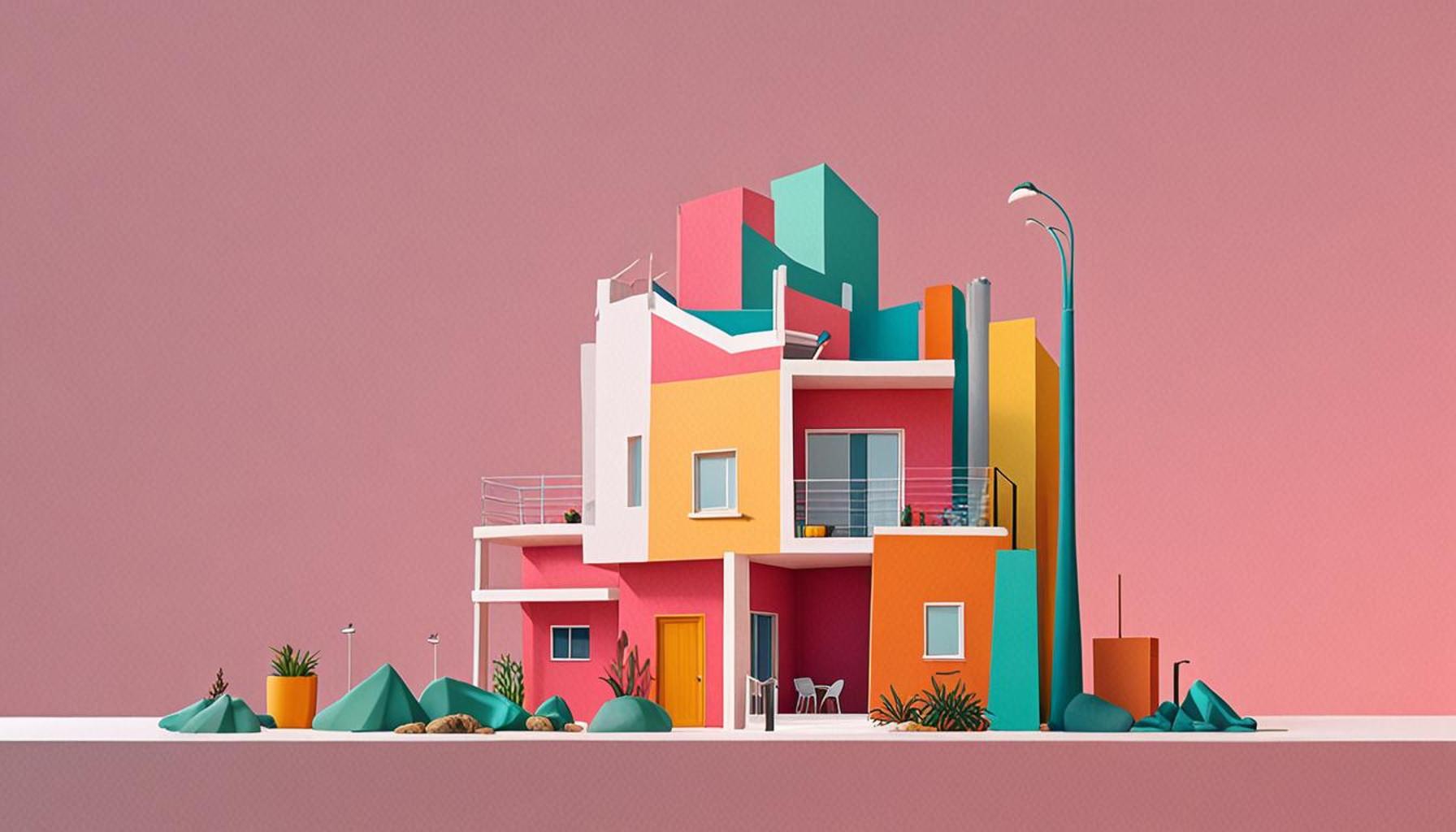
Transforming Common Spaces into Living Areas: The Importance of Spatial Efficiency in Shared Environments
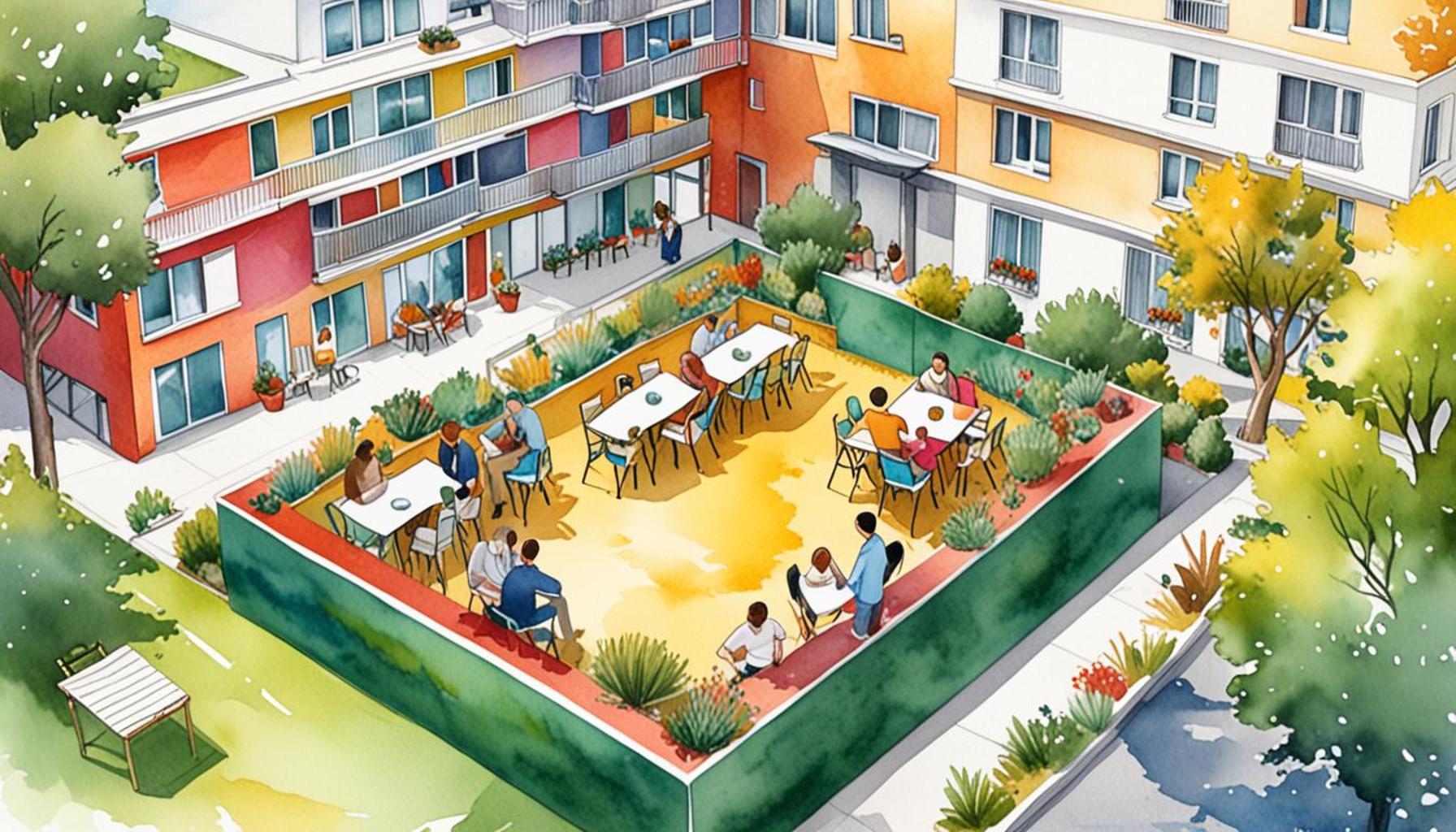
Understanding the Vital Role of Shared Spaces
In urban landscapes, where land is at a premium, the challenge of maximizing limited space is more relevant than ever. As cities grow and shift towards communal living arrangements, common spaces play a pivotal role in how residents connect, socialize, and thrive. The transformation of these areas isn’t merely about aesthetics; it’s a critical endeavor aimed at enhancing the quality of life while fostering a sense of community among diverse populations.
One of the foremost considerations in designing shared environments is the necessity to accommodate a wide range of activities. These spaces must cater to families, young professionals, students, and the elderly alike. For instance, a community center could transform from a traditional meeting hall into an adaptable space featuring zones for coworking, art classes, yoga sessions, and community dinners. This fluidity encourages interaction and enriches the community’s social fabric.
Moreover, embracing spatial efficiency is essential for promoting mental well-being. Research indicates that well-designed environments can reduce stress and enhance comfort for residents. Green spaces, for example, have been linked to improved mental health outcomes. Parks or rooftop gardens can serve as urban oases, allowing residents a place to unwind while engaging with neighbors in a natural setting, ultimately enhancing their quality of life.
Additionally, applying smart design principles can result in significant cost savings while increasing the overall utility of shared spaces. This could include features such as multifunctional furniture that adapts to different activities or sustainable energy solutions that lower operational costs. Strategically placed communal amenities, such as barbecues or fire pits, can encourage gatherings and foster camaraderie among neighbors.
Studies consistently show that effective spatial management leads to:
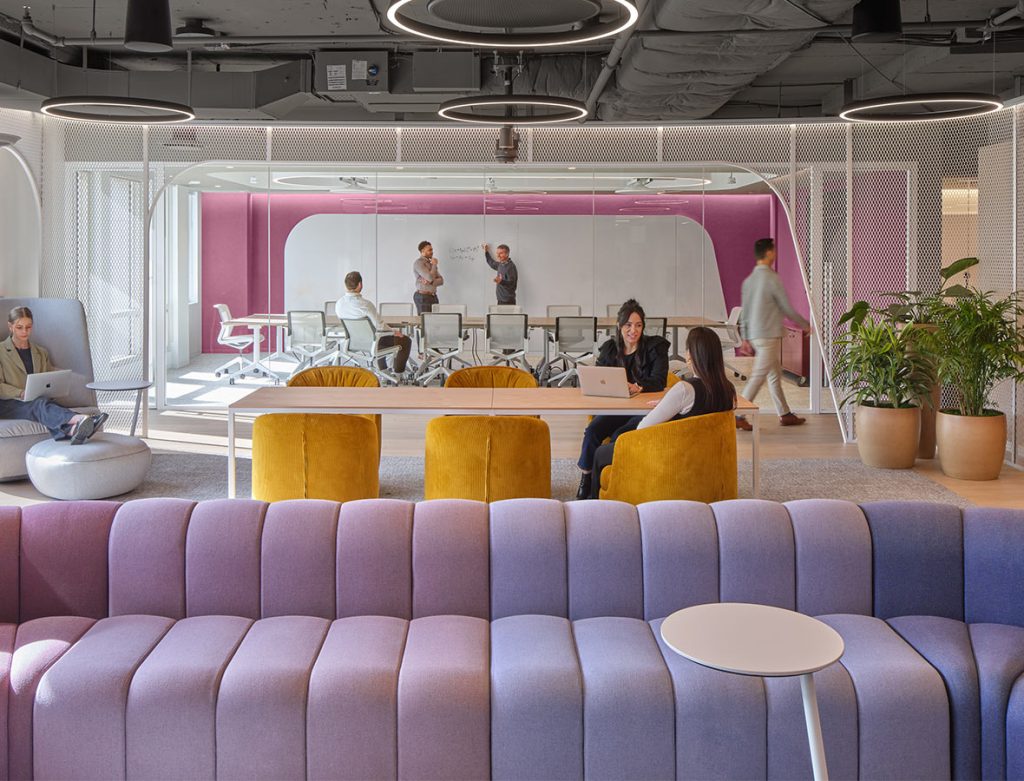
- Increased interaction among residents, contributing to stronger community bonds.
- Heightened creativity and productivity, especially in environments that are designed for collaboration.
- A sense of ownership and belonging, as individuals feel more connected to spaces that reflect their needs and identities.
As urban centers continue to evolve, the importance of understanding spatial efficiency in shared environments is imperative. By innovating our communal spaces, we aim to create more than just functional areas; we endeavor to develop hubs that resonate with a community’s unique identity and spirit. For example, the trend of neighborhood pop-up markets showcases how flexible use of space can bolster local economies and encourage social engagement.
In the following sections, we will delve into practical strategies for transforming common areas into cozy, versatile living spaces that cater to contemporary needs while simultaneously inspiring connection among residents. Prepare to rethink your perception of your environment and uncover the latent potential that resides within these communal areas.
DISCOVER MORE: Click here to learn how saying no can boost your productivity
Reimagining Common Spaces: The Key to Vibrant Communities
In a world where the definition of home and community is evolving, transforming common spaces into vibrant living areas has become a necessity rather than a luxury. With population density continuing to rise, especially in urban centers across the United States, successfully redesigning these shared environments can significantly impact social dynamics. A well-considered common area not only serves functional purposes but also acts as a catalyst for community spirit, inviting interaction and fostering relationships among diverse groups.
The essence of spatial efficiency lies in understanding how to make the best use of every square foot available. Common spaces like parks, community centers, and courtyards can be elevated by incorporating aspects that reflect the needs of the community. For example, a previously underused gazebo can be transformed into a stage for performances or movies, creating a hub for entertainment and social gatherings. With thoughtful planning, common areas can transition from passive spaces to active locales that encourage residents to engage with their surroundings, ultimately nurturing a stronger sense of belonging.
Furthermore, a pivotal element in the success of these transformations is the concept of multifunctionality. Common spaces should serve multiple purposes to accommodate various activities seamlessly. For instance, a gymnasium can also host farmer’s markets, workshops, or yoga classes on weekends. This versatility not only maximizes utility but also brings economic benefits—by minimizing the need for specialized spaces, maintenance costs can be lowered, allowing funds to be redirected toward community improvement projects.
Research conducted by the Urban Land Institute reveals fascinating insights: communities that embrace spatial efficiency experience heightened levels of resident engagement. The report highlighted the following benefits:
- Simplified Access: Well-planned spaces promote ease of access for all age groups, enhancing overall total use.
- Increased Community Engagement: When common areas offer multifunctional designs, residents are more likely to utilize them for diverse activities.
- Enhanced Economic Activity: Vibrant common spaces attract local businesses, creating economic opportunities and fostering local pride.
The effects of these transformations can be observed in numerous cities across the U.S. Consider the revitalization of public parks in cities like Detroit, where formerly neglected areas have been turned into dynamic communal hubs that host art fairs, food festivals, and outdoor sports. Such examples demonstrate the untapped potential that lies within our shared environments, waiting to be unlocked through innovative design.
As we move forward, engaging local communities in the transformation process is crucial. Encouraging residents to participate in design decisions ensures that the newly created living areas resonate with their aspirations and values. By harnessing the collective input of community members, urban planners can create shared spaces that reflect the diverse tapestry of society, resulting in richer experiences for everyone involved.
Innovative Design Strategies for Maximizing Spatial Efficiency
In the quest for transforming common spaces into living areas, the importance of spatial efficiency emerges as a cornerstone of modern design. Architects and designers are now focusing on innovative approaches that cater to various lifestyles while maximizing functionality within limited square footage. One of the most effective strategies is the integration of multifunctional furniture. Items such as foldable tables, Murphy beds, and convertible sofas serve a dual purpose, allowing residents to adapt their spaces based on their immediate needs. Moreover, the use of modular design principles provides flexibility and adaptability to evolving needs. By employing modular units, shared environments can easily reconfigure without the need for extensive renovations, thus saving both time and resources. This not only enhances the usability of the space but also promotes a sense of community as these adaptable areas can accommodate various group activities, social gatherings, and peaceful retreats.Additionally, effective storage solutions are crucial in these environments. Utilizing vertical space with wall-mounted shelves and built-in cabinets can drastically reduce clutter while enhancing the overall aesthetic appeal. Incorporating underutilized areas, such as under stairs or corners, for storage plays a significant role in spatial efficiency. Implementing these strategies in the design of shared environments ensures that residents enjoy comfortable, functional, and versatile spaces that foster collaboration and connectivity, paving the way for an enriched communal living experience.
| Space Efficiency Strategies | Benefits |
|---|---|
| Multifunctional Furniture | Versatile use of space, accommodating various activities without overcrowding. |
| Modular Design | Flexible configurations allowing for easy adaptation to changing needs and group sizes. |
| Optimized Storage | Reduced clutter enhances aesthetic appeal and usability. |
DISCOVER MORE: Click here for practical storage ideas
Designing with Diversity in Mind: Inclusive Spaces for All
In reimagining common spaces, it’s essential to consider the diverse needs of the community. Inclusive design goes beyond aesthetics; it ensures that these shared environments are accessible and welcoming to everyone, including families with children, the elderly, and individuals with disabilities. For instance, parks that feature universally designed playgrounds, walking paths, and seating areas not only invite leisure but also promote social interaction across different age groups and backgrounds.
Advancements in technology can also play a critical role in improving spatial efficiency in these environments. Digital platforms can facilitate community engagement by allowing residents to voice their preferences and ideas regarding the use of shared spaces. Applications that showcase upcoming events, offer feedback surveys, or provide information about space usage can create a more dynamic approach to community involvement. For example, cities like San Francisco have utilized an interactive mapping tool to gather resident input on local park improvements, leading to enhancements that reflect the desires of the community.
As cities continue to grapple with the challenges of urbanization, the integration of green spaces in common areas becomes even more critical. Not only do green spaces improve aesthetic appeal, but they also contribute significantly to mental well-being and the overall quality of life for residents. Studies indicate that access to nature has a positive impact on reducing stress and fostering social connections. Community gardens, for example, not only offer a source of fresh produce but also provide a gathering point for residents to collaborate, learn, and share resources.
Moreover, creating spaces that support local entrepreneurship is vital for economic sustainability. By transforming underutilized areas into vibrant marketplaces, communities can invigorate local economies. An example can be seen in the redevelopment of the Smorgasburg food market in Brooklyn, New York. This weekly event brings together a diverse group of food vendors and attracts thousands of visitors, showcasing how common spaces can serve as incubators for small businesses while providing a lively atmosphere for community engagement.
In addition to commercial opportunities, the integration of educational programs in these common spaces can have far-reaching effects. Initiatives such as after-school tutoring, environmental workshops, and arts classes can transform community centers into critical hubs of learning. The Harvard Graduate School of Design highlights how multi-use community spaces have led to increased educational engagement, underscoring the potential for common areas to enrich individual lives and the community at large.
As we envision the future of our communal environments, it’s crucial to acknowledge that every community is unique, with its own set of challenges and opportunities. Tailoring approaches to reflect local history, culture, and demographics will help foster a sense of pride and ownership among residents. Innovative design coupled with inclusive practices will not only enhance spatial efficiency but will ultimately allow these common spaces to blossom into true living areas that assist in forging resilient communities.
DISCOVER MORE: Click here to learn how conscious consumption can elevate your minimalist lifestyle
Rethinking Our Shared Environments: A Vision for the Future
As we navigate the complexities of urban living, the transformation of common spaces into vibrant living areas is more crucial than ever. The emphasis on spatial efficiency not only enhances the practicality of these shared environments but also enriches the quality of life for all residents. By embracing inclusive design practices, communities can ensure that these spaces cater to diverse needs, inviting participation from every demographic.
The integration of technology in managing and engaging with these spaces offers a pathway for real-time feedback and continuous improvement. This approach fosters a sense of belonging and ownership among residents, creating a community where each voice contributes to the shared experience. Additionally, the cultivation of green spaces and local markets facilitates connections that promote mental well-being and economic vitality, establishing common areas as true hubs of collaboration.
Ultimately, the fusion of multifunctional design, community engagement, and educational opportunities not only transforms underused areas but also lays the groundwork for resilient neighborhoods. As cities strive to balance urban growth with sustainability, an intentional focus on creating inclusive, efficient, and adaptable shared spaces is essential. Such efforts will redefine the essence of community living, paving the way for future generations to thrive in welcoming, dynamic environments. It is time to envision a future where our common spaces evolve into living extensions of our homes—places that foster interaction, creativity, and shared growth.