How Spatial Efficiency Can Transform Small Apartments into Functional Minimalist Homes

Transforming Small Spaces
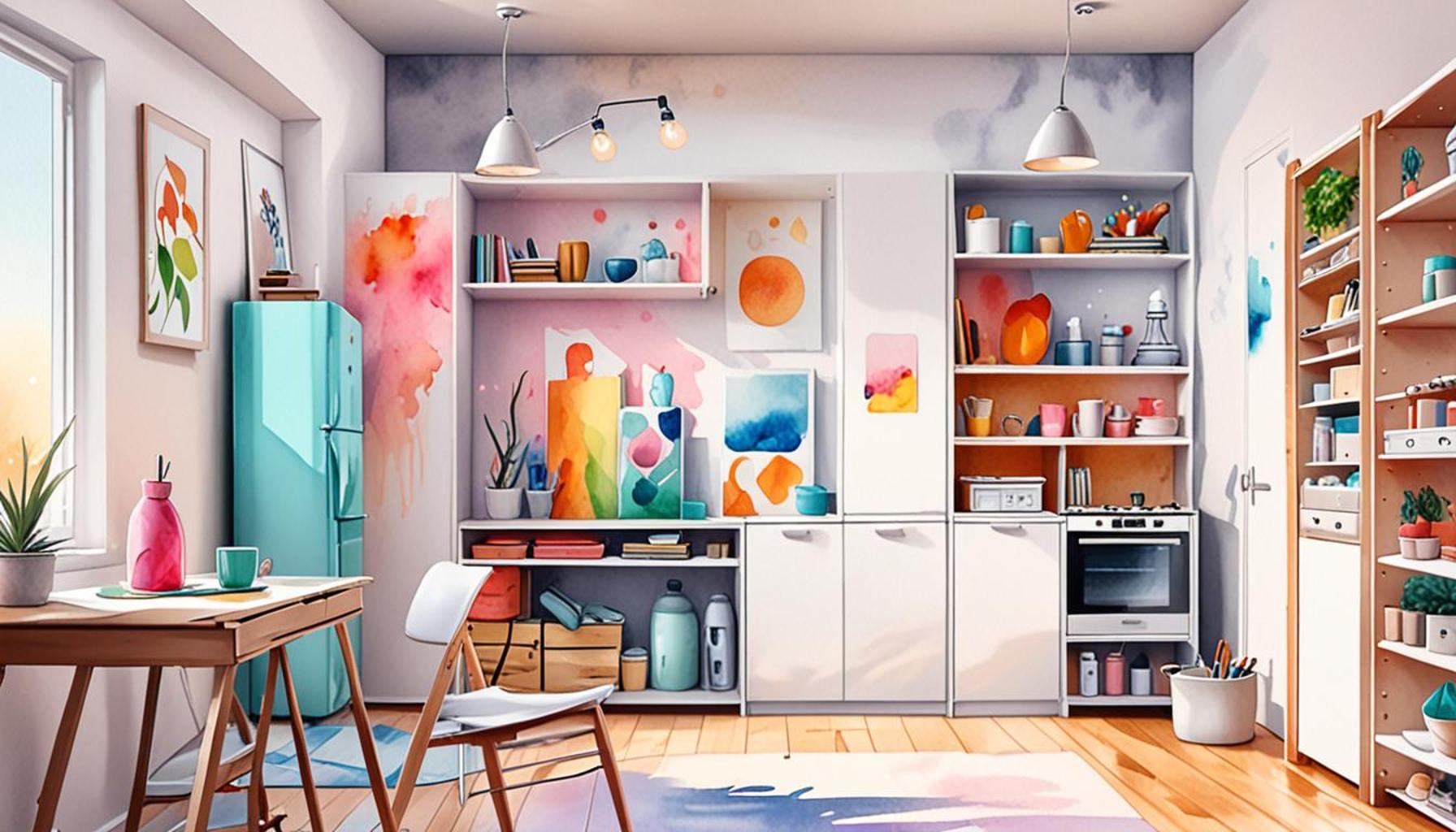
In today’s urban landscape, the demand for small apartments is surging. As living spaces shrink, the concept of spatial efficiency becomes crucial. Maximizing every inch of a home can lead to a transformation into a functional and aesthetically pleasing minimalist haven.
Why Spatial Efficiency Matters
Small apartments often face the challenge of becoming cluttered and unmanageable. However, with strategic planning and design, these spaces can be transformed effectively. The key to unlocking the potential of these compact dwellings lies in understanding the importance of spatial efficiency. Consider these benefits:
- Improved Organization: Smart storage solutions can keep items neatly tucked away. For instance, utilizing under-bed storage containers or vertical shelving can dramatically increase storage capacity without overwhelming the visual aesthetic of a room. Hooks, pegboards, and multifunctional furniture that incorporates storage, such as ottomans and beds with drawers, can also play a pivotal role in achieving an organized appearance.
- Enhanced Aesthetics: A minimalist approach emphasizes simplicity and beauty. By selecting a cohesive color palette and incorporating natural light through the strategic placement of mirrors, one can create an illusion of a larger space. Simplifying decor by choosing a few statement pieces rather than many smaller ones can also create a more polished look.
- Increased Functionality: Every element serves a purpose, reducing unnecessary distractions. For example, a fold-out desk can accommodate work needs in a stylish way and be tucked away when not in use, often allowing the room to serve multiple functions seamlessly, whether for work, relaxation, or entertaining.
Utilizing techniques such as multifunctional furniture, clever storage systems, and open layouts can create an inviting atmosphere. This strategic approach fosters creativity and flexibility, allowing residents to adapt their space easily. In urban environments like New York City, where square footage is at a premium, these strategies are not just beneficial; they are essential for comfortable living.
Minimalism and Practical Living
Embracing minimalism means more than just decluttering. It promotes a lifestyle that values quality over quantity. In small apartments, this philosophy can transform how residents interact with their environment, ultimately leading to a more enjoyable living experience. For example, owning fewer but higher-quality items encourages thoughtful purchasing and reduces the mental load associated with clutter.
Furthermore, many urbanites have begun to adopt this mindset, recognizing the freedom that comes with a simplified lifestyle. By prioritizing experiences over possessions, individuals can enhance their well-being while making the most out of their small living quarters. As they learn to navigate their environments with intention, the gains extend beyond mere decoration; they lead to a refreshing approach to life itself, melding function and form beautifully.
In conclusion, transforming small spaces into havens of efficiency not only provides immediate benefits in terms of organization and aesthetics but also cultivates a lifestyle that embraces simplicity and intentionality. By investing time in planning and design, anyone can experience the joys of living in a well-ordered, minimalist environment.
DIVE DEEPER: Click here to learn more
Maximizing Every Inch: Strategies for Spatial Efficiency
Designing a small apartment with spatial efficiency in mind can dramatically alter the functionality and livability of the space. The challenge is not merely about fitting everything in, but rather creating an environment that feels open, inviting, and versatile. By implementing a mix of intelligent design techniques, residents can enjoy a fluid living experience that seamlessly accommodates modern life.
Smart Furniture Choices
One of the cornerstones of spatial efficiency in small apartments is the use of multifunctional furniture. This innovation allows a single piece of furniture to serve multiple purposes, optimizing every square foot. For example, a sofa bed can transform a cozy living area into a guest bedroom without the need for additional space. Other popular options include:
- Expandable dining tables: Ideal for entertaining guests, these tables can be extended when needed and minimized to save space when not in use.
- Storage ottomans: Functioning as both seating and a storage solution, these versatile pieces keep items out of sight while providing practical uses.
- Wall-mounted desks: Folding down when necessary, wall-mounted desks can be stowed away, freeing valuable floor space for other activities.
These innovative solutions not only maximize functionality but also contribute to a decluttered aesthetic, reinforcing the minimalist philosophy. Choosing furniture pieces that align with this vision becomes crucial, as they pave the way for a harmonious living environment.
Creative Storage Solutions
No discussion on spatial efficiency is complete without considering effective storage strategies. Small apartments often lack abundant closet space, making creative solutions imperative. Incorporating vertical storage, such as tall bookshelves or wall units, can draw the eye upward and create the illusion of higher ceilings, which is particularly beneficial in urban settings where space is at a premium.
Utilizing hidden storage options also plays a vital role. For instance, under-stair compartments or hidden cabinets can serve as discreet areas for stashing belongings. Employing furniture with built-in storage, such as beds with drawers, can further maximize the space. Here are some additional tips for boosting storage potential:
- Use the space above doorways: Install shelving or decorative racks to keep items off the floor.
- Implement hooks and pegboards: In areas like the kitchen or entryway, these can help organize essentials while adding visual interest.
- Consider seasonal storage: Rotate out clothing and decor seasonally and store the off-season items in vacuum-sealed bags under the bed or in the closet.
By creating tailored storage solutions, small apartment dwellers can maintain a tidy and orderly space that emphasizes minimalist living. The goal is not just to store items but to curate a living space that reflects personal style while enhancing functionality.
In summary, the journey to transforming small apartments begins with conscious choices in furniture and storage solutions. By maximizing spatial efficiency, residents can experience a clearer, more streamlined lifestyle, unlocking the transformative potential of their homes.
Understanding Spatial Efficiency in Design
In today’s fast-paced urban lifestyle, spatial efficiency emerges as a crucial component in maximizing functionality within small apartments. This design philosophy encourages the smart use of available space, ensuring you can live comfortably without feeling cramped. By prioritizing minimalism, homeowners can create a serene atmosphere that promotes well-being.
Implementing clever storage solutions is one of the primary strategies to achieve spatial efficiency. Consider incorporating multi-functional furniture that serves several purposes, such as a sofa bed or an extendable dining table. This reduces clutter and increases usability, allowing for comfortable living without the excess.
Additionally, creating open floor plans can significantly enhance the perceived size of an apartment. By removing unnecessary walls, light can flow freely, making the space feel airy and more expansive. A well-thought-out layout allows residents to maximize every inch of their dwelling, creating designated zones for sleeping, working, and relaxing while maintaining a feeling of openness and freedom.
Furthermore, incorporating vertical storage solutions like shelving and cabinets can draw the eye upwards, making the room feel taller and more spacious. These features are particularly effective in small areas where floor space is limited. They allow you to store your belongings efficiently while keeping your living space orderly and minimalist.
As you consider your own apartment’s layout, remember that enhancing spatial efficiency not only makes your living area functional but can also transform your lifestyle, promoting a sense of peace and organization in your home.
| Advantages | Description |
|---|---|
| Enhanced Functionality | Utilizing space effectively improves overall living quality and usability. |
| Minimalist Aesthetic | Embracing simplicity creates a calm and organized environment. |
To explore further how spatial efficiency can redefine small living spaces, consider visiting interior design platforms or consulting with experts who specialize in small space optimization.
DIVE DEEPER: Click here for tips on boosting your daily productivity
Designing for Flexibility: Zones and Flow
Another critical aspect of achieving spatial efficiency in small apartments is the art of zoning. The goal is to delineate spaces for different activities while maintaining a sense of continuity throughout the home. By creating designated zones, residents can enhance both functionality and comfort, all within a limited footprint.
Open Concept Layouts
An open concept layout, where the kitchen, dining, and living areas share a single space, is a popular choice for maximizing usability in smaller apartments. This design not only fosters a social atmosphere but also allows for flexible arrangements of furniture that can be tailored to various needs. By utilizing furniture arrangement to create visual boundaries, such as placing a sofa perpendicular to the dining area, homeowners can craft distinct yet cohesive zones. This technique encourages a natural flow between different activities while eliminating the feeling of confinement.
Additionally, the use of colors and materials can play a vital role in defining spaces. For example, varying paint colors or using different flooring styles can signify transitions between zones without obstructing sightlines. An inviting palette of light colors can also enhance the perception of space, making the entire area feel larger and more open.
Transformative Spaces
Integrating elements that serve dual purposes can further augment flexibility. For instance, a dining table can double as a work desk, facilitating transitions between meal prep and productivity without requiring separate rooms. Similarly, a Murphy bed can convert a bedroom into an office or recreational space during the day. These transformative spaces maximize efficiency, allowing residents to adapt their environments to their changing daily lives.
To enhance the flexibility of these multifunctional areas, consider implementing movable partitions or screens. These can be easily adjusted to create privacy or open up the space as needed. Consider using stylish folding doors or textiles like curtains to separate a sleeping area from a living area, which provides the benefits of reduced noise and adds an element of design flair.
Embracing Minimalism with Multi-Use Items
In a minimalist approach, the focus is on keeping only essentials and items that bring joy. Transitioning to a minimalist lifestyle in a small apartment means choosing each piece of furniture and decor carefully. The philosophy centers on quality over quantity, ensuring that furniture serves multiple purposes. For example, a small side table can double as a nightstand or be moved to accommodate guests when entertaining.
Moreover, opting for a limited color palette and streamlined decor enhances the feeling of spaciousness. Using minimalist design principles allows residents to put less emphasis on physical possessions while adhering to a more thoughtful approach to living. Furniture and items that foster serenity and functionality can notably contribute to the overall effectiveness of small spaces, setting the tone for both an efficient and aesthetically pleasing home.
Incorporating spatial efficiency through zoning, flexible designs, and minimalism not only enhances functionality but also promotes a lifestyle that prioritizes conscious living. By adopting these principles, residents can transform their small apartments into homes that are not only practical but reflective of their personal style and values.
DIVE DEEPER: Click here for essential tips
Conclusion: Embracing Spatial Efficiency for a Better Living Experience
In conclusion, spatial efficiency is not merely a design tactic; it embodies a transformative approach to living in small apartments. By implementing innovative zoning techniques, creating flexible layouts, and embracing a minimalist philosophy, residents can unlock the full potential of their spaces. The emphasis on multifunctional furniture, such as Murphy beds and convertible tables, supports dynamic lifestyles and accommodates the diverse needs of modern living.
Moreover, the integration of light color palettes and thoughtful material choices enhances the visual and emotional experience of spaces, creating a sense of openness that starkly contrasts with traditional cramped living scenarios. This deliberate choice encourages a mindful approach to both design and lifestyle, allowing inhabitants to prioritize what is truly important— both in terms of possessions and daily activities.
As urban living continues to evolve, understanding the principles of spatial efficiency can significantly impact one’s quality of life. For those seeking a harmonious balance between style and function, the insights shared in this article offer a compelling pathway to cultivate a home that is not just livable but also enriching and reflective of personal values. By adopting the strategies discussed, individuals can transform their small apartments into functional minimalist havens, challenging the notion that less means compromising on comfort or style.
As you consider redesigning your space, remember that efficiency paired with intentionality can bring about profound changes, encouraging a lifestyle of simplicity and serenity. This guide serves as a starting point for your journey towards a more fulfilling living environment.