Menu

Transformable Furniture: Exploring Innovations in Design to Maximize Space with Minimalist Style

Explore the innovative world of transformable furniture, where multifunctional designs enhance space efficiency and embrace minimalist style. From adaptable sofas to modular systems, these solutions cater to urban living needs, promoting sustainability and stylish functionality in modern homes, ultimately redefining how we approach contemporary interior design.

The Psychology of Minimalism: How Organized Environments Promote Well-Being and Mental Clarity

Minimalism transforms mental health by promoting organized environments that enhance well-being and mental clarity. Clutter-free spaces reduce stress, improve focus, and boost productivity. Embracing this philosophy encourages intentional living, mindfulness, and emotional resilience, leading to a fulfilling life free from the burdens of excess and distraction.

Mindful Consumption and the Product Life Cycle: The Importance of Ethical and Sustainable Choices

In an age of heightened consumerism, mindful consumption emphasizes the significance of ethical and sustainable choices throughout the product life cycle. By prioritizing responsible sourcing, supporting eco-friendly brands, and engaging in community initiatives, consumers can drive change, promote sustainability, and contribute to a healthier planet and society.

Unveiling the Potential of Vertical Storage: Creative Solutions for Minimalist Spaces

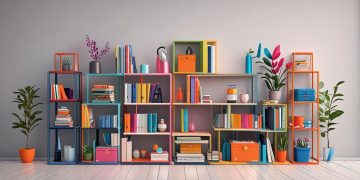
As urban spaces become more compact, innovative vertical storage solutions are essential for maximizing space and organizing minimalist homes. By utilizing walls and vertical dimensions, homeowners can enhance both functionality and aesthetics, creating inviting environments that reflect personal style while promoting efficiency and simplicity in daily living.

Spatial Efficiency in Offices: Creating Minimalist Work Environments that Stimulate Creativity and Collaboration

This article explores the importance of spatial efficiency in office design, highlighting the shift to minimalist environments that enhance creativity and collaboration. By prioritizing functionality and aesthetics, organizations can foster employee engagement and productivity through open layouts, smart technologies, and optimized spaces aligned with modern work dynamics.

Nomadic Lifestyle: How Spatial Efficiency and Minimalism Facilitate Life on the Move

The allure of a nomadic lifestyle attracts those seeking freedom and adventure. By embracing spatial efficiency and minimalism, individuals can maximize their living conditions and focus on meaningful experiences. This dynamic way of life encourages adaptability and fosters deeper connections with diverse environments and communities.

The Influence of Minimalism in Architecture: Projects that Optimize Spaces and Reduce Waste

The article explores the transformative influence of minimalism in architecture, highlighting projects that prioritize space optimization and waste reduction. It examines key characteristics such as open layouts, functional design, and sustainable materials, showcasing innovative examples that harmonize aesthetics with environmental responsibility in contemporary urban landscapes.

Redefining the Concept of Home: How Minimalism Transforms Spaces into Functional Havens

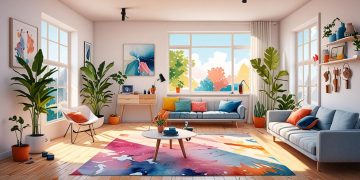
In a world increasingly prioritizing peace and functionality, minimalism transforms homes into functional havens. This intentional approach emphasizes simplicity, creating serene environments that promote mental clarity and emotional connections. By embracing minimalism, individuals enhance their living spaces and cultivate a lifestyle centered around sustainability and meaningful experiences.

Creating Multifunctional Spaces: Smart Storage Solutions for a Minimalist Lifestyle

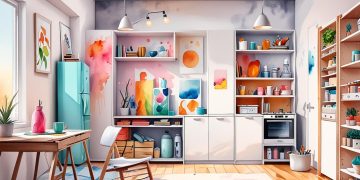
In today's fast-paced world, maximizing functionality through smart storage solutions is essential for cultivating multifunctional spaces. These innovative strategies enhance minimalist living by optimizing every corner, promoting organization, and encouraging a serene atmosphere—ultimately creating versatile environments that reflect personal style while supporting a clutter-free lifestyle.

The Role of Mindful Consumption in Creating Organized and Functional Spaces

In today's consumer-driven world, mindful consumption fosters organized and functional spaces by promoting intentional purchasing habits. This approach reduces clutter, enhances focus, and supports sustainability, ultimately improving mental well-being and creating a sanctuary that reflects our true values and aspirations in a chaotic environment.