Maximize Small Spaces Minimalist Tips for Home Efficiency
Introduction
In today’s fast-paced world, the quest for balance and simplicity has led many to embrace minimalism. This lifestyle encourages individuals to rethink their relationship with possessions, guiding them toward decluttering and essentialism. It is not merely about having fewer things; it’s about valuing the items that add meaning and joy to your life. For those living in small spaces, the challenge is even greater, as maximizing every square inch becomes crucial for comfort and functionality.
Small spaces can easily become overwhelming if not organized efficiently. The principles of minimalism provide valuable insights on how to create harmony and purpose within these environments. By carefully curating belongings and focusing on what truly matters, you can transform your home into an oasis of efficiency and tranquility. This way, every item you own serves a purpose, either practically or emotionally, enhancing your living experience without adding unnecessary stress.
In this article, we will explore the Top 5 tips for optimizing small spaces through minimalist practices. These strategies will not only improve the aesthetic and practical aspects of your home but also promote a sense of serenity and order. Whether it’s a compact downtown apartment or a cozy countryside cabin, applying these minimalist techniques can significantly alter the atmosphere, making sure that your home fosters peace rather than chaos.
Join us as we delve into smart storage solutions, multifunctional furniture, and the art of letting go. This holistic approach to living with less while enjoying more could revolutionize the way you perceive and interact with your living space. We aim to guide you on a journey to discover how minimalist principles can bring clarity to not only your home but also your mind.
Top 5 Strategies for Optimizing Small Spaces: Minimalist Tips to Maximize Home Efficiency
As urban living becomes increasingly dense and real estate prices soar, many individuals find themselves adapting to smaller living spaces. Whether it’s a cozy city apartment, a compact tiny house, or simply a room with limited square footage, the challenge is the same: How can one live comfortably with less space? The answer lies in adopting minimalism, an artful lifestyle choice that emphasizes simplicity and purpose. Let’s delve deeper into five impactful strategies that promote efficiency and serenity in small homes through thoughtful minimalism.
5. Purge and Simplify
At the heart of minimalism is the principle of owning less but living more. The initial, and perhaps most cathartic step in this journey, is to purge unnecessary items. Over time, it’s easy to accumulate goods we rarely use, whether due to sentimentality or simple neglect. Conducting a thorough inventory of your belongings reveals items that no longer serve you. Consider this: If you haven’t used something in the past year, it’s time to question its necessity in your life.
Approach the task systematically to avoid feeling overwhelmed. Tackle one room at a time, equipped with three boxes labeled “Keep,” “Donate,” and “Discard.” This structured approach fosters decisiveness and enables clearer spaces. As extraneous items find new homes or are responsibly disposed of, you’ll experience an invigorating sense of freedom. A decluttered environment not only increases physical space but also liberates mental bandwidth, making room for creativity and calm.
4. Multi-Functional Furniture
In a small home, every piece of furniture must earn its keep. This is where multi-functional furniture shines. Such pieces excel by serving dual purposes, allowing them to perform multiple roles without the clutter of additional furniture. Here’s how you can turn limited space into an asset:
- Sofa Beds: These clever hybrids offer comfortable seating during the day and transform into beds for guests by night, eliminating the need for a dedicated guest room.
- Storage Ottomans: More than just footrests, these offer hidden compartments perfect for stowing away living room essentials like books, blankets, or remote controls, keeping the room tidy.
- Drop-Leaf Tables: Adaptable to your needs, these tables expand for dining or working and shrink down when space must be freed up, making them indispensable in tight dining areas or makeshift dining zones.
The flexible incorporation of such furniture elevates space efficiency, maintaining the minimalistic ethos while offering practical benefits.
3. Vertical Storage Solutions
When horizontal expansion is not an option, look up! Vertical storage solutions ingeniously utilize wall space, creating more room for storage without encroaching on precious floor area. This strategy not only increases your storage capacity but also adds visual depth to your living quarters. Consider the following methods:
- Floating Shelves: These unobtrusive shelves can house books, decorative pieces, or kitchen essentials, turning your walls into functional galleries.
- Over-the-Door Organizers: Transform the back of any door into instant storage for shoes, cleaning supplies, or pantry items, neatly tucked out of sight.
- Hanging Racks: Ideal for kitchens and bedrooms, these racks free up counter space by holding pots, pans, or garments vertically, enhancing accessibility and order.
By thinking vertically, you maximize utility while curating an organized, appealing atmosphere that complements a minimalist lifestyle.
2. Smart Layout Design
An efficient layout is pivotal for optimizing a small space. How furniture is arranged can profoundly affect the usability and flow of a home. Let’s explore thoughtful design principles that enhance functionality:
- Define Zones: Even within small spaces, delineate clear areas for different functions—sleeping, working, and dining. This organizational strategy provides structure and purpose to each area.
- Maintain Adequate Space Between Furniture: Ensure there is a minimum of 30 inches of clearance between items to facilitate easy movement. This space prevents a cramped feel and allows for uninterrupted flow.
- Use Area Rugs: Area rugs subtly demarcate different zones without physical dividers, enhancing visual separation and comfort.
Visualizing your setup with a scale drawing before rearranging can reveal the most effective paths and arrangements for furniture, avoiding unnecessary lifting and moving, and allowing you to plan for maximum comfort and utility.
1. Declutter Regularly
Last but not least is the crucial habit of regular decluttering. By establishing a consistent routine, you prevent clutter from accumulating and keep your living space in peak condition. Set aside a dedicated time each week for a brief but effective tidying session, assessing what items still serve you and which do not.
For those looking for a bit more structure, the 30-Day Declutter Challenge could be the solution. In this challenge, you begin by removing one item on the first day, two on the second, and continue this pattern until, by the end of the month, your home is noticeably freer from clutter’s grasp.
Through this ongoing commitment to simplifying, you maintain the tranquility of your minimalist sanctuary, ensuring it not only supports but enhances your daily life.
In summary, by embracing these strategies, you’re inviting clarity and efficiency into your home. From regular decluttering to smartly chosen furniture and layout designs, each strategy plays a vital role. Embarking on this minimalist path is a journey that continuously evolves, inviting peace, functionality, and a renewed focus on what truly matters within your compact yet remarkably versatile abode.
| Category | Description |
|---|---|
| Space-Saving Furniture | Transformative pieces like foldable tables and Murphy beds can seamlessly blend functionality and style, allowing for adaptability in smaller living areas. |
| Decluttering Techniques | Utilizing strategies such as the KonMari Method can promote a sense of calm by encouraging homeowners to keep only those items that “spark joy” while effectively maximizing space. |
| Vertical Storage Solutions | Implementing shelves and wall-mounted racks not only saves floor space but also brings a dynamic aesthetic to the home, enhancing both organization and style. |
| Multi-Functional Areas | Creating hybrid spaces, such as a home office that doubles as a guest room, can be achieved by careful planning, ensuring every square foot is purposefully utilized. |
The essence of minimalism in small spaces lies not just in removing items but in rethinking how every piece serves the larger picture. For instance, embracing modular furniture can dramatically increase utility without compromising style. Imagine a coffee table that transforms into a work desk or an ottoman that serves as both seating and storage; these innovations epitomize the efficiency that minimalism offers.In accordance with decluttering, it is essential to engage with the environment regularly and to adopt the practice of tuning into one’s surroundings. Simple actions such as reassessing which items genuinely contribute to daily life can illuminate the benefits of a thoughtfully organized space. Encouraging those who live in small homes to approach decluttering as an ongoing journey rather than a one-time activity fosters a more sustainable lifestyle.Further, the incorporation of vertical storage enhances not only functionality but visual appeal by organizing items at eye level and below. These techniques invite creativity in décor, enabling individuals to express their unique style while consolidating their possessions. Such initiatives also promote a sense of openness, essential in creating the perception of a larger home.An equally interesting practice is to consider spaces collectively in terms of their inherent potential. When a living room space also accommodates the workplace, or when the dining area doubles as an entertainment zone, both areas become dynamic hubs of activity. This is where the flexibility of design meets practicality, making the home not just a living area but a harmonious ecosystem that evolves with daily life. Exploring these diverse strategies can significantly enhance the comfort and efficiency of small living spaces, inviting everyone to unlock their home’s full potential. Happy minimalizing!
Frequently Asked Questions about Optimizing Small Spaces with Minimalism
What are the first steps to adopting a minimalist approach in small spaces?
The initial step toward embracing minimalism, especially in compact areas, is a thorough decluttering. Examine your possessions and separate necessities from excess. A key principle is the “one in, one out” rule—whenever you add a new item, remove an old one. This approach helps maintain balance and prevents overcrowding. Remember, minimalism isn’t just about reduction; it’s about finding functional harmony with your belongings.
How can furniture be optimized for small living spaces?
In small environments, multi-functional furniture is your best ally. Opt for pieces that serve dual purposes, like a sofa bed or a coffee table with storage. Wall-mounted desks and foldable chairs can create flexibility without sacrificing space. When possible, choose furniture with a vertical orientation to utilize height for storage, leaving valuable floor space open for movement and comfort.
Are there specific color schemes that work best in small spaces?
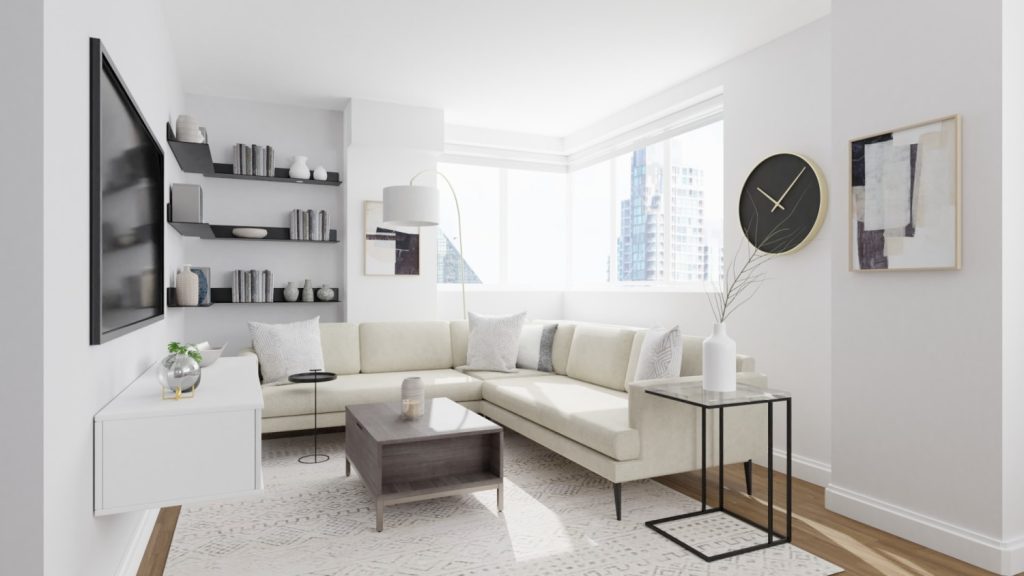
Light and neutral colors can significantly enhance the perception of space by reflecting light and creating a sense of openness. Whites, creams, and pastels are excellent choices. To add character without crowding, incorporate bold colors in smaller details or accessories, such as cushions or artwork. This technique keeps the room bright without sacrificing personality.
Can minimalist design affect mental well-being in small spaces?
Absolutely! A clutter-free environment, which is central to minimalism, can alleviate stress and enhance mental clarity. The simplicity and order associated with minimalist spaces allow for a peaceful living environment, contributing to lower anxiety levels. The focus on clean lines and functional simplicity can encourage a mindful lifestyle, which is especially beneficial in compact homes.
What are some effective storage solutions for maximizing space efficiency?
Clever storage is crucial in small homes. Utilize under-bed drawers, vertical shelving, and over-the-door organizers to maximize available space. Built-in storage options are ideal, effectively integrating storage into your living space without extra furniture. Additionally, explore creative solutions like using baskets or boxes that fit under furniture items, keeping your essentials accessible yet out of sight.
Maximizing Efficiency Through Minimalism
In the journey towards optimizing small spaces, the principles of minimalism stand as a guiding light, illuminating pathways to a more organized and efficient home environment. As highlighted throughout the article, embracing a minimalist lifestyle not only transforms our physical spaces but also profoundly influences our mental clarity and sense of calm.
Key takeaways from the discussion include the importance of decluttering regularly to maintain only the essentials and ensure each item serves a clear purpose. Incorporating multi-functional furniture is crucial in maximizing the use of limited space, allowing multiple needs to be met with fewer pieces. Furthermore, the strategic use of vertical space and innovative storage solutions can significantly reduce clutter and enhance accessibility.
The Importance of Organization
Understanding and implementing efficient organization systems is essential. By categorizing belongings and creating designated zones for activities, chaos can be minimized, fostering an environment conducive to productivity and relaxation. Equally important is the commitment to maintaining these systems, requiring periodic assessments to ensure that the space remains aligned with minimalist principles.
As we conclude this exploration, it becomes clear that the adoption of minimalism is more than a trend; it’s a transformative lifestyle choice that offers sustainable benefits. The challenge and opportunity lie in consistently applying these principles, adapting them to individual needs and spaces. As society increasingly values functionality over excess, the minimalism movement offers an inspiring roadmap for those seeking a more intentional and efficient way of living. For those intrigued by this topic, now is the perfect moment to delve deeper into the myriad approaches and discover how minimalism can uniquely enhance not only spaces but entire lifestyles.