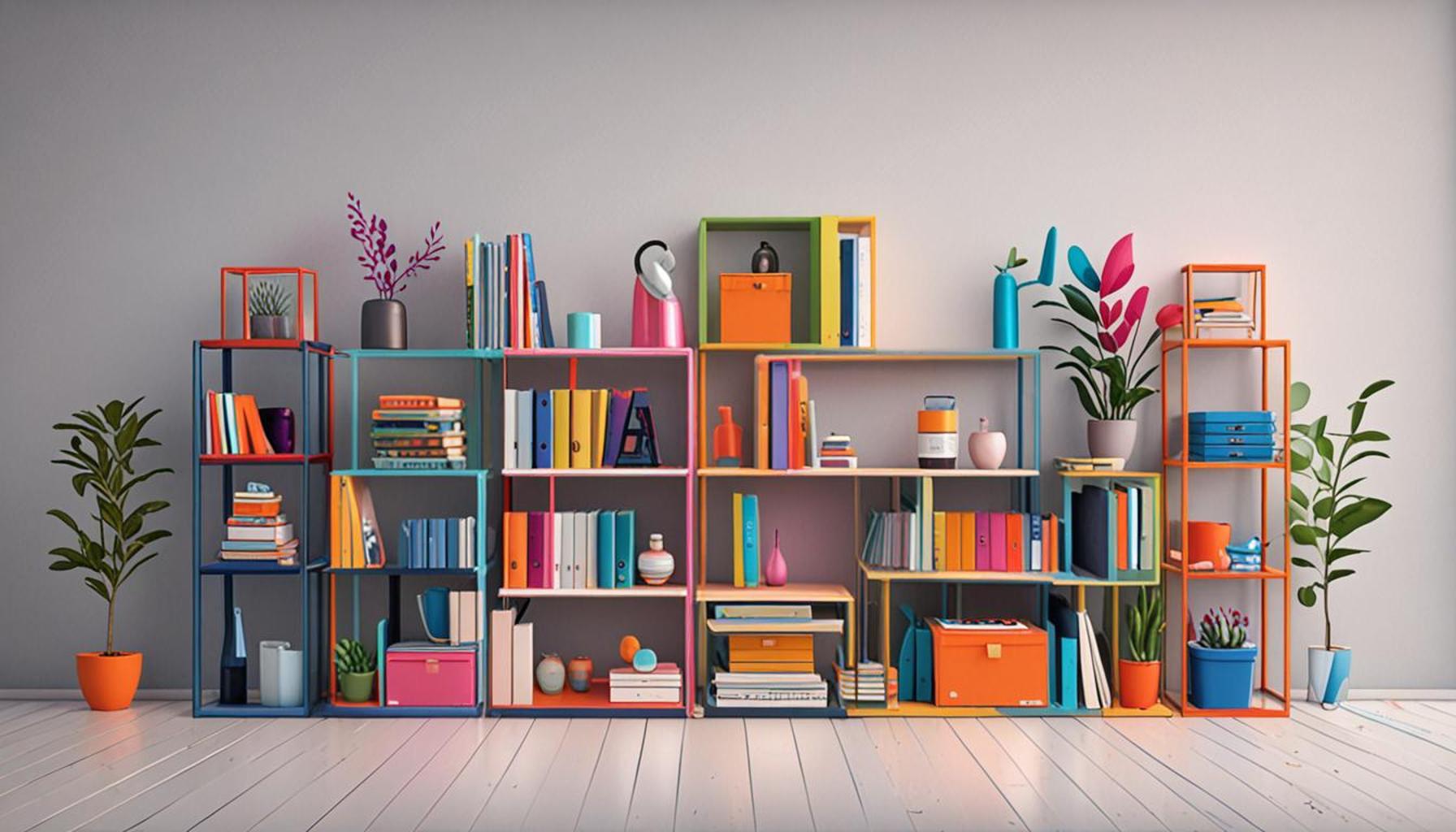
Organizing the Mind: How Minimalism and Spatial Efficiency Can Improve Your Personal Productivity

Unlocking the Power of Minimalism
In today’s fast-paced world, distractions are everywhere. From overflowing email inboxes to cluttered workspaces, achieving optimal personal productivity can feel like an uphill battle. However, the principles of minimalism and spatial efficiency can serve as transformative tools in this quest.
The Minimalist Approach
Minimalism isn’t merely about decluttering your home; it represents a comprehensive mindset that encourages you to:
- Focus on what truly matters
- Reduce distractions
- Streamline your workflow
This approach provides clarity in both personal and professional spheres. For instance, consider the practice of prioritizing tasks using a simple technique like the Eisenhower Matrix, which categorizes activities by urgency and importance. By systematically identifying what deserves your attention, you can efficiently navigate your day.
Moreover, embracing minimalism extends to digital spaces, where organizing files and reducing non-essential applications can free up cognitive loads, making it easier to concentrate on crucial tasks. An organized digital workspace not only enhances productivity but also fosters a more serene mindset, contributing positively to overall well-being.
Spatial Efficiency: A Key Element
Spatial efficiency takes minimalism a step further by optimizing your physical space. This includes:

- Organizing your workspace for maximum functionality
- Using efficient storage solutions
- Creating a pleasing aesthetic to promote a positive mindset
By implementing systems such as a “one in, one out” rule, where the introduction of new items necessitates the removal of old, you can maintain an organized workspace. Efficient storage solutions, like vertical shelving or multifunctional furniture, not only conserve space but enhance accessibility, allowing you to quickly locate essential items.
Creating a visually pleasing environment can also yield substantial benefits. Studies have shown that pleasant surroundings can enhance mood and stimulate creativity. Decorate with a few personally meaningful items, or include plants to foster a relaxing atmosphere. When your environment is both efficient and orderly, your mind can focus on the tasks at hand, effectively reducing mental clutter.
Explore More
The intersection of minimalism and productivity invites a reevaluation of how we live and work. Through practical application of these concepts, you can take significant steps toward a more organized mind and, ultimately, a more fulfilling life. From shifting your lifestyle to embracing more effective workspace strategies, the journey toward minimalism can not only enhance productivity but also contribute to a more enriched, purposeful existence. Explore further, as the principles of minimalism can offer not just an aesthetic overhaul, but a profound transformation in how you approach daily life.
DON’T MISS: Click here to simplify your time management
Embracing Clarity Through Minimalistic Design
Minimalism serves as an antidote to chaos, and the implementation of these principles begins with a deeper awareness of our surroundings and our habits. By adopting a minimalist mindset, individuals can reshape their approaches to productivity and cultivate a focused, purposeful existence. The key is to identify and eliminate the non-essential items and distractions that accumulate over time, both physically and mentally.
Identifying Excess and Streamlining Life
To activate the benefits of minimalism in your daily routine, begin by conducting a thorough audit of your belongings, both tangible and digital. Ask yourself:
- Do I really need this?
- Does this item serve a purpose or bring me joy?
- Is this contributing positively to my productivity?
This reflective process can lead to a more intentional selection of items and activities that genuinely enhance your productivity. For example, consider your workspace: does your desk cluttered with outdated documents and trinkets truly support your work? Clearing the clutter creates room for ideas to flow and reduces mental fatigue.
The Benefits of a Simplified Environment
Research indicates that a simplified environment not only aids in improving focus but also promotes higher levels of motivation and creativity. According to a study from Princeton University, clutter can actually overwhelm our ability to focus and process information. This underlines the importance of organizing our spaces effectively by removing distractions and only surrounding ourselves with elements that promote productivity.
The act of decluttering is more than just a chore; it can be a liberating experience that allows for greater cognitive clarity. Consider implementing a regular decluttering schedule that aligns with your personal productivity cycle. For instance, you might choose to devote time each Friday to remove items and digital files that no longer serve your goals, setting you up for success in the following week.
Creating an Organized Digital Space
With the digital realm often feeling as chaotic as our physical surroundings, applying minimalism to digital organization is equally crucial. Begin by cleaning out email inboxes, consolidating files into categorized folders, and removing apps that distract rather than assist. Utilize productivity-boosting apps that encourage a minimalist approach, such as task management tools that eliminate unnecessary features while still providing essential functionalities. This will help streamline your workflow and prevent overwhelming cognitive overload.
In effect, a minimalistic lifestyle seeks to cultivate an organized mind—one that is less distracted and more focused on achieving set goals. By fostering an environment of clarity and intention, you not only set the stage for personal productivity but also pave the way for a more enriching daily life.
| Category | Details |
|---|---|
| Minimalism | Promotes the elimination of clutter to enhance focus. |
| Spatial Efficiency | Optimizes workspace layouts for better productivity. |
| Enhanced Focus | By reducing distractions, you can improve concentration. |
| Reduced Stress | A clear environment can lead to decreased anxiety, enhancing your work performance. |
Delving further into the benefits of minimalism and spatial efficiency, it is essential to recognize how these practices can lead to a more harmonious work environment. When you embrace minimalism, you naturally remove unnecessary items from your workspace. This not only creates a visually appealing area but also allows the brain to focus on current tasks without being distracted by extraneous stimuli. Studies have shown that a clutter-free space can significantly enhance one’s ability to concentrate.Moreover, spatial efficiency is about strategically organizing your office or workspace to optimize movement and accessibility. An organized layout reduces the time wasted on searching for materials, thus allowing for a seamless workflow. By logically arranging resources within reach, you can maintain a state of flow, increasing overall productivity.As you explore these concepts, consider how they might be integrated into your daily routine. In essence, the thoughtful application of these principles has the potential to radically transform not just your workspace, but also your daily productivity. Explore further to uncover how you can implement these strategies in your life!
DIVE DEEPER: Click here to learn more
Transforming Productivity Through Spatial Efficiency
While embracing minimalism is paramount, understanding the role of spatial efficiency is equally critical in enhancing personal productivity. The way we arrange our environment dictates not only our productivity levels but also our overall well-being. A thoughtful layout maximizes the utility of available space, creating a workspace that promotes workflow and encourages creativity.
Optimizing Workspaces for Flow
When organizing your workspace, consider the principles of ergonomics alongside minimalism. Ergonomics focuses on designing the workspace to fit your needs, reducing strain and maximizing comfort. For instance, if you find yourself frequently reaching for items, place essentials within easy reach while keeping less-used items stored away. This practice minimizes disruptions and enhances concentration.
Moreover, the color palette of your workspace can significantly influence your mood and productivity. Research by the University of Texas suggests that certain colors evoke specific emotions. Soft blues are known to inspire calmness and clarity, while vibrant reds can increase energy levels. Choose colors that resonate with your work style and motivations, further bolstering your organizational efforts.
Decluttering Through Intentional Design
As you venture into organizing your space, consider the layout and design of every element within it. A common theme in successful office designs is ‘zoning,’ which entails dedicating specific areas to certain tasks. For example, creating a reading nook, a collaboration space, or even an innovation corner can delineate functions and optimize focus. These defined zones encourage a streamlined focus and limit the spread of distractions.
Additionally, take advantage of vertical space in your office. Using wall-mounted shelves and pegboards can free up desk space while allowing for easy access to frequently used tools and documents. Utilizing such spatial strategies contributes to a more coherent and functional working environment, reinforcing your personal productivity.
The Role of Nature in Productivity
Incorporating elements of nature into your workspace can also yield remarkable benefits. The concept of biophilic design recognizes our intrinsic connection to nature and the positive effects it has on mental health and productivity. A study conducted by the University of Queensland found that incorporating indoor plants can enhance creativity and concentration by up to 15%. Simple additions like a small potted plant or a view of the outdoors can cultivate a serene atmosphere conducive to productivity.
The Dynamic Balance: Flexibility in Minimalism
Furthermore, it is essential to acknowledge that minimalism and spatial efficiency do not equate to rigidity. The most productive workspaces are adaptable. Introducing multifunctional furniture—such as modular desks and chairs that allow for varying work styles or collaborative sessions—enables a seamless transition between tasks. This flexibility not only accommodates the ever-changing demands of work but also fosters a sense of empowerment in making productivity choices.
Utilizing technology to track productivity can also amplify the benefits of an organized space. Applications designed for personal efficiency can transform tasks into manageable blocks, further reducing potential clutter in your mind. As you streamline your workspace, intertwine it with efficient tools and resources that heighten your focus, enabling an organized state of mind primed for achieving goals.
DISCOVER MORE: Click here to learn how to maximize your space
Conclusion: Maximizing Productivity through Organization
In a world where distractions abound, the principles of minimalism and spatial efficiency offer transformative avenues for enhancing personal productivity. By simplifying our environments and focusing on essential elements, we create a setting that not only fosters clarity but also enhances our ability to concentrate and engage with tasks. As we have explored, optimizing workspaces through thoughtful design, such as evaluating ergonomics, color influences, and zoning can lead to remarkable increases in both creativity and efficiency.
Moreover, the integration of nature and adaptable solutions ensures that productivity spaces remain dynamic and responsive to our needs. Whether it’s introducing a small plant or utilizing multifunctional furniture, these strategic choices underscore the connection between our physical surroundings and mental performance. This relationship points to an important consideration: finding balance. Flexibility within minimalism allows for varying work styles and life changes, thereby helping individuals maintain their focus amid a fast-paced environment.
Ultimately, to unlock your full potential, beyond mere organization lies a call to action: take the time to explore your unique workspace requirements, make intentional design choices, and embrace the principles of minimalism. As you embark on this journey of organizing the mind, consider how even the smallest adjustments can lead to substantial improvements in personal productivity. This exploration not only yields immediate benefits but ensures a sustained pathway toward efficiency and well-being.