Redefining the Concept of Home: How Minimalism Transforms Spaces into Functional Havens
Understanding the Shift in Living Spaces
In today’s fast-paced world, the notion of home is undergoing a profound transformation. As people seek to create spaces that foster peace and functionality, minimalism emerges as a guiding principle. This approach not only encourages simplicity but also emphasizes the importance of intentional living. The feeling of being overwhelmed by material possessions has led many to reassess their priorities and redefine what home means to them.
Minimalism has several key features that appeal to modern homeowners:
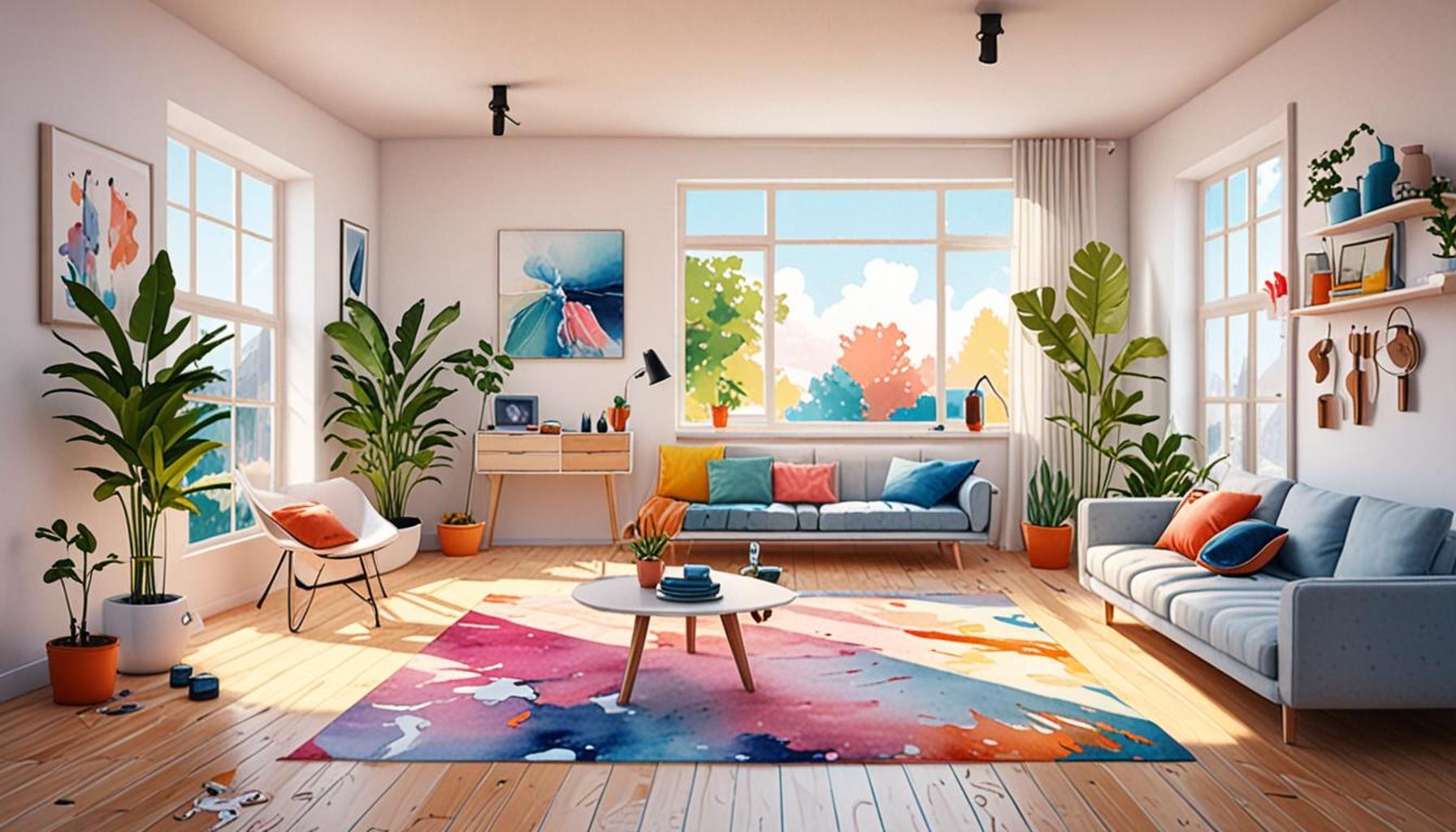
- Decluttered Spaces: By reducing excess belongings, individuals can enhance their living environments significantly. For instance, a living room stripped of unnecessary furniture can feel more spacious and inviting, allowing for better social interactions and a relaxed atmosphere. Research suggests that a clutter-free environment can reduce stress and anxiety, leading to improved mental well-being.
- Functional Design: Every item in a minimalist home serves a purpose, making spaces more practical. Homeowners are now inclined to invest in multi-functional furniture, such as a sofa that converts into a bed or a coffee table that offers hidden storage. This thoughtful design maximizes space while ensuring that every piece enhances the overall living experience.
- Mindful Aesthetics: Clean lines and neutral colors promote serenity, turning homes into tranquil retreats. By opting for a palette of whites, grays, and earth tones, homeowners can create serene environments that foster relaxation. This aesthetic choice is not just visually appealing but can also have a calming effect on the mind.
This shift towards simplified living invites individuals to reconsider what truly matters in their lives. As a result, many are finding joy not in what they own, but in how they utilize their spaces. Embracing minimalism often means prioritizing experiences over possessions, encouraging gatherings with friends and family rather than accumulating more items. By embracing minimalism, homes are transforming into functional havens for comfort and creativity.
Throughout this article, we will explore how minimalism can redefine your home, turning any living space into a harmonious sanctuary. From practical tips that guide you through decluttering processes to inspiring examples of minimalist design from thriving American cities, readers will find information tailored to their minimalist journey. Join us as we delve into expert insights that can help you embark on a path towards minimalism and enriched living, discovering how the concept of home can evolve into a tranquil sanctuary that truly reflects your lifestyle and values.
DISCOVER MORE: Click here to simplify your living space

Embracing Minimalism: Design Principles for a Functional Home
As the allure of minimalism continues to draw enthusiasts, understanding its core design principles becomes essential for anyone looking to transform their living spaces into functional havens. At its heart, minimalism champions the idea that less is more. This often necessitates a strategic analysis of one’s belongings, ensuring that each item not only serves a purpose but also contributes to the overall aesthetic of the home. This intentional approach can deeply impact both the physical space and the emotional state of those who inhabit it.
Here are several fundamental design principles that embody minimalism:
- Open Spaces: A key characteristic of minimalist design is the emphasis on open spaces that allow for fluid movement and light. By removing barriers and excess furniture, rooms can feel larger and more welcoming. This openness inspires creativity and enhances communication between family members, encouraging a sense of connection.
- Natural Light: Incorporating natural light is another cornerstone of minimalist spaces. Homes that prioritize large windows or even skylights can significantly improve the atmosphere, eliminating the need for excessive artificial lighting. Natural light is not only energizing but also highlights the simplicity and beauty of design, creating a serene environment that embodies tranquility.
- Quality over Quantity: Minimalism encourages homeowners to invest in high-quality, durable furnishings instead of settling for lower-quality items. This shift means choosing timeless pieces that stand the test of time over trends that could quickly fade. Furniture crafted from sustainable materials often aligns with minimalist values, reinforcing the connection to an intentional lifestyle.
- Neutral Palette: A cohesive, neutral color scheme can transform a space into a slice of calm amid chaos. Soft whites, muted beiges, and elegant grays promote a sense of balance and simplicity. By minimizing color variation, the eye is drawn to the space itself, rather than being distracted by overcomplicated designs.
These principles converge to create a space that is not only aesthetically pleasing but also fosters a sense of well-being. Studies have shown that environments designed with minimalism in mind can improve focus, reduce anxiety, and promote a healthier lifestyle. For instance, in urban areas where noise and chaos prevail, adopting minimalist principles allows homeowners to craft private sanctuaries that revive the spirit.
Moreover, the minimalist mindset encourages effective organization. By strategically using storage solutions, such as modular shelving or hidden drawer systems, homeowners can maintain a clean appearance without sacrificing accessibility. This organized approach goes hand in hand with decluttering efforts, making it easier to retain only essential items that contribute positively to one’s life.
As we explore the intersections of minimalism and functional design, we uncover a transformative journey where individuals redefine the very essence of home. The simplicity found in these principles not only enhances living environments but also aligns with personal values, ultimately positioning minimalism as a lifestyle choice that resonates deeply with modern sensibilities.
| Category | Description |
|---|---|
| Space Efficiency | Minimalism promotes the effective use of space, ensuring that every element serves a purpose. |
| Aesthetic Clarity | The emphasis on clean lines and simple design creates a calming atmosphere that enhances the feeling of home. |
| Decluttered Environment | By reducing non-essential items, minimalism fosters a tranquil living space that reduces stress and promotes well-being. |
| Sustainable Living | Embracing minimalism often leads to eco-conscious choices in materials and living practices. |
Continuing with the transformation of spaces into functional havens, it is essential to recognize how minimalism shifts perceptions about the home environment. Gone are the days when homes were cluttered with unnecessary trinkets and excessive decor. Instead, we witness a revival in valuing quality over quantity. This philosophy aligns seamlessly with the emotional shifts many are experiencing; homes are becoming havens designed for relaxation, peace, and productivity.Moreover, the role of natural light becomes amplified in minimalist spaces. Open layouts and large windows not only invite light but also foster a connection to the outdoors, enhancing the overall aesthetic appeal. This relationship with nature encourages a sense of tranquility, allowing inhabitants to feel more centered and connected.Additionally, the functional design choices made in minimalist homes facilitate better organization, creating a seamless flow through spaces. Built-in storage solutions and multi-functional furniture ensure that even the smallest of homes can accommodate expansive living. Individuals find that they can pursue hobbies, entertain guests, or simply unwind amid a backdrop that promotes clarity and simplicity.In summary, as minimalism continues to redefine homes, it aligns with broader cultural shifts towards sustainable, mindful living. As you explore this topic further, consider how these design principles can be adapted into everyday spaces to create your own personal haven.
DISCOVER MORE: Click here to enhance your productivity
The Psychological Impact of Minimalism on Home Life
Beyond aesthetics, the influence of minimalism on the psychological well-being of individuals is profound and multifaceted. As homes transform into functional havens, the emotional connections and mental clarity cultivated by minimalistic design cannot be overstated. Research suggests that cluttered environments can lead to increased stress and distraction, impeding productivity and personal satisfaction. By adopting a minimalist approach, individuals can foster a sense of calm and mindfulness within their living spaces.
Mindfulness and Clarity: Embracing minimalism often culminates in a state of mindfulness—an intentional awareness of the present moment. With fewer distractions, homeowners can focus on what truly matters. This emphasis on being present can enhance relationships, encouraging more meaningful interactions when family members engage with one another without a barrage of extraneous stimuli. By creating an organized environment, individuals can declutter not just their physical spaces but also their mental landscapes.
Simplicity in Routine: The transformation of home environments through minimalism also translates to simpler daily routines. The absence of excess promotes efficiency; for instance, a neatly organized kitchen allows for swifter meal preparation, while a designated workspace free from distractions enhances productivity. Additionally, individuals are more likely to maintain a clean and orderly home when the number of belongings is reduced, breaking the cycle of chaotic living. This chain reaction leads to a healthier lifestyle that prioritizes wellness and balance.
The Emotional Connection to Space: Minimalism also evolves the emotional connection individuals have with their homes. By reducing the volume of items, homeowners can focus on preserving pieces that carry meaning—artwork from a beloved trip or vintage furniture passed down through generations. This emotional curation fosters a connection to place that enhances one’s sense of identity and belonging. Moreover, spaces that prioritize simplicity often have a calming ambience, acting as personal sanctuaries amidst the hustle and bustle of daily life.
Emotionally Supportive Spaces: The minimalist design encourages homeowners to curate spaces that reflect their values and aspirations. By aligning their environment with personal philosophies, individuals are more likely to feel inspired and motivated. For instance, a home office adorned with only essential tools for productivity can serve as a hub of creativity—free from noise and clutter—allowing a focused mindset to flourish.
In a broader context, the societal shift towards minimalism is evident. With the rise of the digital nomad and remote work trends, many are reevaluating their living situations in pursuit of simplicity. The minimalistic lifestyle extends beyond physical spaces into the choices individuals make, including decluttering their digital lives, such as reducing screen time and concentrating on meaningful interactions rather than online distractions.
The implications of minimalism are extensive, as it not only redefines the concept of home but also shapes an engaging lifestyle centered on sustainability, purpose, and connection. As this movement continues to gain traction, individuals across the United States are uncovering the profound power of simplicity as a catalyst for positive change within their homes and beyond.
DISCOVER MORE: Click here to learn how to simplify your life
Conclusion
As we navigate an increasingly complex world, the rise of minimalism signals a powerful shift in how we perceive and inhabit our homes. In redefining the concept of home, minimalism transcends mere aesthetic appeal and becomes a transformative lifestyle choice that cultivates both functionality and serenity. By stripping away the non-essential, individuals can reclaim their spaces and, in turn, their peace of mind. The benefits are multi-faceted, enhancing not only mental clarity but also emotional connections to our possessions and relationships. Even the simplest environment can serve as a functional haven that nurtures creativity, focus, and balance.
In a fast-paced society, embracing minimalism fosters a culture centered around sustainability and intentional living. This movement inspires individuals to curate not only their physical spaces but also their digital lives, prioritizing meaningful interactions and experiences over transient distractions. As homeowners invest in their environments, it becomes crucial to remember that less truly can be more, offering the opportunity to create homes that are a direct reflection of personal values and aspirations.
Ultimately, redefining home through minimalism not only transforms physical spaces into havens of tranquility but also encourages a collective reimagining of what it means to lead fulfilled lives. As we embrace this trend across the United States and beyond, the journey towards minimalism invites us to explore the profound power of simplicity, one room at a time.