Spatial Efficiency in Offices: Creating Minimalist Work Environments that Stimulate Creativity and Collaboration
Understanding the Shift in Office Design
Amidst the complexities of today’s fast-paced business environment, spatial efficiency in offices has emerged as a key priority for organizations striving to maintain a competitive edge. Businesses are increasingly recognizing that an office’s physical layout can profoundly influence employee morale, productivity, and creativity. The traditional cubicle farm is rapidly being replaced by innovative workspaces that promote collaboration and foster creative thinking. To adapt to these evolving needs, companies are reimagining their office designs in new and exciting ways.
The Rise of Minimalist Work Environments
Minimalist work environments have taken the design world by storm, prioritizing simplicity and function without sacrificing style. The objective is clear: create spaces that enhance productivity and stimulate creativity among employees. The benefits of this approach are multi-faceted and include the following:
- Enhanced focus: By minimizing visual clutter and distractions, employees are better able to concentrate on their tasks. For example, using neutral color palettes and decluttering desks can significantly reduce stress levels, enabling employees to work more efficiently.
- Flexibility: Modern office setups often include multi-functional spaces that can accommodate various team dynamics. For instance, modular furniture allows for quick rearrangements, supporting both collaborative group efforts and individual work.
- Cost-effectiveness: By optimizing layouts and reducing wasted space, businesses can save money on utilities and rental costs. This aspect is particularly critical for startups and small enterprises that often operate on tight budgets.
Case Studies of Innovative Companies
Many trailblazing companies have embraced the fundamental principles of minimalist and spatially efficient designs. Consider:
- Google: The tech giant is renowned for its open office spaces that facilitate interaction among employees across different teams, such as the use of communal areas located strategically to encourage casual meet-ups.
- Airbnb: Their offices, adorned with minimalist aesthetics, revolve around their brand ethos, reflecting values of simplicity and community. This design philosophy helps employees align their work environment with the mission of the company.
- WeWork: This co-working space provider curates environments aimed at enhancing shared experiences. By designing common areas that encourage networking and collaboration, they promote a culture of synergy among diverse businesses.
The Importance of Office Design in Shaping Culture
The process of redesigning office spaces is not merely about aesthetics; it’s a strategic decision that can catalyze organizational change and foster a culture of creativity. Understanding how spatial efficiency can transform ordinary offices into extraordinary experiences is crucial. In doing so, companies can ignite collaboration, spark innovation, and ultimately enhance their overall effectiveness in the market. Engaging in this discussion about workspaces is an invitation to rethink and invest in how we choose to work together in the modern world.
DIVE DEEPER: Click here to discover more about minimalism
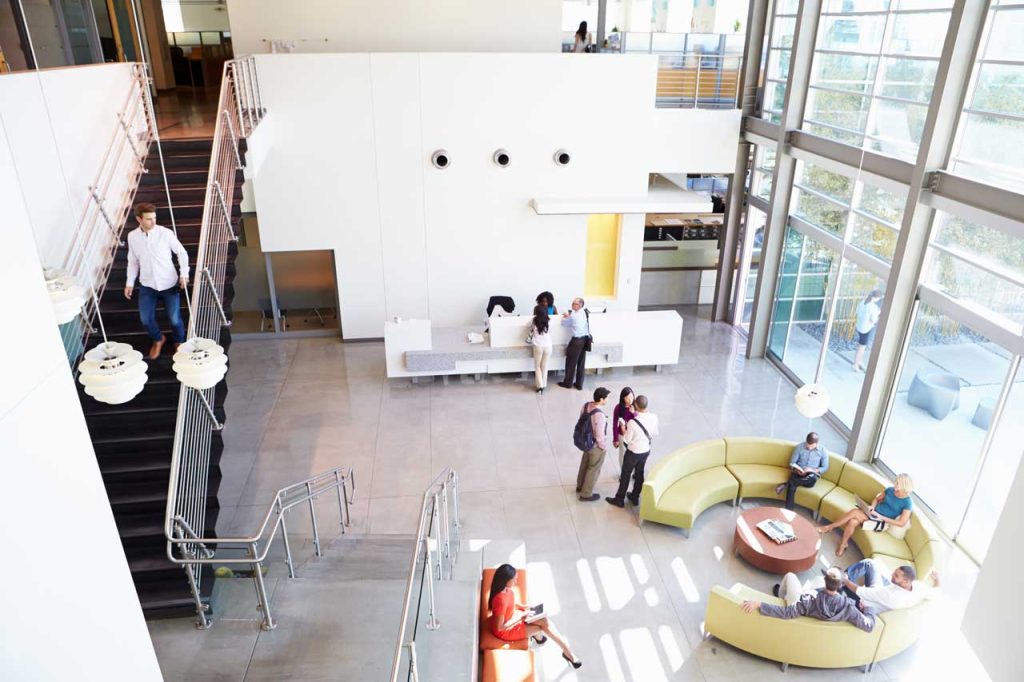
The Psychological Impact of Minimalism in Workspace Design
The shift towards spatial efficiency in offices is not just a trend; it represents a deeper understanding of human psychology and its interplay with physical environments. Research has consistently shown that our surroundings can influence our emotions, behaviors, and perceptions. In office environments, a minimalist design approach can lead to clearer thinking, improved mood, and increased motivation. These psychological benefits are paramount in fostering a workplace that not only looks good but feels right.
A study conducted by the University of Exeter found that employees are 15% more productive in environments that are visually appealing and organized. This finding underscores the need for businesses to focus on how their office spaces can not only cater to aesthetics but also promote wellness and mental clarity. For example, integrating natural elements such as plants has been shown to improve air quality and provide a calming effect, further promoting a sense of well-being.
Design Elements that Promote Spatial Efficiency
When envisioning a minimalist workspace, several key design elements can cultivate an atmosphere that enhances creativity and collaboration:
- Open Layouts: The absence of physical barriers encourages interaction and the free flow of ideas among colleagues. An open space can dissolve hierarchical structures, allowing for organic conversations and brainstorming sessions.
- Natural Light: Utilizing large windows and open blinds can create an inviting atmosphere. Studies suggest that exposure to natural light boosts mood and energy levels, which is crucial in stimulating creativity.
- Organization and Clarity: A decluttered desk helps in reducing distractions. Implementing smart storage solutions ensures that employees can easily access necessary items without overwhelming their workspace.
- Multi-functional Spaces: Areas designed for both collaboration and solitude allow employees to choose the environment that best suits their task at hand. These flexible workspaces can adapt to the team’s dynamic needs throughout the day.
- Technological Integration: Seamless integration of technology can enhance communication and collaboration. Features such as wireless charging stations, interactive displays, and video conferencing tools can create a connected work environment.
Moreover, the inclusion of breakout areas equipped with comfortable seating promotes informal meetings, enhancing exchange and collaboration. By creating these zones within the office, organizations encourage employees to step away from their desks and engage with one another, thus fostering a sense of community and shared purpose.
Measuring Success through Engagement and Output
While the visual appeal of minimalist workplaces is undeniable, the ultimate measure of success lies in employee engagement and output. Organizations that adopt these innovative designs often experience a noticeable increase in collaboration and creativity. Employee feedback surveys can provide valuable insights into how the new office layout is enhancing or hindering their work experiences.
Additionally, companies may track metrics such as project completion times and the number of cross-team collaborations to quantify the success of their spatial efficiency initiatives. As businesses continue to adapt to changing workforce expectations, the focus must remain on creating environments that elevate productivity and inspire creativity through thoughtful, minimalist design.
| Category 1 | Category 2 |
|---|---|
| Increased Collaboration | Minimalist designs often utilize open spaces that foster teamwork and communication among employees. |
| Enhanced Creativity | Simplicity in design reduces distractions, allowing for a clearer focus which often results in greater creative output. |
In the modern workplace, creating an environment that promotes creativity and collaboration is essential for driving innovation. A minimalist office layout, which puts emphasis on spatial efficiency, can play a pivotal role in this process. By reducing clutter and unnecessary elements, employees can find it easier to communicate spontaneously and share ideas. For instance, open-plan spaces or collaborative zones equipped with comfortable seating can help to accelerate brainstorming sessions and project discussions.Furthermore, research indicates that design impacts productivity. When employees work in environments that are aesthetically pleasing yet simple, they are less likely to experience burnout. This is crucial as it also enhances job satisfaction and retention rates. Incorporating plants, natural light, and functional furniture contributes to a healthier workspace that encourages employees to engage with one another.The balance between aesthetics and functionality is crucial in designing these minimalist environments. As it stands, businesses should not only consider how their spaces look but also how they can facilitate better team dynamics and individual performance.
DIVE DEEPER: Click here to enhance your time management skills
The Role of Technology in Enhancing Minimalist Office Spaces
In the pursuit of spatial efficiency in offices, technology plays a pivotal role in complementing minimalist design principles. The right technological tools not only streamline operations but also create an environment that fosters creativity and collaboration. A workplace equipped with advanced technology is better suited to support a variety of working styles while maintaining a clean and organized aesthetic.
Utilizing Smart Office Solutions
Smart office solutions can integrate seamlessly into a minimalist workspace, creating a more efficient and engaging environment. For instance, automated lighting and temperature control systems can adjust based on occupancy and time of day, allowing for an energy-efficient approach that aligns with minimalist ideals. These systems enhance comfort without adding visual clutter or physical complexity to the workspace.
Additionally, cloud-based collaborative tools such as Google Workspace or Microsoft Teams allow employees to share ideas freely without the physical confines of traditional meeting spaces. This digital flexibility encourages team members to operate in a less structured environment, fostering spontaneous discussions and creativity. Projects can evolve through real-time collaboration, making it easier to track progress and adapt strategies swiftly.
Enhancing Communication with Virtual and Augmented Reality
The advent of virtual and augmented reality (VR and AR) technologies presents an exciting frontier in office design. These tools can simulate various work settings, allowing teams to brainstorm and visualize ideas without the constraints of a physical space. For example, a VR meeting room can provide a shared experience that promotes engagement, ensuring that all voices are heard, regardless of geographical locations.
According to a report from Deloitte, workplaces that embrace VR and AR can witness increased productivity by up to 30%. These technologies bridge the gap between physical and digital spaces, enabling teams to collaborate effectively, share ideas, and innovate in ways that traditional setups could not.
Data-Driven Design for Continuous Improvement
Another benefit of modern technology lies in its capability to collect data on employee interactions and workspace usage. By analyzing this data, organizations can gain insights into how space is utilized, identifying areas for improvement. For instance, tracking foot traffic can reveal which collaborative zones are most frequented, offering guidance on future design decisions that prioritize spatial efficiency.
One notable example of this innovative approach can be seen in companies like Google and Microsoft, which actively monitor employees’ engagement patterns to refine their office layouts. By continuously adjusting their environments based on real-time feedback, these companies create workspaces that are not only aesthetically minimalist but also functionally effective.
The Aesthetics of Technology in Minimalist Workspaces
Incorporating technology into a minimalist office doesn’t mean sacrificing aesthetics. On the contrary, modern technology can enhance the visual appeal of a workspace. Sleek designs of devices and furniture made from sustainable materials contribute to an inviting atmosphere while promoting an organized and uncluttered space. For example, using wireless technology to eliminate excess cords and bulky equipment creates a visually cleaner environment.
Organizations looking to implement spatial efficiency in offices should therefore consider how technology can not only streamline operations but also support a culture of creativity and collaboration. By embracing a minimalist design philosophy combined with innovative tech solutions, businesses can create a workplace that empowers their employees and pushes the boundaries of collaborative potential.
DIVE DEEPER: Click here to learn how to say no effectively
Final Thoughts on Spatial Efficiency in Minimalist Offices
In conclusion, the quest for spatial efficiency in offices transcends mere aesthetics; it embodies a holistic approach that enhances productivity, creativity, and collaboration. By merging minimalist design with innovative technology, organizations can create workspaces that not only look appealing but also function effectively under the demands of today’s dynamic work environments. The strategic use of smart office solutions, collaboration tools, and immersive technologies like VR and AR fosters an inclusive atmosphere where creativity can flourish.
Moreover, embracing data-driven insights allows organizations to continuously refine their environments, ensuring that spaces are utilized to their fullest potential. As seen in forward-thinking companies such as Google and Microsoft, monitoring employee interaction is key to optimizing layouts and creating zones that encourage both focused work and collaborative brainstorming.
Ultimately, the minimalist office is more than a design choice; it is a commitment to supporting the well-being and creativity of employees. A clutter-free environment equipped with advanced technologies can inspire innovative thinking and spontaneous collaboration, leading to improved morale and increased productivity. As businesses continue to evolve, the integration of spatial efficiency will remain crucial in cultivating a culture that values creativity and teamwork, setting a standard for future workplace designs. Organizations that successfully balance form and function will not only drive success but also pioneer the next generation of office environments.