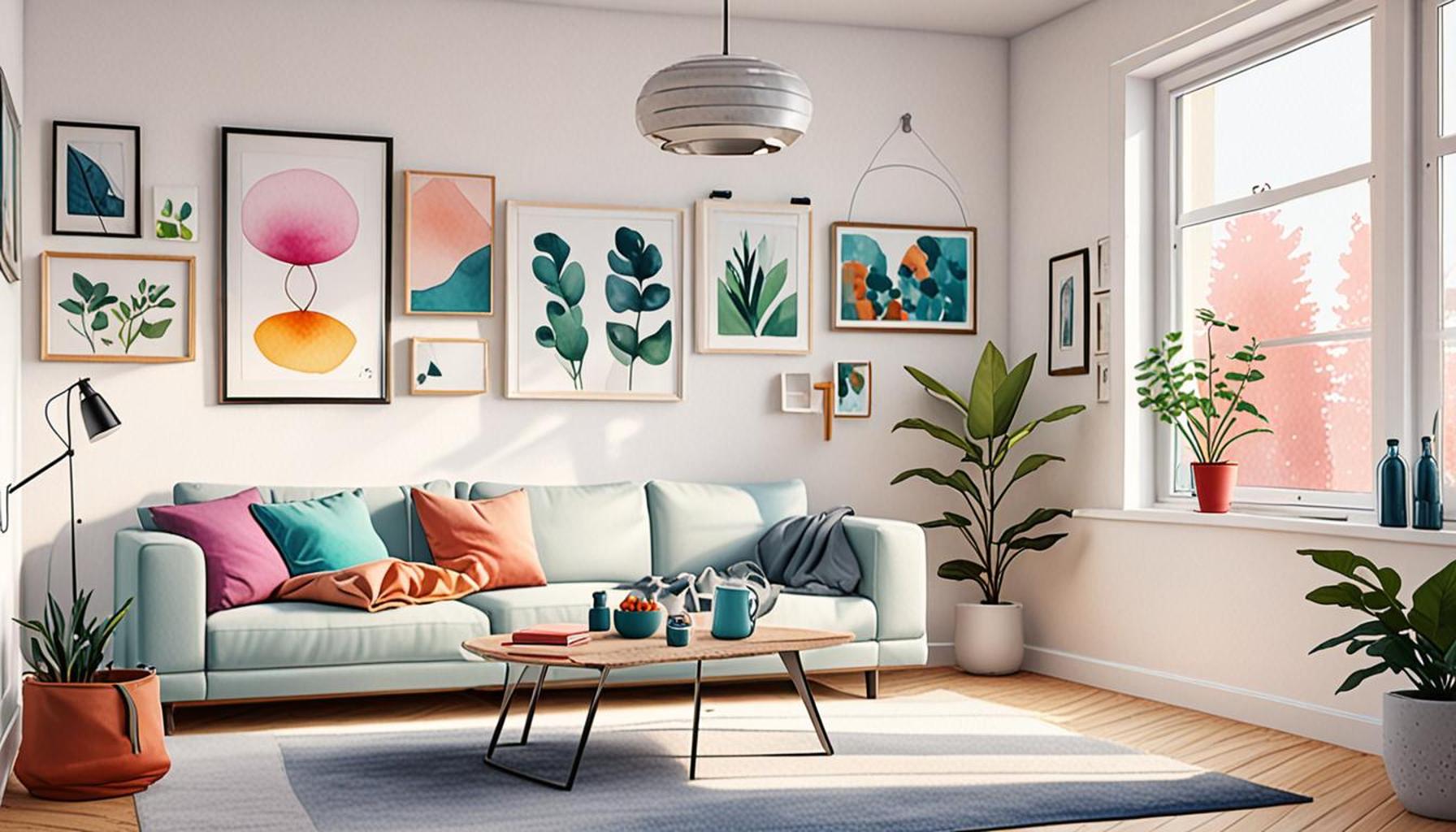
The Art of Letting Go: How Simplified Living Transforms Spaces and Minds

Discovering the Power of Letting Go
In today’s fast-paced society, filled with relentless demands and incessant material accumulation, the concept of simplified living stands out as a much-needed remedy. This approach to life goes beyond a mere decluttering rush; it encourages individuals to delve deep into their belongings and reflect on what they genuinely cherish. By letting go of excess clutter, we can not only reclaim our physical spaces but also achieve peace of mind, fostering a more centered approach to living.
Why Simplified Living Matters
- Clarity of Mind: Studies have shown that physical clutter can contribute to feelings of anxiety and overwhelm. By simplifying our environments, we enhance our focus, leading to a clearer mindset that allows for increased productivity and effectiveness in both personal and professional pursuits.
- Emotional Freedom: Each item we hold onto can carry emotional weight, from nostalgia to guilt. By letting go of these possessions, we can liberate ourselves from the mental strains that accompany them, paving the way for personal growth and self-discovery.
- Space to Breathe: A decluttered space not only promotes organization but also stimulates creativity. With fewer distractions, individuals often find themselves inspired to pursue new ideas, hobbies, or projects that they had previously set aside in the chaos of their environments.
People from various walks of life are embarking on this journey toward simplicity, from urban minimalists looking for zen amid city noise to suburban residents yearning for a calmer home life. Figures like Marie Kondo have transformed public perceptions of tidying through her philosophy of only keeping items that “spark joy.” This movement resonates deeply in a culture that is increasingly questioning consumerism; shocking statistics reveal that Americans generate over 250 million tons of waste annually, with a significant portion stemming from unnecessary possessions.
Transforming Lives, One Step at a Time
By adopting simplified living, individuals begin to redefine their values, prioritizing experiences and connections over material accumulation. This transformative journey leads many to report reduced stress, heightened enjoyment in daily tasks, and a significant boost in their overall quality of life. The essence of this shift extends beyond mere organization; it cultivates intentionality in how we populate our surroundings, allowing us to create spaces that resonate with tranquility and purpose.
As this trend gains traction, resources, such as podcasts, books, and online communities, continue to guide individuals through the process. Whether you’re inspired by stories of transformation or looking for practical tips to start decluttering your life, the journey toward a simplified existence holds the promise of lasting fulfillment—one small step at a time.
DIVE DEEPER: Click here to learn how to maximize your space
Embracing Minimalism: The Path to Simplified Living
As individuals begin to embrace the principles of simplified living, they often find that the journey toward minimalism is more than just a practical pursuit—it is a profound lifestyle change that encourages introspection and alignment with one’s true values. For many, the first step lies in recognizing the emotional connections tied to their possessions. It is crucial to assess which items genuinely enrich their lives and offer value in today’s fast-paced world. This introspection not only reveals the excess but also uncovers the deeper meanings hidden within the things we choose to keep.
Understanding the Psychology of Clutter
The act of letting go has psychological implications that can be both liberating and challenging. Numerous psychological studies indicate that individuals harbor feelings of attachment to their possessions often rooted in sentimentality, fear of loss, or guilt about parting with gifts. This attachment can complicate our ability to declutter, making the initial stages of simplified living potentially overwhelming. Recognizing these emotions is essential for fostering a healthier relationship with our belongings.
- Nostalgia: Items from our past, such as childhood toys or gifts from significant others, may evoke powerful memories, making it difficult to part with them.
- Perceived value: Often, individuals believe that keeping items signifies success or achievement, leading to unnecessary accumulation.
- Insecurity: Some people fear that letting go of possessions will result in regret or loss, causing them to hesitate in the decluttering process.
However, as one delves deeper into the practice of simplified living, it becomes apparent that emotional healing often occurs alongside physical decluttering. Many individuals report feelings of relief as they release items that no longer serve them or their goals. This process fosters self-awareness and empowerment, encouraging people to embrace the present rather than cling to the past.
Creating Intentional Spaces
Once individuals start letting go of unnecessary items, they open up their physical environments to more personalized and intentional spaces. A decluttered home enables creativity to flourish, allowing individuals to reimagine their surroundings according to their current needs and aspirations. Instead of being weighed down by a multitude of items, they can curate their space with objects that spark joy, reflecting who they are now rather than who they once were.
The commitment to simplified living not only impacts personal spaces but can significantly influence interpersonal relationships. As people learn to prioritize quality over quantity, they often find it easier to connect with others in more meaningful ways. Engaging in shared experiences becomes paramount, enriching lives far more than material possessions ever could.
Whether through community-based initiatives or personal projects, those who adopt simplified living often discover a supportive network of like-minded individuals. This shared commitment fosters deeper connections and serves as a constant reminder that letting go can lead to greater fulfillment and joy in daily life.
| Advantages | Impact on Living Spaces |
|---|---|
| Enhanced Mental Clarity | Adopting a simplified lifestyle often leads to a decluttered environment, which can significantly improve focus and decrease stress. |
| Emotional Freedom | Letting go of physical and emotional baggage allows individuals to embrace new experiences and perspectives, creating a more open-hearted living space. |
The practice of simplified living, often referred to as “The Art of Letting Go,” offers profound advantages beyond mere decluttering. Enhanced mental clarity is a pivotal element through creating a tranquil living environment that fosters productivity. Individuals often discover that removing unnecessary items from their surroundings can lead to a heightened sense of focus and reduced anxiety levels.Moreover, emotional freedom is another significant benefit, enabling people to free themselves from past attachments that hold them back. By letting go of accumulated ‘stuff’ and emotional ties, individuals can open themselves up to new opportunities and experiences. This transformation creates a welcoming and spacious mindset that inspires creativity and enhances well-being, ultimately leading to a life filled with purpose and joy. As you delve deeper into the concept of simplified living, consider how these elements can inspire you to create a more harmonious existence. Exploring this journey can guide you toward a richer, more fulfilling lifestyle.
DIVE DEEPER: Click here to discover how saying no can boost your productivity
The Ripple Effects of Simplified Living
As one embarks on the journey of letting go, the effects of simplified living extend far beyond the confines of one’s home. This lifestyle transformation can lead to meaningful changes in various aspects of life, including mental well-being, environmental consciousness, and financial freedom. By shedding the burdens of excess, individuals begin to unlock a sense of clarity and purpose that invigorates their daily lives.
The Mental Clarity of a Simplified Mind
The process of decluttering not only frees up physical space but also fosters a mental environment conducive to peace and focus. Research indicates that people living in cluttered spaces often experience increased levels of stress and anxiety, making it difficult to concentrate or relax. By contrast, those who adopt simplified living report heightened levels of productivity and creativity, as they are no longer distracted by excess belongings. A study published in the Journal of Environmental Psychology found that individuals in decluttered spaces exhibited lower stress hormone levels and improved cognitive function, supporting the idea that a clear space can significantly enhance mental clarity.
Environmental Impact: Choosing Less for a Greener Future
Choosing to let go of material possessions is not only beneficial for individual well-being but also has profound environmental implications. Consumerism contributes significantly to pollution and resource depletion; hence opting for a minimalist lifestyle can have a positive ripple effect on the planet. By prioritizing sustainable practices, such as buying only what is necessary, or opting for second-hand goods, individuals can reduce their carbon footprint and promote a culture of conscious consumption.
Furthermore, simplified living often encourages people to engage in community support systems that emphasize resource sharing rather than ownership. Examples include community tool libraries or clothing swaps, initiatives that stem from the philosophy of minimalism. As more individuals embrace these practices, the collective impact on environmental sustainability can be significant, creating ripple effects that lead to a more resource-conscious society.
Financial Freedom through Minimalism
Another compelling aspect of simplified living is the potential for financial freedom. By actively choosing to release unnecessary belongings and resist the urge to acquire new items, individuals can noticeably decrease their spending. A report from Consumer Expenditure Surveys revealed that Americans are often bogged down by debt largely driven by consumerism. The act of letting go not only helps to create a more tranquil living space but also encourages healthy financial habits.
Practicing minimalism can lead to redirected funds toward experiences rather than objects. Instead of investing in material goods, individuals may find themselves reallocating that money toward travel, education, or other enriching experiences that cultivate joy and connection. This holistic approach to finances reflects a shift from consumption to a life of meaning, where happiness stems from relationships and personal growth rather than possessions.
The Empowerment of Community Engagement
Finally, embracing simplified living often paves the way for deepened social interactions and community engagement. Individuals who simplify their lives frequently find themselves more present and open to connecting with others. Engaging in community events, volunteering, or participating in local meetups fosters connections that enhance our sense of belonging. Sharing the journey toward minimalism with others—whether through social media platforms, blogs, or local workshops—creates vibrant communities around the concept of letting go and living intentionally.
As individuals experience the transformative impacts of simplified living, they discover not only the beauty of empty spaces but also the richness of living life fully, free from the constraints of material possessions. Such transformation is not merely about reducing clutter; it represents a deeper journey toward reclaiming one’s life and prioritizing what truly matters.
DISCOVER MORE: Click here to learn how minimalism can elevate your mental well-being
Embracing the Art of Letting Go
In closing, the journey of embracing simplified living and mastering the art of letting go ultimately leads to a profound transformation of both our spaces and minds. By decluttering physical environments, individuals not only experience a sense of liberation but also invite mental serenity and enhanced focus into their lives. The benefits extend further, impacting our environmental footprint and financial health by fostering sustainable practices and reducing unnecessary expenditure.
The embrace of minimalism cultivates a culture that prioritizes conscious consumption and community support, creating spaces that promote connection rather than isolation. As we learn to value experiences over possessions, we pave the way for deeper relationships, personal growth, and a more enriched existence. Simplified living thus becomes a powerful catalyst for change, offering an alternative to the pervasive materialism that often defines modern life.
As more individuals embark on this transformative journey, we witness the ripple effects—greater mental clarity, a healthier planet, and a society that values relationships over accumulation. The quest for simplicity is not merely about the absence of clutter; it symbolizes a commitment to living intentionally, where every choice aligns with our true values. In this ethos lies the potential for a fulfilling and meaningful life. Letting go is, indeed, an art—a beautiful practice of choice, clarity, and freedom that opens doors to a brighter and more purposeful existence.