
The Impact of Nature on Minimalist Spaces: Creating Cozy and Functional Environments with Plants and Simple Decor
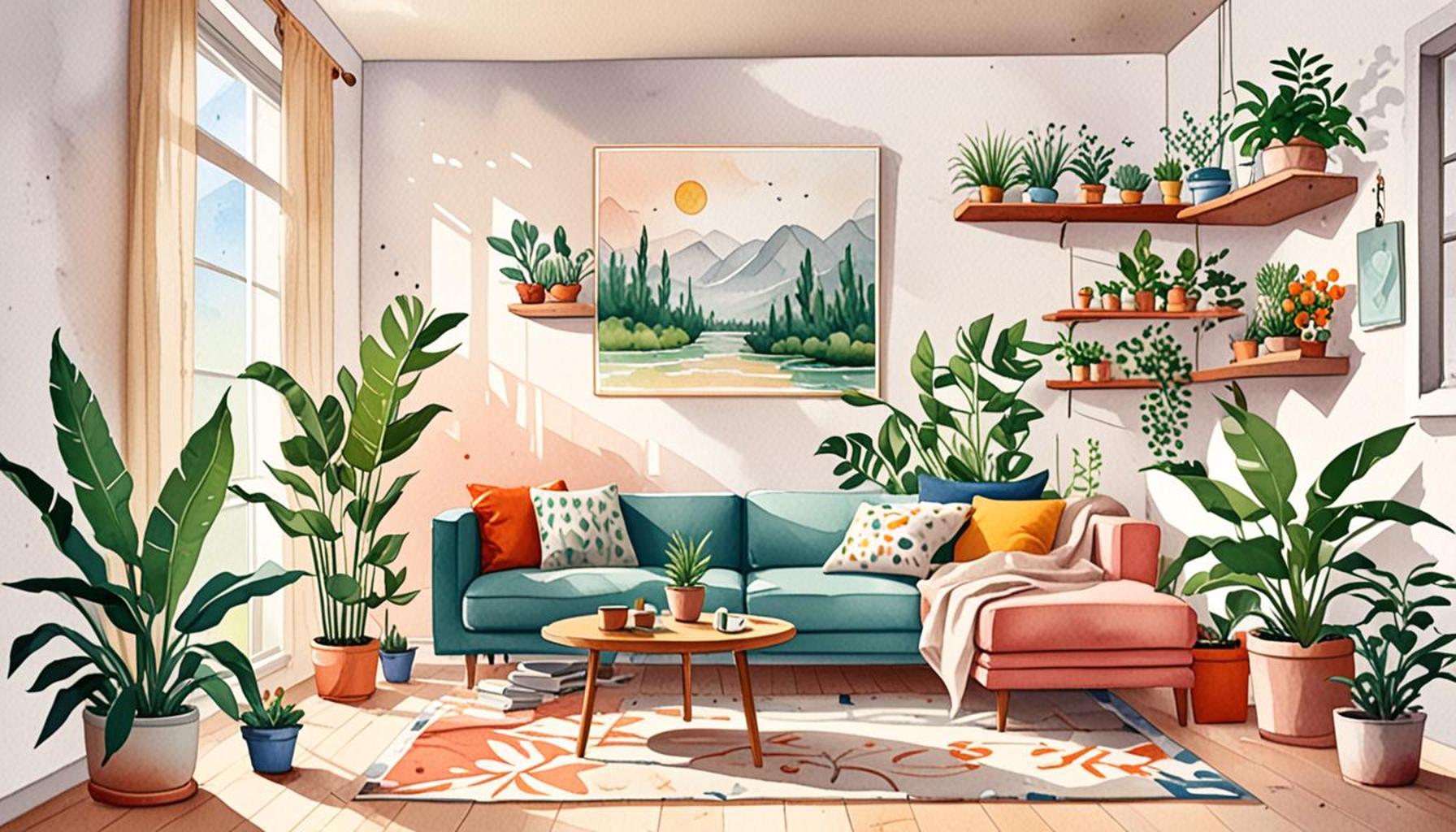
The Allure of Minimalist Living with Nature
In recent years, the allure of minimalist living has captured the hearts of many, particularly in urban environments. Incorporating elements of nature into these minimalist spaces transforms them from sterile to serene, enhancing both aesthetics and functionality. This fusion not only declutters the mind but also revitalizes the spirit.
Why Nature Matters
- Improves Air Quality: Plants naturally filter the air, increasing oxygen levels. Varieties such as the snake plant and peace lily are not only hardy but also effective air purifiers, making them ideal for apartment living.
- Boosts Mood: Greenery has been linked to reduced stress and increased happiness. Studies have shown that simply looking at plants can lower blood pressure and elevate mood, proving that a green touch can significantly enhance our living environment.
- Supports Creativity: A touch of nature can inspire creativity and focus. For instance, workplaces that introduce natural elements often see increased productivity among employees, making plants a smart addition for home office setups.
As more individuals seek to create cozy, inviting homes, simple decor becomes essential. By thoughtfully selecting decor elements, such as:
- Natural materials: Wood and stone foster a connection to nature. Incorporating reclaimed wood furniture not only minimizes environmental impact but also adds unique character to a space.
- Earth-toned palettes: Shades of green, brown, and beige evoke the calming essence of nature. This color scheme can be easily transformed through various accents, from artwork to throw pillows, without overwhelming a room.
- Smartly placed plants: Strategically positioning plants, like a tall fiddle leaf fig in an empty corner or a cluster of succulents on a windowsill, adds life and vibrancy to any space.
These environments can become personal retreats amidst the chaos of daily life. A minimalist approach allows for thoughtful selections where each item serves a purpose, contributing to the overall harmony of the space. By consciously merging nature with minimalist design, one can foster a home that not only looks good but feels good too.
Exploration Ahead
Join us as we delve deeper into how the harmonious blend of plants and simple decor can redefine our living spaces, making them more functional and inviting. Through various interviews with interior designers and botanists, we will explore trending plants and effective decor strategies that embody this fusion. Discover how seasonal changes can influence your decor choices and the best plants to suit your living conditions. The journey toward a minimalist, nature-infused space awaits, guiding you to a sanctuary of tranquility in your very own home.
DISCOVER MORE: Click here to learn how
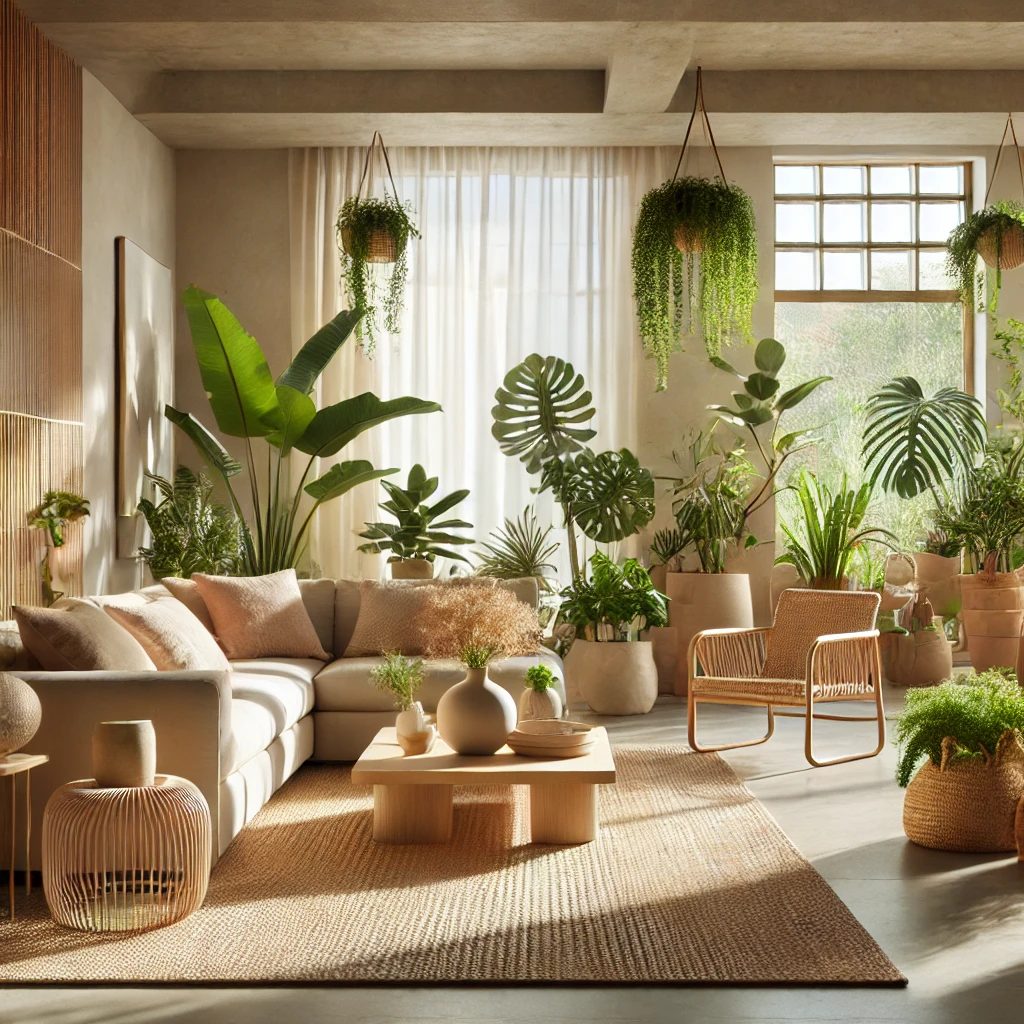
Integrating Nature into Minimalist Design
The infusion of nature into minimalist spaces goes beyond aesthetics—it’s about creating functional environments that foster well-being. As urban dwellers increasingly embrace minimalism, the integration of plants and simple decor becomes essential for crafting spaces that resonate with warmth and comfort. This section explores effective strategies to incorporate natural elements that not only enhance visual appeal but also improve overall livability.
Choosing the Right Plants
When selecting plants for your minimalist space, consider factors such as light availability, space limitations, and maintenance requirements. Here are some popular plant choices that thrive in compact settings:
- Snake Plant: Known for its hardiness and air-purifying capabilities, the snake plant can thrive in low light, making it a perfect choice for bedroom corners or office spaces.
- Pothos: This trailing vine not only adds visual interest but also purifies the air. It requires minimal care and can be placed in hanging planters to save floor space.
- ZZ Plant: With its glossy leaves and ability to tolerate neglect, the ZZ plant is ideal for beginners looking to add greenery without fuss.
These plants serve as both design elements and functional accessories, improving air quality while simultaneously softening sharp lines typical of minimalism. By incorporating a selection of these botanicals, one can easily transform a stark space into a cozy retreat.
Harnessing Natural Light
Natural light plays a crucial role in enhancing minimalist designs infused with nature. Maximizing natural light not only benefits plant health but also elevates the ambiance of the space. Here are practical tips for optimizing light exposure:
- Use sheer curtains: This allows sunlight to filter through while maintaining privacy, creating a warm and inviting atmosphere.
- Position mirrors: Placing mirrors strategically can reflect light and make a space feel larger and more open, which is ideal for small apartments.
- Choose light-colored decor: Earthy tones and brighter shades can amplify the effects of natural light, producing a sense of tranquility.
By prioritizing natural light, homeowners can bring an uplifting quality to their minimalist spaces. The interplay of sunlight and greenery creates an organic connection between indoor environments and the natural world. As a result, this connection can enhance overall mood and productivity, turning a simple living space into a harmonious sanctuary.
Emphasizing Simplicity in Decor
The philosophy of minimalism encourages a less-is-more attitude, reflecting the idea that simplicity leads to greater clarity and focus. In a nature-infused minimalist space, the decor should highlight and complement the plants without overwhelming them. Here are some design elements that promote simplicity:
- Textured fabrics: Incorporating textiles such as linen or cotton in neutral colors can provide warmth and softness while maintaining a minimalist appeal.
- Wood furniture: Furniture made from natural materials, like reclaimed wood, can add character and depth to a room, seamlessly blending with plant life.
- Artistic wall displays: Consider hanging simple, nature-themed artwork that resonates with the colors and textures found in your plants.
By thoughtfully curating decor to echo the organic shapes and colors of plants, homeowners can create a balanced aesthetic that exudes peace and functionality in minimalist spaces. Such a harmonious environment not only cultivates a sense of belonging but also invites moments of reflection and contentment.
The Benefits of Incorporating Plants in Minimalist Designs
Embracing nature within minimalist spaces not only enhances aesthetic appeal but also contributes significantly to the emotional well-being of the inhabitants. Minimalist interior designs that integrate greenery evoke a sense of calm and tranquility, encouraging a more peaceful living environment. This synergy between nature and simplicity fosters a unique ambiance that promotes stress relief and relaxation.
Improved Air Quality
One of the most compelling reasons to include plants in minimalist spaces is their ability to improve indoor air quality. Certain plants, such as snake plants and peace lilies, are renowned for their air-purifying capabilities, removing toxins and releasing fresh oxygen. This creates a healthier living environment and can even enhance productivity and focus.
Visual Harmony and Balance
Incorporating plants into minimalist décor creates visual balance, combining organic shapes with the clean lines of minimalism. This integration not only serves as a focal point but also softens the starkness often associated with minimalist designs. A simple potted plant on a sleek, modern table can make the room feel warmer and more inviting.
Connection to Nature
In a fast-paced, technology-driven world, reconnecting with nature is essential. Surrounding oneself with plants helps individuals feel grounded and connected to their environment. It encourages mindfulness and an appreciation for the beauty and simplicity that nature provides.
Table of Advantages
| Category 1 | Category 2 |
|---|---|
| Air Quality Improvement | Plants like snake plants purify air and release oxygen. |
| Aesthetic Appeal | Integrating greenery softens minimalist designs and enhances visual balance. |
| Emotional Well-being | Creates a peaceful and calming atmosphere, reducing stress. |
Integrating elements of nature into minimalist spaces is profoundly rewarding. As you explore the myriad benefits of greenery and simple decor, consider how even a small addition of plant life can transform your living space into a cozy and functional haven. The impact of nature on minimalist design is truly remarkable, inviting tranquility and comfort into our daily lives.
DISCOVER MORE: Click here for practical tips to reduce stress
The Role of Color and Texture in Minimalist Interiors
In minimalist design, the careful selection of color and texture can significantly impact the overall atmosphere of a space. While the general aesthetic leans towards neutral palettes, the judicious use of natural hues can foster a cozy and inviting environment. Integrating colors inspired by nature, such as greens, browns, and soft beiges, creates a seamless connection with the plant life in the room.
Natural Color Palettes
Choosing a natural color palette can breathe life into a minimalist space. Shades like olive green or sage can mirror the colors of your plants, forging a visual dialogue within the room. Here are some tips for implementing a nature-inspired color scheme:
- Accent walls: Painting one wall in a soft earth tone can provide depth and interest while maintaining the tranquil essence of minimalism.
- Accessories and decor: Incorporate decorative items, such as cushions or throws, that reflect the colors of your plants. This enhances overall cohesion and creates a unified aesthetic.
- Artistic accents: Utilize organic forms in artwork, whether it’s abstract pieces in natural colors or landscapes that evoke a sense of the outdoors.
Texture as a Design Element
Texture adds warmth and sensory appeal to minimalist spaces. The contrast between smooth surfaces and natural textures can make a space feel inviting. Consider these approaches to incorporate texture:
- Natural materials: Include elements like jute rugs, wooden shelves, or woven baskets to create interest without cluttering the space.
- Layered textiles: By layering various fabrics—like a soft cotton throw over a linen armchair—you can achieve a cozy feel that complements the minimalist ethos.
- Varied plant textures: Mixing plants with diverse leaf shapes and sizes can introduce visual complexity while maintaining simplicity in design.
Through the integration of color and texture, homeowners can achieve a balanced environment that feels at once refined and comfortable. This duality is central to the minimalist approach, which prioritizes open spaces while accounting for the tactile and visual aspects that make a home inviting.
The Psychological Benefits of Nature in Minimalist Spaces
Psychological studies have increasingly indicated that exposure to nature leads to improved mental well-being. In minimalist spaces, where simplicity reigns supreme, the inclusion of plants can profoundly influence one’s mood and cognitive function. Scientific research highlights several ways this connection can enhance the living experience.
Reducing Stress and Increasing Focus
Plants have been shown to lower stress levels and promote a sense of calm. With fewer distractions often associated with a minimalist lifestyle, the addition of greenery can serve as a focal point for contemplation. Here are benefits supported by recent studies:
- Aiding concentration: Research suggests that the presence of plants can enhance creative thinking and concentration. A study from the University of Exeter discovered that individuals working in green environments reported being 15% more productive.
- Enhancing mood: The act of nurturing plants offers a therapeutic effect, fostering feelings of responsibility and care, which are linked to increased happiness.
- Reduced fatigue: Natural elements in workspaces can rejuvenate energy levels, decreasing feelings of fatigue during long hours spent indoors.
By acknowledging the psychological dimensions of incorporating nature, homeowners can design spaces that not only reflect personal style but also support emotional health. These benefits echo the principles of minimalism, which advocate for a simplified, enriched lifestyle through thoughtful design choices.
DISCOVER MORE: Click here to learn about conscious consumption
Conclusion: Embracing Nature in Minimalist Design
Incorporating nature into minimalist spaces offers a transformative approach to home design that balances simplicity with warmth. The synergy between plants and simple decor not only enhances aesthetic appeal but also promotes psychological well-being, making living environments more functional and inviting. The use of natural colors and textures creates visual harmony, allowing for a seamless connection between the indoor space and the natural world outside.
The psychological benefits of integrating greenery are profound—lowering stress, boosting concentration, and enhancing overall mood. As research highlights, a mere presence of plants can increase productivity and contribute to a sense of rejuvenation, providing both mental clarity and emotional relief. This makes a compelling case for adopting nature-inspired designs in homes and workspaces alike.
In essence, the impact of nature on minimalist interiors is a reminder that design should serve to enrich our lives and enhance our environments. By prioritizing elements that convey serenity and focus, homeowners can cultivate spaces that reflect not only personal style but also resonate with the soothing qualities of the natural world. As we continue to explore ways to enhance our living spaces, the intersection of nature and minimalism presents an intriguing pathway to create cozy, functional sanctuaries that elevate the everyday experience.