The Impact of Simplified Living on Personal Relationships: How Less Material Possessions Can Strengthen Connections

Exploring the Essence of Connection
In a fast-paced world filled with material distractions, the concept of simplified living has emerged as a transformative lifestyle choice. Many people are discovering that by reducing their possessions, they can enhance their personal relationships in meaningful ways. The practice of minimalism encourages individuals to evaluate what they truly need and cherish, thereby promoting connections that are more profound and fulfilling.
Consider these pivotal aspects of simplified living:
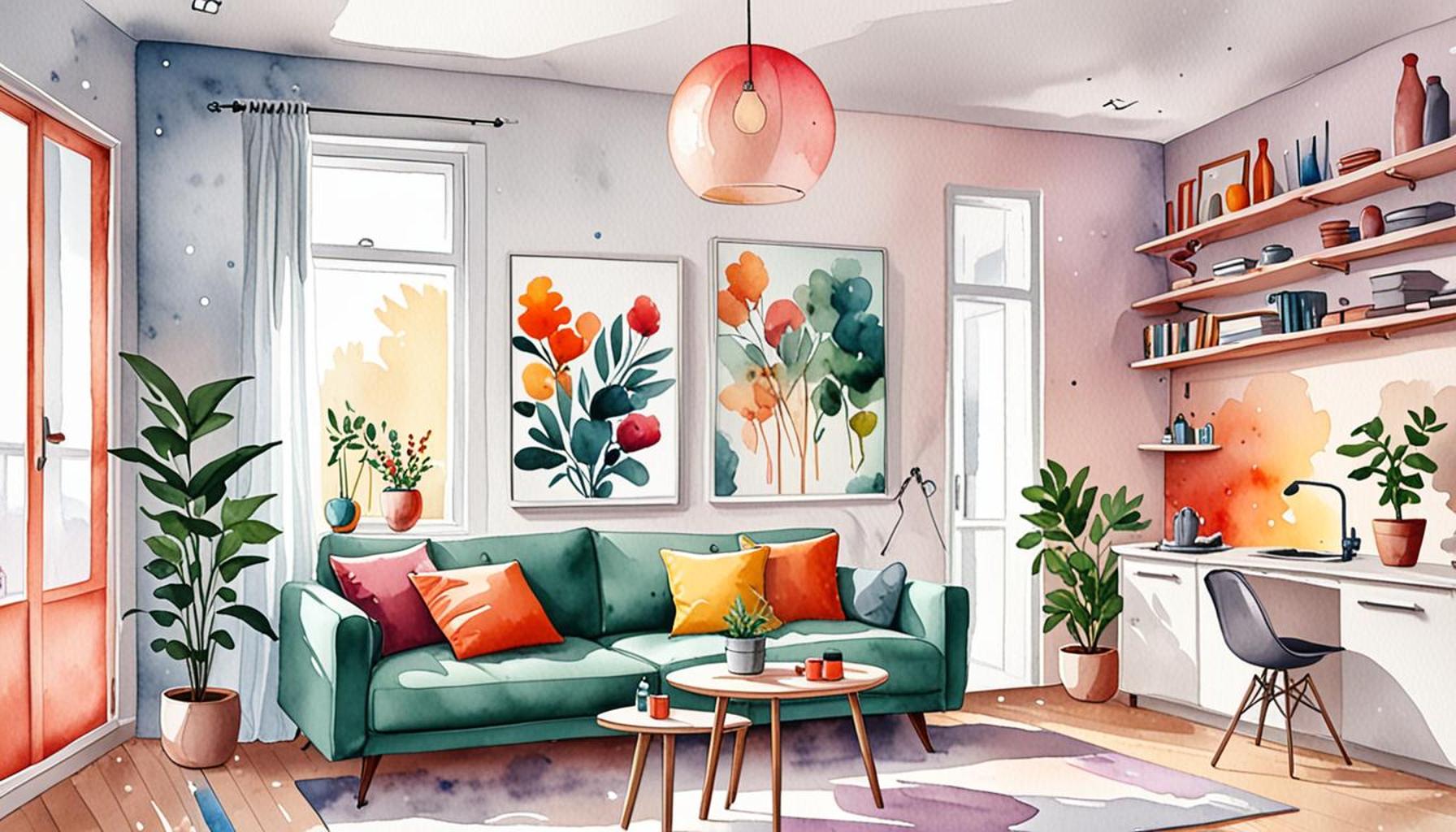
- Less Clutter: A decluttered environment fosters a more inviting atmosphere for gatherings and conversations. Imagine hosting a dinner party in a space that feels open and calm, where guests can engage with one another without being distracted by excessive decor or disorganization. A clean space allows for clear communication and connection, and it can significantly affect the mood of interactions.
- Improved Focus: Paring down materialism allows individuals to prioritize relationships over things. By focusing on spending quality time with loved ones rather than acquiring new gadgets or items, people can cultivate deeper bonds. For instance, setting aside tech devices during a family meal can encourage meaningful dialogue, leading to a more engaged and present experience.
- Shared Experiences: Simplification can lead to more enriching, experience-focused connections with loved ones. Activities such as hiking, cooking together, or attending local events tend to foster a sense of community and shared joy. These moments can become cherished memories that last far longer than any material possession ever could.
Numerous studies indicate that both emotional and psychological benefits arise from cultivating such a lifestyle. For instance, one study conducted by researchers at the University of Utah suggests that couples who engage in shared decluttering processes report higher satisfaction in their relationships. The process of working together toward a common goal fosters teamwork and enhances communication, allowing couples to express their needs and desires openly.
These changes may lead to a deeper understanding of what truly matters, shifting the focus from possessions to people. As individuals embrace this approach, they also open the door to more authentic connections. Communities throughout the United States, such as those participating in “Buy Nothing” groups, illustrate this phenomenon, where sharing within the local community replaces consumerism and emphasizes support for one another.
Ultimately, the journey toward simplified living encourages a powerful re-evaluation of personal values. As we delve deeper into this topic, we’ll explore how less truly can become more in the realm of personal relationships, inviting readers to reflect on their own lives and consider what they can simplify to enhance their connections. By embracing less, individuals can indeed experience the richness of more—more time, more laughter, and more love.
DISCOVER MORE: Click here to unlock the secrets of productivity
Reconnecting Through Reduced Distractions
As we journey deeper into the practical implications of simplified living, it becomes increasingly clear that the approach we take toward our material possessions plays a pivotal role in reshaping our personal relationships. The practice of minimizing clutter does not just create physical space; it paves the way for emotional and mental clarity that can significantly enhance our interactions with others.
One of the most immediate benefits of simplified living is the enhanced ability to engage in mindful communication. When our physical spaces are decluttered, we find ourselves becoming less distracted. A study by the American Psychological Association highlights that individuals who maintain organized environments often experience lower levels of stress and anxiety. Consequently, when we eliminate distractions and prioritize meaningful interactions, we can engage in conversations that are deeper and more significant.
But how can simplified living directly contribute to richer relationships? Here are some key aspects to consider:
- Intentional Time Together: Simplifying one’s life often leads to a conscious decision to prioritize relationships over material acquisitions. This intentional time spent together fosters stronger connections. Families that designate tech-free evenings to engage in board games or storytelling find that these times become treasured traditions, replacing material gifts with cherished memories.
- Collaboration and Teamwork: Simplification often requires collaboration, particularly in shared living situations. Working together to declutter and organize can strengthen teamwork and communication. Couples who tackle this challenge often report feeling more connected as they set mutual goals and work toward a shared vision for their living environment.
- Creating Lasting Memories Instead of Accumulating Possessions: Simplified living encourages individuals to invest in experiences rather than things. Whether it’s planning a weekend camping trip or exploring local cultural events, engaging in activities as a unit creates memories that bind families and friends together, deepening their bond over time.
These actions not only enhance the emotional fabric of relationships but also significantly transform families and friendship dynamics. By fostering an atmosphere where genuine connection is prioritized over the latest trends or gadgets, individuals can nurture a supportive network that thrives on shared experiences and mutual understanding.
Moreover, the ripple effects of simplified living extend beyond just personal relationships. Communities are increasingly becoming supportive hubs where individuals embrace a culture of sharing and collaboration. Neighborhood exchanges, such as tool libraries or community potlucks, echo this sentiment, reinforcing the idea that less can indeed lead to more—more interaction, more support, and more connection. As we delve further into the essence of simplified living, it becomes evident that the less tangible but far more substantial gains are what enrich our lives, weaving a tapestry of meaningful relationships that can withstand the test of time.
| Category | Description |
|---|---|
| Quality Time | Focusing on essential relationships leads to deeper connections and memorable experiences. |
| Emotional Clarity | With fewer distractions, individuals can express their emotions more freely, facilitating open communication. |
| Shared Values | Embracing simplified living aligns partners and friends on common goals, reinforcing bonds. |
| Stress Reduction | Less clutter leads to lower stress levels, creating a more harmonious home environment which fosters relationship growth. |
Embracing simplified living not only alters our physical surroundings but profoundly affects our interpersonal dynamics. The shift from valuing possessions to treasuring experiences brings about a transformation in how we engage with those around us. As relationships flourish through shared activities—whether it’s enjoying a quiet dinner or exploring nature—connections deepen by nurturing vulnerability and authenticity.A crucial element in this transition is emotional clarity. With distractions minimized, individuals find it easier to articulate their feelings and thoughts, paving the way for more profound and honest conversations. This shift encourages intimacy and trust, which are foundational to any successful relationship.Moreover, shared values come into play as couples and friends unite over the idea of simplification. This alignment fosters teamwork and reinforces commitment, further solidifying their bonds. Couples often discover that the very act of decluttering their lives opens up space for new experiences, ultimately fortifying their connection.
DISCOVER MORE: Click here to learn about the art of minimalism
Fostering Empathy and Understanding Through Simplification
As we continue to explore the transformative journey of simplified living, we cannot overlook the profound effects this lifestyle can have on empathy and understanding within our personal connections. By letting go of the excess, individuals often find themselves more open and receptive not only to their surroundings but also to the emotions and experiences of those they care about.
Simplified living encourages a mindset that values mindfulness over materialism. A report from the Journal of Happiness Studies indicates that individuals who engage in experiences of gratitude—often a byproduct of simplifying their lives—report stronger emotional bonds with friends and family. As we pare down our possessions, we also begin to appreciate the value of what really matters: the people who share our lives. This appreciation goes hand-in-hand with greater emotional intelligence, as it allows us to tune into others’ feelings and needs with greater clarity.
Moreover, when individuals embrace a life with fewer distractions, they create a space for active listening. This skill is critical in fostering empathy and understanding in relationships. Consider the scenario of a family dinner devoid of devices; this setting cultivates an atmosphere where everyone feels heard and valued. A study conducted by the University of California shows that family meal times lead to deeper conversations, contributing significantly to the emotional security of children and enhancing adult partnerships alike.
Certainly, there is an aspect of shared struggles that can further strengthen personal bonds. Decluttering can be daunting, and facing this challenge together can create a unique understanding among those involved. Whether it’s siblings helping each other or couples working through their collective belongings, navigating this process illustrates the importance of teamwork. This unity can intensify the emotional bonds forged during shared labor and even acts of vulnerability, as individuals reveal their attachments to possessions and the stories tied to them.
Additionally, the impact of simplified living can extend to enhancing conflict resolution skills among loved ones. With less physical clutter in their lives, individuals often experience a diminished sense of overwhelm, which can lead to clearer thinking during disagreements. When tensions arise, a clutter-free environment fosters calmer discussions, enabling more productive dialogues rather than emotional outbursts. A survey conducted by the American Psychological Association finds that couples who report lower levels of household stress have significantly fewer conflicts and better strategies for resolution.
The energy saved from focusing less on material accumulation opens doors for genuine relationship nurturing activities. Engaging in projects such as volunteering together or participating in communal living initiatives promotes stronger community ties, which spill over into personal relationships. According to a survey by the National Institute of Family and Life Advocates, families that engage with their communities through acts of kindness often report not only stronger family bonds but also expanded social networks that create a robust support system.
Ultimately, the ripple effect of simplified living demonstrates the intricate link between our lifestyles and our interpersonal dynamics. By shedding the unnecessary, we pave the way for deeper connections, heightened empathy, and a more satisfying life enriched by valuable relationships. This evolution towards simpler living has the potential to redefine our interactions, creating transformation not just within our homes but in our hearts as we embody the true essence of connection.
EXPLORE MORE: Click here for expert storage tips
Conclusion: Embracing Simplicity for Stronger Bonds
In a world increasingly dominated by consumerism, the pursuit of simplified living emerges as a powerful antidote to the chaos of material accumulation. This lifestyle shift not only encourages individuals to declutter their spaces but also to reevaluate their priorities and the impact of their possessions on their personal relationships. As we’ve explored,reducing physical clutter allows for a clearer mental space, fostering deeper connections and enriching emotional intelligence.
More than just a trend, simplified living invites us to engage in meaningful interactions, nurtured by empathy, active listening, and shared experiences. As evidenced by various studies, families who prioritize quality time free from distractions tend to cultivate stronger emotional bonds, paving the way for healthier communication and conflict resolution strategies. By facing the challenges of decluttering together, couples, families, and friends not only alleviate stress but also strengthen their resilience and teamwork.
Moreover, simplified living encourages a greater sense of gratitude and appreciation for the relationships that truly matter. With less focus on material possessions, individuals find time to invest in activities that build community ties and foster collective well-being. As families volunteer together or engage in communal living initiatives, they experience the tangible benefits of support networks that extend beyond the confines of their homes.
In essence, the path to stronger connections lies in our ability to embrace simplicity. By prioritizing relationships over possessions, we empower ourselves to create a more fulfilling and interconnected life. The journey towards simplified living unfolds a new layer of intimacy and understanding, highlighting the profound impact of our choices on the fabric of our personal relationships. As we continue this journey, it becomes increasingly clear that a minimalist approach not only liberates us from excess but also brings us closer to the essence of human connection.