The Influence of Minimalism in Architecture: Projects that Optimize Spaces and Reduce Waste

The Shift Towards Minimalism in Architecture
In recent years, architecture has seen a transformative shift towards minimalism, emphasizing simplicity and sustainability. This movement prioritizes efficiency, creating environments that are not only aesthetically pleasing but also environmentally responsible. The principles of minimalism encourage the use of space and materials in a way that reduces waste while promoting a mindful approach to design.
Key Features of Minimalist Architecture
Minimalist architecture is characterized by several defining elements that set it apart from more traditional design philosophies. Understanding these features can provide insight into how minimalism redefines spaces.
- Open spaces: Minimalist architecture relies heavily on open floor plans that allow for seamless movement and interaction. Large windows and unobstructed views invite natural light into the home, creating an airy feeling and enhancing the perception of space. For instance, in homes like the Glass House in Connecticut, walls of glass dissolve the boundaries between indoors and outdoors, effectively blending the two.
- Functional design: In minimalism, every element serves a purpose. This principle minimizes excess and focuses on functionality. For example, furniture pieces are often multi-functional, like a sofa that converts into a guest bed, which supports a clutter-free environment by eliminating unnecessary items.
- Sustainable materials: The movement promotes the use of eco-friendly resources, such as reclaimed wood, bamboo, or recycled steel. These materials not only lessen environmental harm but often age beautifully, adding character to a structure while promoting a sustainable lifestyle.
Notable Examples of Minimalist Architecture
Across the United States, notable examples illustrate the successful application of these minimalist principles. The Farnsworth House, designed by Mies van der Rohe in Illinois, exemplifies a relationship with nature through its simplistic, glass-encased structure. Its design encourages residents to embrace the surrounding landscape, demonstrating how architecture can enhance personal experience and promote tranquility.
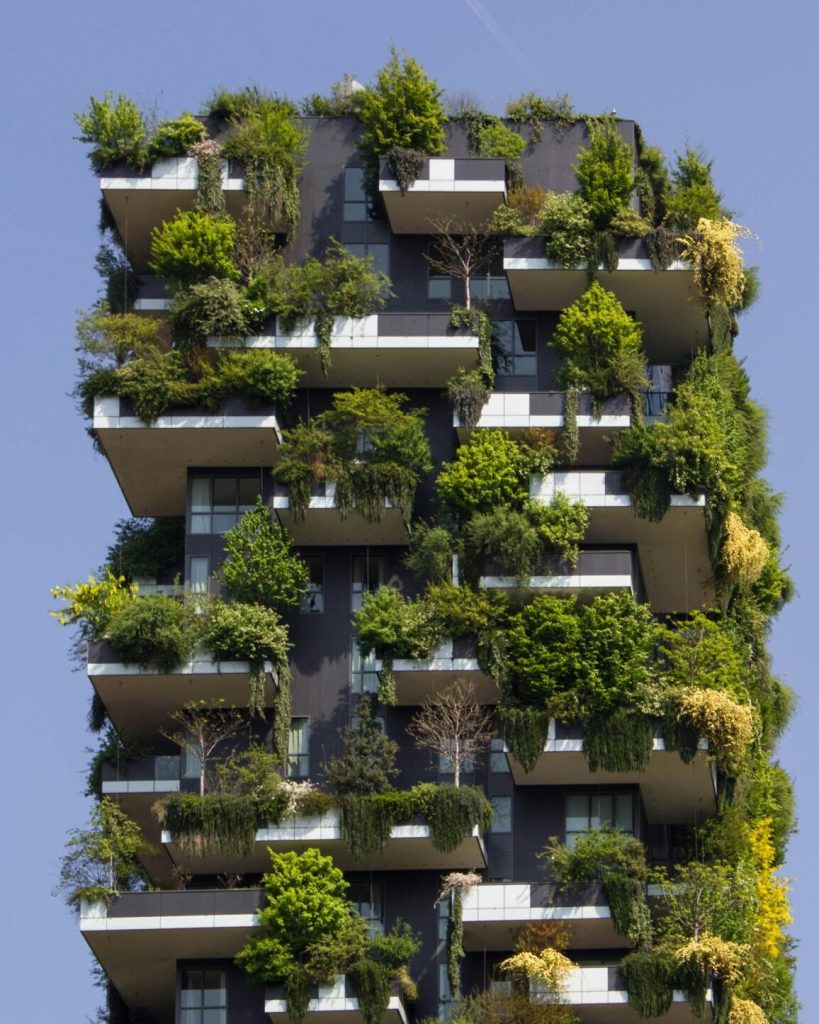
Other examples include the sleek, modern designs found in urban areas such as San Francisco and Chicago, where architects creatively tackle small lot sizes with innovative minimalist designs. Such projects often feature green roofs and urban gardens, further enhancing their sustainability.
Conclusion: A Holistic Approach to Living
This exploration into the influence of minimalism reveals not just aesthetic choices but a commitment to creating efficient, sustainable living spaces. As architects and designers embrace this philosophy, they invite us to rethink how we occupy and interact with our environments. It challenges us to live more thoughtfully, reducing excess not just in our homes but also in our lives.
As minimalism continues to evolve, it will undoubtedly shape urban landscapes and individual lifestyles in profound ways. By examining innovative minimalist projects, readers can appreciate how this movement is not merely a trend but a meaningful response to contemporary living, encouraging a profound respect for our planet.
DISCOVER MORE: Click here to learn about minimalism’s impact
Embracing the Minimalist Mindset
The influence of minimalism in architecture extends beyond aesthetic choices to touch on deeper philosophies of living. As the urban landscape becomes increasingly crowded, architects and designers are rethinking the purpose of space and how it is utilized. This progressive mindset not only fosters an efficient use of resources but also promotes a holistic approach to living that resonates deeply with contemporary societal values.
One of the most striking facets of minimalist architecture is its emphasis on decluttering spaces to enhance functionality and reduce waste. This approach encourages both architects and homeowners to question what is truly necessary in a built environment. By stripping away the non-essential, minimalist designs provide clarity and focus, allowing inhabitants to connect with their surroundings more profoundly.
Core Principles of Space Optimization
Designers who adopt minimalist principles often base their projects on several core tenets, which can be broken down as follows:
- Adaptability: Minimalist designs aim to create flexible spaces that can evolve with the needs of their occupants. For instance, a room may serve multiple functions, such as a workspace during the day and a relaxing area in the evening. This adaptability reduces the need for additional square footage while enhancing the livability of smaller homes.
- Natural light: One of the most powerful tools in minimalist architecture is the strategic use of natural light. Designers prioritize large windows, skylights, and open layouts to bathe spaces in sunlight, which not only creates an uplifting atmosphere but reduces reliance on artificial lighting, thus promoting energy efficiency.
- Integration with nature: Minimalism often strives for a symbiotic relationship between architecture and the natural environment. Projects that include outdoor spaces, such as patios or gardens, blur the lines between inside and outside, enhancing the overall experience and connection to nature.
As the reverberations of the minimalist movement become palpable across various US cities, it finds unique expressions. In California, for example, architects have revolutionized small homes by utilizing tiny house designs that maximize utility while minimizing resource consumption. In cities like New York, historic brownstones are being reimagined through minimalistic renovations that maintain their original charm while enhancing functionality and eco-friendliness.
These case studies illuminate the broader implications of adopting minimalist principles in architecture. By integrating simplicity and sustainability, architects are not only creating beautiful structures but are also championing a movement that resonates with a growing awareness of environmental responsibility. In doing so, they facilitate a dialogue about how spatial design can adapt to the pressing challenges of our modern world, leading to an increase in both space optimization and waste reduction.
In the realm of architecture, minimalism has emerged as a profound force, reshaping not just the aesthetics but also the functional use of space. One of the most compelling aspects of minimalistic design is its inherent capability to optimize spaces. By focusing on simplicity and eliminating the unnecessary, architects create environments that are not only visually striking but also highly efficient. For example, open floor plans and multifunctional furniture allow residential and commercial areas to serve more diverse purposes, significantly increasing usability without the requirement for additional square footage.
Furthermore, the commitment to minimalism extends beyond mere aesthetics into the realm of sustainability. Minimalistic architectural projects often champion waste reduction, utilizing fewer materials while maintaining structural integrity. This approach can lead to substantial reductions in both the environmental footprint and construction costs. Architects like Tadao Ando and Karen Blixsen exemplify this ethos through their innovative use of concrete and reclaimed materials, demonstrating that beauty and efficiency can coexist harmoniously.
Moreover, the trends of the modern era push for the integration of technology and minimalism. Smart home solutions and energy-efficient designs not only streamline living but also promote a sustainable lifestyle that diminishes resource consumption. This movement toward minimalism aligns with global efforts to combat climate change, as every square foot optimized is a step towards responsible consumption and better urban planning.
| Advantage | Description |
|---|---|
| Space Optimization | Minimalism promotes open layouts and multifunctional spaces, enhancing usability. |
| Waste Reduction | Utilization of fewer materials results in lower environmental impacts and costs. |
As minimalism continues to permeate architectural practice, its influence is not only evident in how spaces are designed but also in how they function in relation to the individual’s lifestyle and the environment. Embracing simplicity can pave the way for innovative practices that prioritize sustainability and efficient use of resources.
DISCOVER MORE: Click here to enhance your digital organization
Innovative Minimalist Projects Shaping Modern Skylines
As minimalist architecture steadily gains traction, several innovative projects exemplify its deep-seated principles of space optimization and waste reduction. These constructions not only showcase the aesthetic appeal of simplicity but also underline the potential for environmental sustainability within urban settings. Architects are now envisioning spaces that resonate with both individual needs and broader ecological considerations.
Case Studies Highlighting the Minimalist Ethos
Take, for instance, the Micro-Unit Housing movement, which has made a significant impact in several metropolitan areas across the United States, particularly in cities grappling with housing shortages. Micro-units typically range from 200 to 400 square feet, providing efficient living quarters while incorporating smart design elements that maximize functionality. These units feature multi-purpose furniture and open floor plans, allowing for maximum usage of the limited space without compromising on comfort or style. A prime example can be found in New York City’s Via Verde project, which combines affordable housing with sustainable design, demonstrating that even the smallest living spaces can foster a sense of community.
Furthermore, the rise of sustainable materials in minimalist architecture plays a crucial role in reducing environmental impact. Architects are increasingly opting for locally sourced, recycled, or repurposed materials that not only lower the carbon footprint of construction but also reflect the surrounding environment. This method keeps resources in circulation, minimizing landfill waste and highlighting ecological consciousness. The Brewery Blocks in Portland, Oregon, is a transformative urban redevelopment that exemplifies this trend. This project involved the adaptive reuse of historic brewery buildings, creating a vibrant mixed-use community, while retaining the original materials and charm of the structure.
Technological Innovation Meets Minimalist Design
The intersection of technology and minimalist design further amplifies the potential for optimizing space and reducing waste. Smart home technology, such as automated lighting and climate control systems, plays a significant role in a sustainable lifestyle by optimizing energy consumption. Projects like The Edge in Amsterdam—while not in the U.S., it remains a benchmark—demonstrate how technology can create a fully integrated environment that supports minimalism. With an emphasis on energy efficiency and communal spaces, The Edge boasts features like solar panels and green roofs, promoting a lifestyle that is not only stylish but also responsible.
Moreover, the concept of deconstruction is making waves in minimalist architecture. Rather than demolishing structures, some architects are advocating for the thoughtful disassembly of buildings. Through deconstruction, valuable materials can be salvaged and reused in new projects, aligning perfectly with the core tenets of minimalism. This method not only minimizes construction waste but also paves the way for a circular economy in architecture, emphasizing sustainability as a foundational aspect of design.
As these examples illustrate, the application of minimalism in architecture is fostering a new narrative in urban planning and design. There is a profound shift towards creating spaces that are not just habitations but extend into the ethos of being responsible stewards of the environment. These pioneering projects inspire a growing movement toward architecture that prioritizes longevity, efficiency, and sustainability, reflecting a collective aspiration for a better, more harmonious way of living in our bustling cities.
DISCOVER MORE: Click here for practical tips
Transforming Urban Landscapes through Minimalism
In conclusion, the influence of minimalism in architecture is revolutionizing the way we perceive and design our urban environments. As cities across the United States face ongoing issues of space constraints and environmental degradation, minimalist design principles offer innovative solutions that optimize space and significantly reduce waste. By focusing on functionality and sustainability, projects such as micro-unit housing and the adaptive reuse of existing structures present compelling examples of how communities can thrive without compromising on modern living standards.
The adoption of sustainable materials and smart technologies further enhances the appeal of minimalist architecture, demonstrating that style and responsibility can coexist harmoniously. These projects encourage us not only to think about how we inhabit spaces but also how our architectural choices impact the planet. They serve as vital reminders of the importance of creating spaces that are environmentally conscious, economically feasible, and socially enriching.
As architects, builders, and urban planners embrace the ethos of minimalism, the future promises a transformative approach to living in densely populated areas. By prioritizing designs that celebrate simplicity and sustainability, we pave the way for a new architectural narrative—one that reflects our collective commitment to a more efficient, green, and impactful existence. To explore these trends further, consider how minimalism is shaping not just the buildings we live in, but the very fabric of our urban landscapes, fostering a harmonious balance between nature, community, and innovation.