The Integration of Minimalism in Interior Design Projects: Creating Spaces that Reflect Simplicity and Functionality
Understanding Minimalism in Interior Design
Originating in the mid-20th century, minimalism has evolved into a prominent style in interior design, capturing the essence of simplicity while effectively meeting functional needs. The principle of less is more advocates for the removal of unnecessary clutter, ushering in a sense of peace and clarity in living and working environments. This design philosophy encourages individuals to create spaces that not only look aesthetically pleasing but also enhance their everyday experiences.
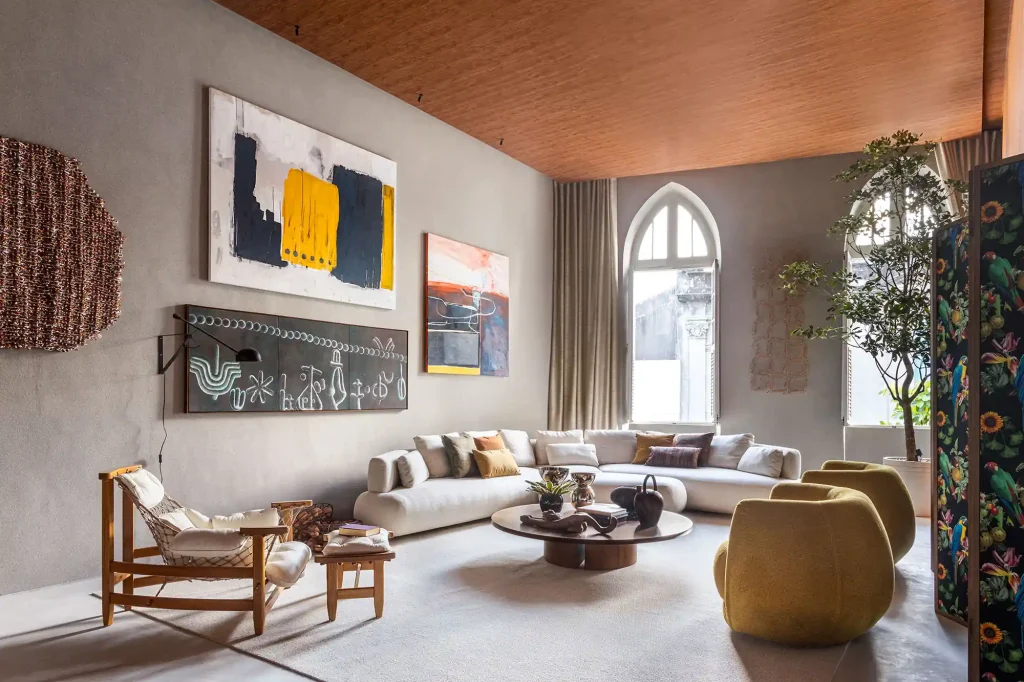
Minimalist design encompasses a variety of features that contribute to its unique appeal. For instance, the use of neutral color palettes is crucial in establishing a calm ambiance. Shades of white, gray, beige, and earthy tones create a serene foundation, allowing other design elements to shine without overwhelming the space. One might consider a living room painted in soft dove gray, complemented by white trim and a few carefully selected decorative items that pop against the subdued backdrop.
Another hallmark of minimalism is the incorporation of natural materials like wood, stone, and glass, which lend warmth and texture to otherwise stark interiors. Imagine a sleek kitchen featuring a polished marble countertop accented with wooden shelves—this juxtaposition not only invites tactile interest but also connects the indoors with the outdoors, promoting a more organic lifestyle.
Open spaces are a defining characteristic of minimalist design, enhancing both the flow of natural light and the overall sense of wellbeing. An open-concept floor plan allows for versatility and a seamless transition between areas, fostering a sense of unity. Homes featuring large windows or glass doors that invite outdoor views are particularly effective at merging indoor and outdoor environments while maximizing brightness throughout the day.
As minimalism continues to gain traction among homeowners and designers, the practical application of these principles becomes increasingly relevant. Achieving a minimalist environment involves a thoughtful selection of essential elements, prioritizing functionality over mere decoration. For instance, selecting a single statement piece—like a striking sculpture or a statement chair—can infuse a space with personality without the clutter.
This exploration of minimalism in interior design serves as a guide to understanding its lasting influence on contemporary settings. With the right balance of simplicity and essentiality, anyone can create spaces that reflect their personal style while promoting a sense of calm. By embracing these principles, individuals can transform their homes into tranquil retreats that encourage mindfulness and ease, inviting a lifestyle that truly values simplicity.
Thus, as we delve deeper into this fascinating aspect of design, we discover the profound impact that a minimalist approach can have—not just on aesthetics, but on our overall state of mind and well-being. From essential design choices to innovative storage solutions, minimalism offers fertile ground for creativity and personal expression.
DISCOVER MORE: Click here for clever storage solutions
Embracing Simplicity: Key Components of Minimalist Interior Design
The allure of minimalism lies in its ability to create harmonious environments characterized by an uncluttered aesthetic and purposeful design. This approach transcends mere visual appeal; it embodies a lifestyle choice that prioritizes functionality and well-being. To effectively integrate minimalism into interior design projects, it is essential to consider several core components that serve as the foundational elements of this philosophy.
Firstly, functional furniture takes center stage in minimalist design. The use of versatile pieces that serve multiple purposes is vital in maximizing space without compromising on style. For example, a streamlined sofa bed can function effectively as both a seating area and a sleeping space, making it an exemplary choice for small apartments or multipurpose rooms. Similarly, nesting tables can provide flexible surfaces when needed while being easily tucked away to maintain an airy atmosphere.
Another critical aspect that enhances the minimalist ethos is thoughtful storage solutions. Clutter can quickly diminish the serenity that minimalism aims to achieve. Thus, incorporating smart storage options is imperative. Consider the following strategies:
- Built-in cabinetry: Custom cabinetry allows for the seamless integration of storage into the architecture of the home, reducing visible clutter and promoting a clean look.
- Hidden compartments: Furniture with hidden compartments, such as ottomans or coffee tables with storage, can create discreet spaces for stowing away everyday items.
- Multi-use furniture: Items like benches with storage space beneath not only provide additional seating but also help keep spaces tidy.
Furthermore, the importance of lighting in minimalist design cannot be overstated. Natural light is a hallmark of minimalist spaces, enhancing the perception of openness and clarity. Large windows that flood rooms with daylight play a crucial role in inviting warmth and positivity into a space. In addition to harnessing natural light, incorporating sleek, unobtrusive light fixtures—such as recessed lighting or pendant lamps with simple lines—can complement the minimalist aesthetic while providing functional illumination.
Lastly, the concept of personal curation in minimalism emphasizes the value of each item within a space. Rather than displaying numerous decorative items, minimalism encourages the selection of a few significant pieces that resonate personally. This curated approach not only serves to create focal points within a room but also shifts the focus toward deeper appreciation of each object’s beauty and function.
By understanding and implementing these essential components of minimalist interior design, homeowners and designers alike can create spaces that embody a sense of calm and clarity. Through the marriage of simplicity and practicality, interiors can be transformed into serene sanctuaries that promote comfort and foster mindfulness in daily living.
The Integration of Minimalism in Interior Design Projects: Creating Spaces that Reflect Simplicity and Functionality
The concept of minimalism transcends mere aesthetics; it embodies a lifestyle choice that prioritizes clarity and purpose within living and working spaces. By eliminating unnecessary elements, minimalism in interior design promotes a sense of calm and organization, which can greatly enhance the quality of life. This simplicity creates environments that are not only visually appealing but also highly functional. As we explore further, let us delve into the specific advantages of integrating minimalism into interior design, as reflected in the table below.
| Category | Advantages |
|---|---|
| Space Efficiency | Maximizes spatial potential by using strategic placement of essential items. |
| Aesthetic Appeal | Emphasizes clean lines and simplified layouts, enhancing visual tranquility and appreciation of space. |
This foundational understanding of minimalist design principles reveals how such an approach can dramatically transform interior spaces into havens of simplicity and functionality. By concentrating on essential elements and decluttering excess, not only do these designs promote a clear and peaceful environment, but they also encourage healthier living through improved focus and well-being. These features spark curiosity about the profound impact minimalism can have on both residential and commercial interiors, leading us to explore further the practical applications of this design philosophy.
DISCOVER MORE: Click here to learn how mindful consumption can elevate your personal organization
Creating an Inviting Atmosphere: Textures, Colors, and Nature in Minimalism
As minimalism continues to influence contemporary interior design, additional layers of visual and sensory appeal emerge through the thoughtful use of textures and color. While minimalist spaces are often characterized by muted color palettes, the strategic introduction of varied textures can create depth and interest without overwhelming simplicity. For instance, a neutral room might incorporate a mix of matte and glossy finishes—think a sleek concrete floor coupled with soft organic cotton throws. Each texture invites the eye to explore the space, fostering a tactile connection that enhances the minimalist ethos.
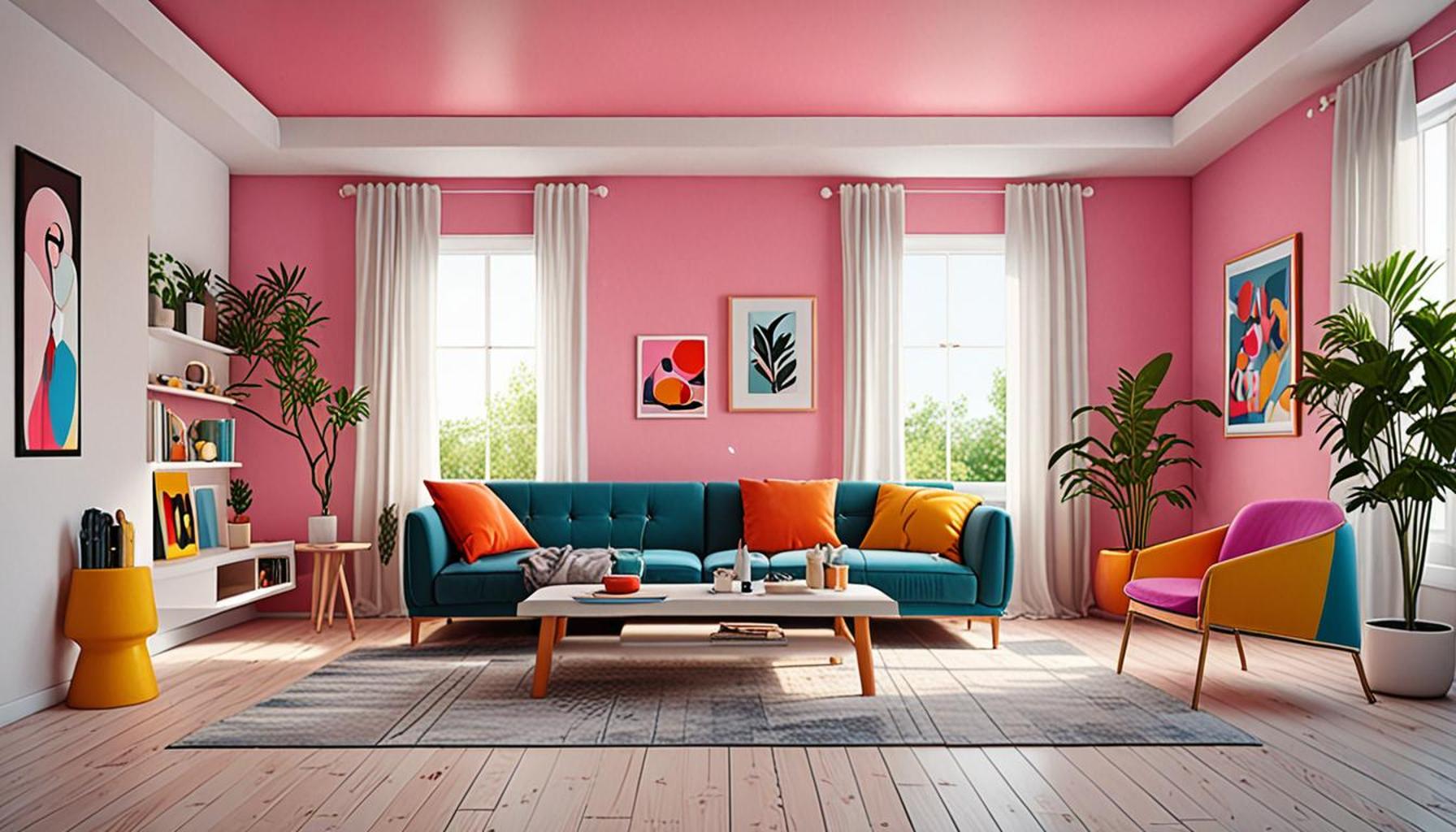
When it comes to color, the power of a limited palette should not be underestimated. Designers commonly opt for whites, creams, and subtle earth tones that evoke a sense of calm. However, the use of an accent color can provide warmth and personality to a minimalist room. Bold colors in abstract art pieces, throw pillows, or a single feature wall can serve as a striking focal point while remaining consistent with the overall minimalist aesthetic. Such thoughtful additions provide a rich contrast that draws attention without detracting from the simplicity of the design.
Bringing the Outdoors In: The Role of Nature
Moreover, the trend of incorporating natural elements into minimalist interiors is gaining momentum. Biophilic design, which emphasizes the connection between people and nature, aligns closely with minimalist principles. By integrating plants, natural materials like wood and stone, and ample natural light, designers not only create an inviting atmosphere but also foster a sense of well-being and tranquility. Strategically placed greenery, such as a potted fiddle leaf fig or hanging succulents, can breathe life into a room while adhering to minimalist aesthetics.
It’s also worth noting the impact of using sustainable materials in minimalist design. Environmentally friendly options, such as reclaimed wood or recycled metals, can be seamlessly integrated into a minimalist project, celebrating both simplicity and sustainability. Designers in the United States are increasingly drawn to materials that not only reduce environmental impact but also tell a story, adding meaning to the minimalist approach and ensuring that each piece is chosen with intention.
Open Spaces and Flow: The Importance of Spatial Layout
The layout of a space plays a crucial role in enhancing its minimalist characteristics. An open floor plan encourages flow and connectivity, allowing natural pathways that promote movement and interaction. For example, merging the kitchen and living room can create a unified communal space that is both functional and visually appealing. In minimalist design, ensuring that spaces serve their purpose without unnecessary barriers creates a sense of freedom, encouraging occupants to experience their environment fully.
Additionally, decreasing visual noise through mindful architectural choices—such as concealed appliances and built-in furniture—contributes to an undistracted experience of a space. An increasing number of homeowners appreciate these designs for their ability to provide a canvas of serenity amidst the chaos of modern living.
Ultimately, the successful integration of minimalism into interior design involves a deep understanding of how subtle details—ranging from color palette and texture to nature and spatial layout—converge to create serene environments. This approach not only resonates with the aesthetic preferences of homeowners but also promotes a sustainable lifestyle, making it a pivotal choice in contemporary design landscapes. The exploration of minimalism within interior projects invites a journey toward spaces that embody clarity, tranquility, and intentional living.
DISCOVER MORE: Click here for efficient storage tips
Conclusion: Embracing Minimalism for Thoughtful Living
In today’s fast-paced world, the integration of minimalism in interior design serves as a powerful antidote to chaos, offering a pathway to curated spaces that prioritize simplicity and functionality. Through the conscious selection of textures, color palettes, and natural elements, designers are able to craft environments that not only please the eye but also nourish the soul. By eliminating excess and focusing on essential elements, minimalism not only enhances visual appeal but fosters an atmosphere of tranquility and purpose within a home.
The emphasis on sustainability and the use of natural materials reflect a growing awareness in design practices, addressing both aesthetic and environmental concerns that resonate with a contemporary audience. Homeowners are increasingly drawn to elements that tell a story and enrich their living experience, proving that minimalism is not merely a trend but a profound shift towards conscious living.
Furthermore, an open spatial layout encourages interaction and movement, reinforcing the importance of functionality in modern interiors. By allowing spaces to breathe and flow, designers create a sanctuary ripe for connection and mindful engagement. As the minimalist movement evolves, its application in interior design projects invites a deeper exploration of how we inhabit our environments and the values we prioritize.
Ultimately, embracing minimalism is more than an aesthetic choice; it is a philosophy that encourages clarity, intentionality, and harmony in our daily lives. As we continue to explore this enriching approach, we discover that fewer possessions can lead to greater peace, reminding us that the beauty of life often lies in its most simple forms.