The Transformation of Outdoor Spaces: How Minimalism Can Optimize Balconies and Gardens for Functionality and Style
The Evolution of Outdoor Spaces
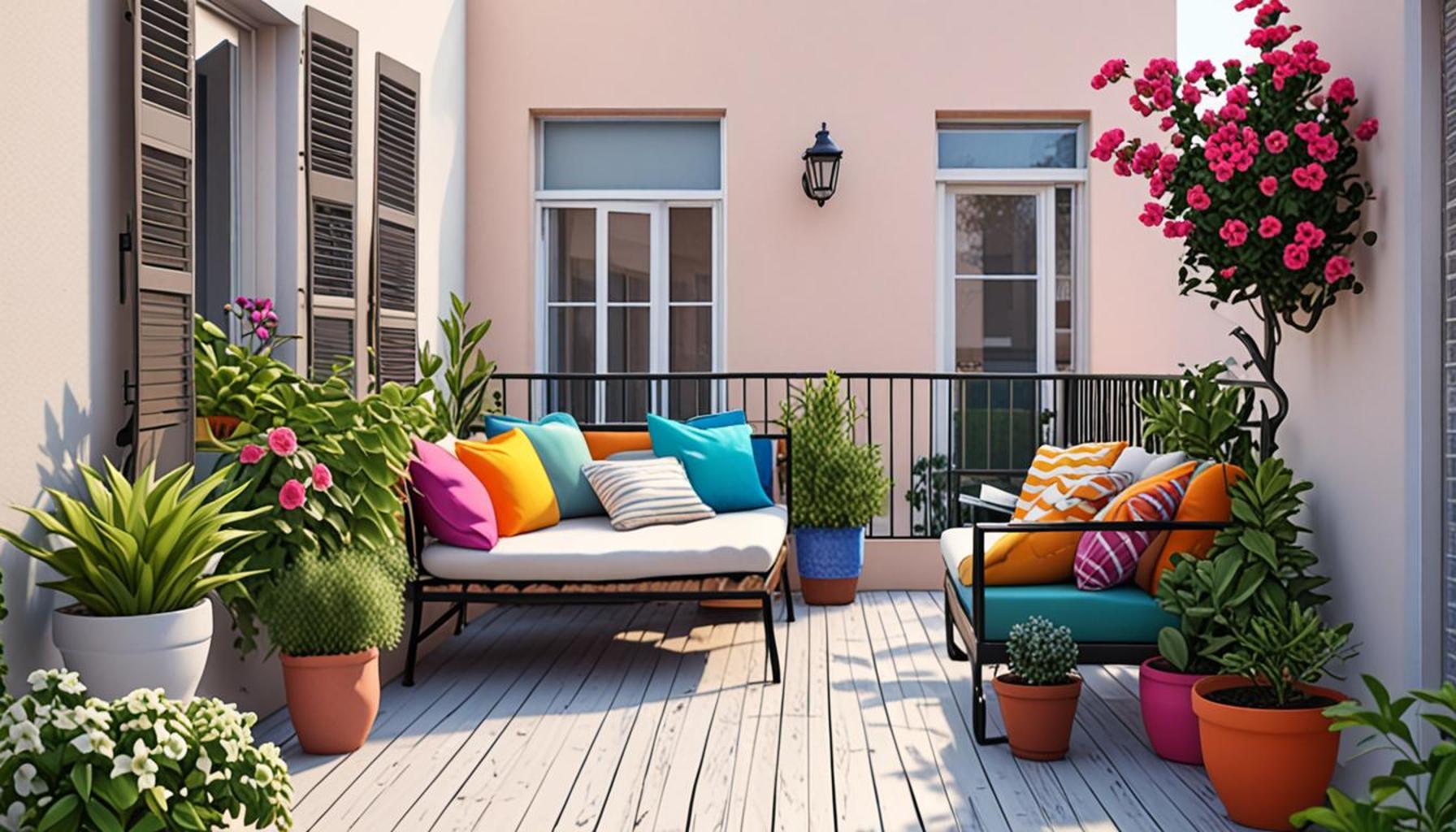
In recent years, outdoor spaces have undergone a remarkable transformation, shifting from mere extensions of our homes to vital sanctuaries of relaxation and style. This change is largely influenced by the minimalism movement, which emphasizes simplicity and functionality. By adopting minimalist principles, we can enhance the aesthetics and utility of balconies and gardens.
Benefits of Minimalism in Outdoor Spaces
Consider the plethora of benefits associated with minimalism in outdoor environments:
- Functional Design: Every piece of furniture serves a clear purpose, improving both flow and usability. For instance, a compact outdoor dining set that can easily transition into a lounge area maximizes the utility of the space.
- Visual Clarity: A decluttered space creates a peaceful environment that fosters tranquility. Imagine enjoying a quiet morning coffee surrounded by well-placed furniture and only a few select ornamental plants.
- Eco-Friendly Options: Minimalist designs often incorporate sustainable materials and practices. Choices such as outdoor furniture made from recycled materials not only serve a functional role but also contribute positively to the environment.
More homeowners across the United States are recognizing the potential of their outdoor areas. In urban settings, where space is at a premium, minimalism provides an efficient solution that maximizes every available inch while maintaining a sophisticated style.
Creating Harmony with Minimalist Elements
Whether it’s a small balcony or a sprawling garden, incorporating minimalist elements can create a harmonious atmosphere. Popular features include:
- Multi-functional Furniture: Selecting items such as foldable chairs or integrated storage benches helps to eliminate clutter while promoting practicality. For instance, a bench that opens up for storage can house gardening tools and outdoor games without taking up additional space.
- Greenery: Opting for low-maintenance plants like succulents or ornamental grasses enhances beauty without overwhelming the senses. These plants often thrive in various conditions and can lead to lower upkeep costs.
- Neutral Palettes: Employing colors that blend with nature and modern aesthetics creates a serene environment. Shades like soft beige, muted greens, and gentle grays integrate seamlessly into outdoor landscapes.
Rethinking Outdoor Interactions
Ultimately, the transformation of outdoor spaces through minimalism invites us to rethink how we interact with our environment. It represents a cultural shift towards combining style with functional living, prioritizing experiences over excess. Homeowners can explore local design shows or visit garden centers to gather inspiration for their minimalist transformations. This growing trend not only enhances personal living spaces but also contributes to a broader cultural appreciation for the elegance and practicality of simplicity.
DISCOVER MORE: Click here to find out how to maximize your space
Embracing Minimalist Principles in Outdoor Spaces
As homeowners look to create inviting outdoor environments, the principles of minimalism offer a refreshing approach to designing balconies and gardens. By stripping away the non-essential elements, minimalism not only fosters a sense of clarity but also allows for a more enjoyable outdoor experience. The focus shifts from excessive decoration to curated spaces that encourage relaxation and connection with nature.
Elements of Minimalist Design for Balconies and Gardens
When considering a minimalist design for outdoor spaces, several key elements can significantly enhance both functionality and style:
- Flowing Layouts: An effective minimalist design prioritizes movement. By arranging furniture in a way that facilitates easy navigation, homeowners can create an inviting space that feels open and accessible. Think of a balcony where seating is arranged along the edge, allowing for unobstructed views of the landscape while creating a cozy nook to unwind.
- Quality Over Quantity: Minimalism encourages homeowners to invest in fewer, high-quality items instead of numerous pieces that clutter the space. A single, well-crafted wooden table accompanied by a few elegant chairs can provide an intimate dining experience without overwhelming the area. This approach not only elevates aesthetics but also reduces maintenance and cleaning efforts.
- Natural Elements: Integrating natural materials like wood, stone, and metal can enhance the overall ambience of an outdoor area. Minimalist gardens often utilize gravel paths, sleek metal planters, or wooden decks that complement the surrounding nature while maintaining a modern appeal.
Statistics reveal an exciting trend in outdoor living spaces. According to a recent survey by the American Society of Landscape Architects (ASLA), nearly 70% of homeowners are planning to invest in their outdoor spaces, with a significant portion favoring minimalist designs. With cities becoming more congested and urban living spaces shrinking, this movement resonates particularly well with those seeking to create personal retreats amidst the chaos of daily life.
Incorporating Technology and Sustainability
Minimalism in outdoor design also opens the door to incorporating smart technology, which can enhance both functionality and sustainability. Products like solar-powered garden lights, automated irrigation systems, and energy-efficient outdoor heaters can reduce waste and improve the overall efficiency of the space. The shift towards a tech-savvy approach combined with a minimalist aesthetic means that outdoor spaces can remain stylish while also being environmentally conscious.
As homeowners increasingly recognize the importance of their outdoor areas in their overall well-being, the minimalist movement serves as a beacon of inspiration. By thoughtfully selecting elements that prioritize simplicity, beauty, and sustainability, individuals can transform their balconies and gardens into harmonious retreats that reflect their personal style while optimizing the space they occupy.
| Minimalist Design | Practical Benefits |
|---|---|
| Streamlined Aesthetics | Creates a visually appealing, clutter-free environment. |
| Enhanced Space Utilization | Maximizes functionality by prioritizing essential items and open spaces. |
Embracing minimalism in outdoor spaces transforms balconies and gardens into havens of both style and practicality. The approach of a streamlined aesthetic not only elevates the visual appeal but also provides a tranquil atmosphere where every element has purpose. This deliberate simplicity fosters a sense of calm and relaxation, making it highly desirable in today’s fast-paced world.Moreover, the principle of enhanced space utilization allows homeowners to optimize every inch of their outdoor areas. By focusing on essential elements—such as furniture that serves multiple purposes or plants that require minimal maintenance—residents can create inviting environments that leave room for social interactions or solitary contemplation. As a result, the harmony between functionality and style becomes a prominent feature in these spaces, compelling many to rethink the potential of their balconies and gardens. Exploring these aspects can lead to innovative designs, making outdoor areas an extension of one’s personal style while maximizing their utility.
DIVE DEEPER: Click here for more insights
Designing with Purpose: The Art of Minimalist Gardening
In the realm of outdoor spaces, minimalist gardening stands out as a concept that transcends mere aesthetics. It involves a philosophy of design that embraces the harmony between nature and the built environment. When applying minimalist principles to gardens, homeowners can create stunning landscapes that require less maintenance while showcasing the beauty of essential natural elements.
Strategic Plant Selection
At the foundation of a minimalist garden is the notion of strategic plant selection. Homeowners should consider native species that can thrive in their local climates, reducing the need for excessive watering or chemical treatments. For instance, in the arid climates of the American Southwest, succulents and cacti offer vibrant textures and colors without the burden of high maintenance. In contrast, homeowners in the Pacific Northwest may opt for ferns and moss, enhancing the natural feel of their gardens while emphasizing simplicity.
Another key aspect is to select plants that serve multiple purposes. For example, herbs like rosemary and basil not only beautify a space but also add flavor to home-cooked meals. This approach optimizes functionality while adhering to minimalist ideals.
Creating Zones for Relaxation and Reflection
Incorporating designated zones for relaxation can elevate an outdoor space’s experience without overwhelming it. Rather than filling a balcony or garden with numerous features, creating a focal point, such as a single fire pit or a hammock tucked between trees, invites socializing and leisure. This simplicity directs attention and encourages engagement with the space.
Furthermore, the use of textural contrasts can enhance these zones while maintaining a minimalist aesthetic. A wooden decking area can be complemented by smooth gravel pathways or minimalist stone benches, establishing a rich tapestry of textures that draws the eye without the clutter. This technique allows individuals to appreciate the carefully curated details while still enjoying a broader sense of tranquility.
Furniture Selection and Arrangement
When it comes to outdoor furniture, embracing the minimalist ethos means prioritizing functional designs. Multi-purpose furniture such as foldable tables, stackable chairs, or storage benches not only saves space but also encourages flexibility in outdoor activities. A balcony can transform from a quiet reading nook to a vibrant dining area with a simple arrangement change, allowing for dynamic usage.
Additionally, selecting furniture with clean lines and neutral colors enhances the overall aesthetic. Bright colors may provide a pop of interest, but they can also detract from the cohesive minimalist design. Instead, homeowners can achieve a balance by using muted tones that blend seamlessly with the outdoor environment, creating an inviting yet understated atmosphere.
With the growing interest in minimalism and its accompanying lifestyle benefits, homeowners are encouraged to rethink and redefine their outdoor areas. By stripping down to essentials and celebrating quality, a minimalist approach can bring both functionality and style to balconies and gardens, making them integral parts of daily living and retreat no matter the size of the space.
DISCOVER MORE: Click here to learn about minimalism in cozy living spaces
Conclusion
As the essence of modern living continues to evolve, so does our perception of outdoor spaces. The transformation to a more minimalist approach not only enhances functionality but also speaks volumes about our appreciation for style and simplicity. By implementing strategic plant selection, homeowners can create sustainable environments that thrive naturally, reducing maintenance workload while aligning with the ecosystem. Furthermore, through the creation of designated zones and careful consideration of furniture, outdoor areas can be transformed into inviting retreats that foster connection and relaxation.
Minimalism in outdoor design is not solely about aesthetic appeal; it is a holistic approach that prioritizes quality over quantity. With an emphasis on dual-purpose elements, from multi-functional furniture to versatile plant selections, each piece and plant serves a purpose that enriches the overall outdoor experience. This thoughtful design philosophy helps to create an inviting ambiance that seamlessly integrates with urban and rural environments alike.
The journey toward a more functional and stylized outdoor living experience is a reflection of a broader lifestyle shift towards mindfulness and simplicity. Whether you reside in a bustling city with a cozy balcony or a tranquil countryside home with sprawling gardens, embracing minimalist principles can transform these spaces into serene sanctuaries. As you embark on this journey, consider how legitimate minimalist gardening can not only elevate your outdoor area’s aesthetic but also cultivate a deeper relationship with your surroundings. Exploring the intricacies of minimalist design allows homeowners to reimagine their relationships with nature, blending beauty, functionality, and peace in harmonious landscapes.