Public discussion of ocean conservation tends to treat every threat as roughly equivalent, which makes the problem look both larger and vaguer than it is. The evidence points somewhere much more specific. For the great majority of large marine predators, the dominant pressure is capture in fisheries, either as the intended catch or as bycatch alongside something else. Habitat loss, pollution, noise, vessel strikes and climate change all matter, and some are growing quickly, but they are not currently equal in scale.
Ranking the pressures honestly is what makes the second half of the story possible. Where the cause of a decline has been identified precisely, protection has repeatedly worked: several shark, turtle, seal and fish populations are measurably larger now than they were forty years ago. Where the driver is diffuse, distant or spread across many jurisdictions, results have been much weaker. This guide covers both halves, including the cases where the outcome is genuinely mixed or still unclear.
Why Predators Recover Slowly
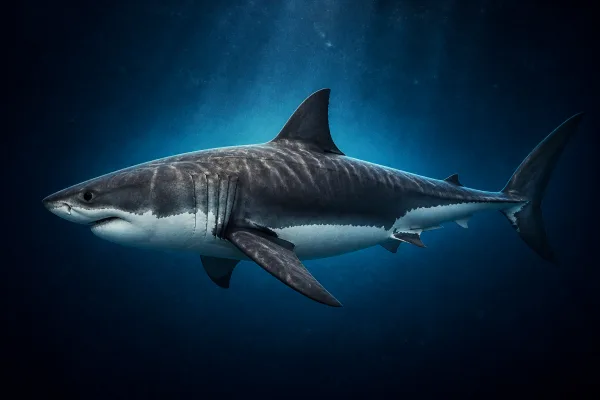
Before considering individual threats, it is worth understanding why marine predators respond to pressure so differently from the fish beneath them. A sardine matures within a year or two and releases tens of thousands of eggs at a time, so a depleted population can rebuild in a few good seasons. A large predator does the opposite. Great white sharks are thought to mature near 26 years of age in females, carry a small number of pups after a gestation of more than a year, and may produce only a handful of litters in a life spanning 70 years or more.
This pattern, sometimes described as a slow life history, means predator populations have very little capacity to absorb additional deaths. A fishery can reduce such a population within a decade, and rebuilding may then take half a century even if the pressure is removed entirely. It also means that mortality among mature adults matters far more than mortality among juveniles, which is why measures that protect large breeding individuals tend to deliver more than measures aimed at overall catch weight.
Fisheries: Targeted Catch and Bycatch
Two distinct problems are usually lumped together. Targeted fishing means an animal is the point of the trip, as with tuna, swordfish and some shark fisheries. Bycatch means it is caught while something else is being pursued, which is how most sharks, sea turtles, dolphins and seabirds die. Bycatch is harder to manage precisely because nobody wants it: the fleet gains nothing, the catch is often discarded unrecorded, and animals released alive may still die later from injury or exhaustion, so reported figures understate the true toll.
The scale is large and imperfectly known. Recent analyses estimate that fisheries kill on the order of 80 to 100 million sharks and rays each year, with confidence intervals wide enough that the range itself is the honest answer. One notable finding is that total shark mortality appears to have changed little over the past two decades even as retention bans spread, apparently because prohibiting the landing of a species does not prevent it from being caught. Oceanic whitetip sharks and several hammerhead species have declined steeply in open-ocean fisheries, and both are now assessed as being at high risk of extinction.
Gear types and the predators they affect most
- Pelagic longlines: miles of line carrying thousands of baited hooks, the main source of bycatch for oceanic sharks, sea turtles and albatrosses.
- Drifting and set gillnets: nearly invisible walls of mesh that entangle dolphins, sharks and turtles as readily as the target fish.
- Purse seines set around drifting fish aggregating devices: efficient for tuna, but they also take juvenile tuna and associated sharks.
- Bottom trawls: damaging to seafloor habitat and a significant source of sea turtle capture in shallow shrimp fisheries.
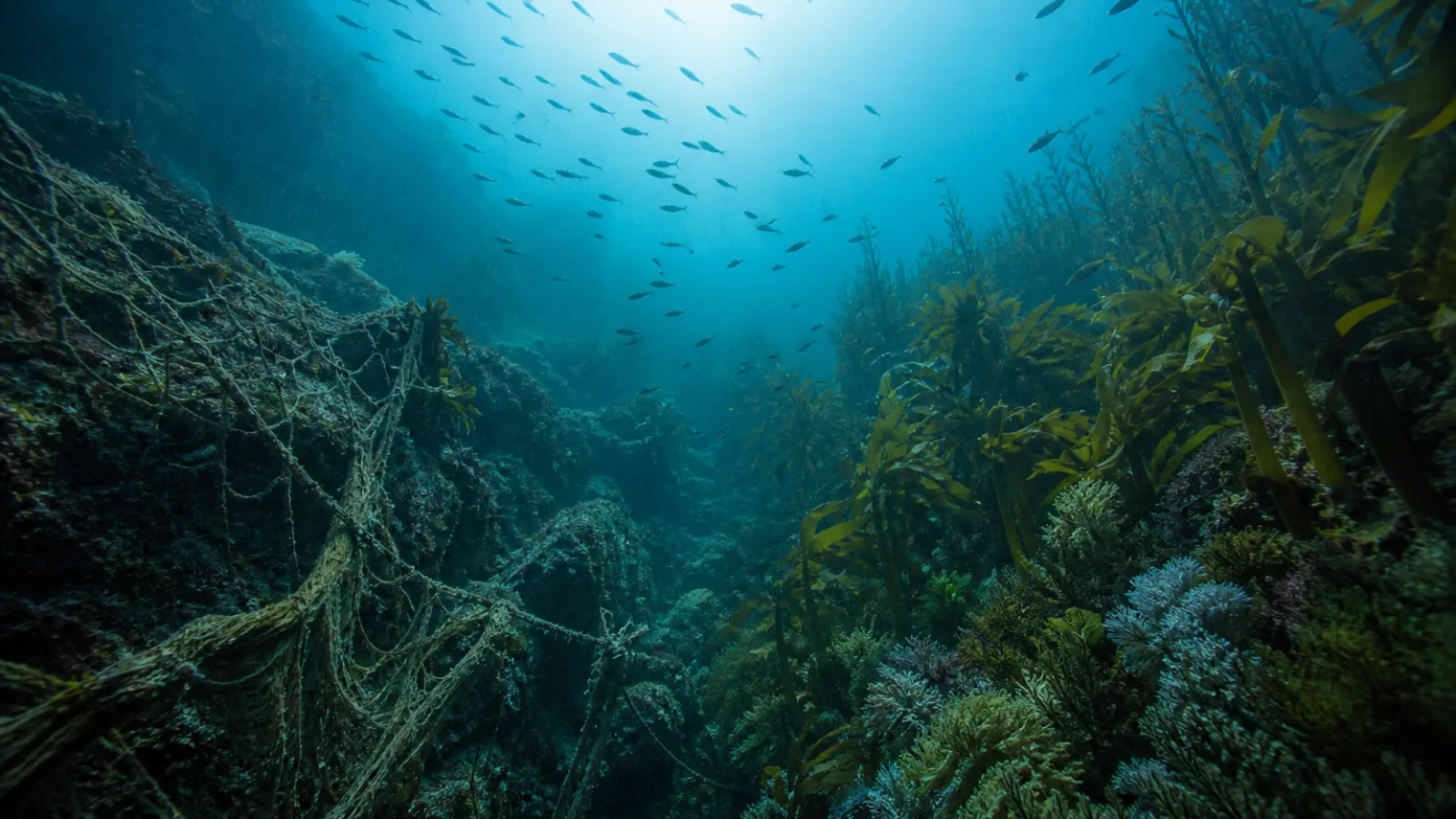
- Abandoned and lost gear: nets and traps that continue catching for years with no one benefiting from the catch.
The Trade in Fins and Meat
Demand for shark fins, used mainly in a traditional soup served across parts of East Asia, created a market in which the fins were worth far more per pound than the rest of the animal. That price gap encouraged finning at sea, in which fins are removed and the body discarded to save hold space. Many countries and regional fishery bodies now require sharks to be landed with fins naturally attached, which makes the practice easier to detect, and successive CITES meetings have brought most commercially traded shark families under trade controls.
Attention to fins has obscured a larger picture. Analyses commissioned by the Food and Agriculture Organization found that the international trade in shark meat has grown substantially in value and volume, and it is now comparable to or larger than the fin trade by both measures. Shark meat is frequently sold under names that do not identify it, which complicates both consumer choice and enforcement. Reported declines in fin imports through Hong Kong have been cited as progress, though analysts disagree about how much reflects reduced demand and how much reflects trade shifting to other routes.
Losing the Nurseries
Habitat loss affects predators mostly indirectly, through the shallow, structurally complex places their young depend on. Mangroves are the clearest case. Estimates of loss vary by method, but a substantial fraction of the world's mangrove area, commonly put at a fifth or more, has been cleared since 1980 for shrimp ponds, timber, agriculture and coastal development. The rate of loss has slowed considerably since 2000 and some countries are now replanting, but mature mangrove forest with an intact root structure is not quickly replaced.
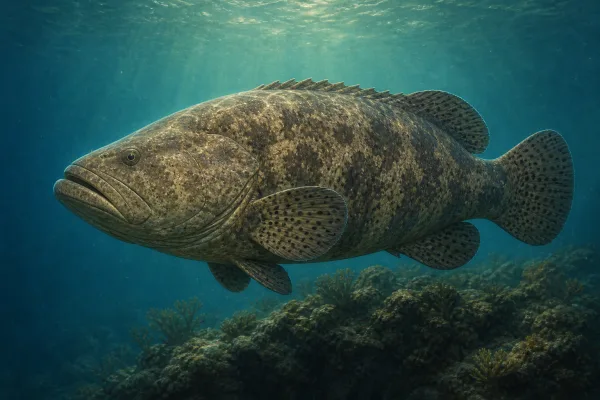
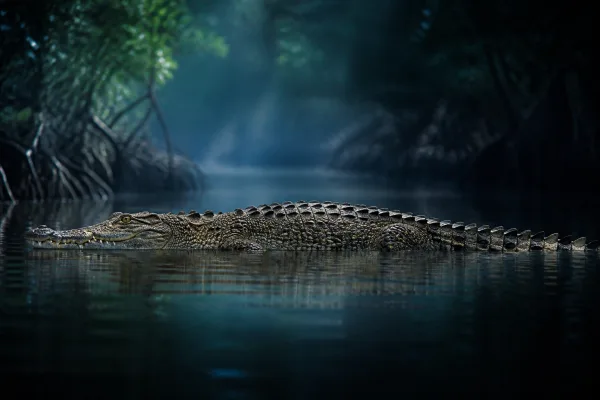
Reefs and estuaries are under related pressure. Coral cover has declined across much of the tropics from a combination of bleaching, disease, storms and local damage, with repeated global bleaching events since the late 1990s and another severe one in 2023 and 2024. Estuaries have been dredged, hardened and cut off from their rivers by dams, and nutrient runoff produces seasonal low-oxygen zones that exclude most large fish. The consequences reach predators that never enter these habitats as adults: Atlantic goliath grouper spend their juvenile years in mangroves, and American crocodiles depend on mangrove creeks and brackish estuaries throughout their lives.
Plastic and Chemical Pollution
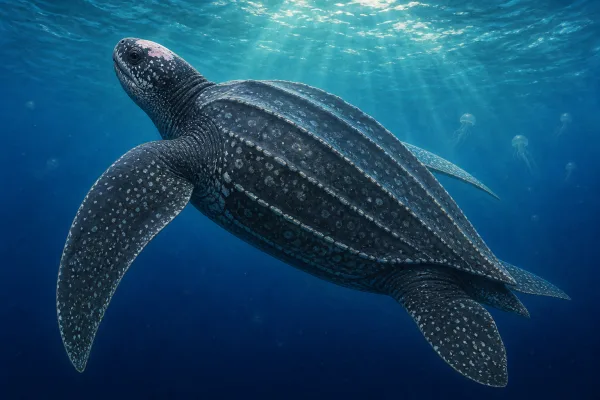
Plastic harms marine predators in two distinct ways. Derelict nets, lines and traps entangle animals mechanically, and this remains the more lethal pathway for large species. Ingestion is a separate problem that falls hardest on animals whose prey resembles debris. Leatherback sea turtles are the standard example, because a drifting plastic bag closely resembles the jellyfish they specialize in; a review of necropsy records reaching back to the 1960s found plastic in roughly a third of the leatherbacks examined, and the proportion appeared to increase over time.
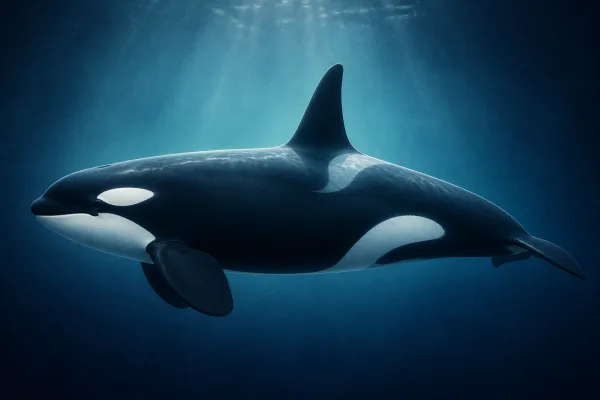
Chemical contamination is less visible and often more serious. Polychlorinated biphenyls were banned in most industrial countries in the 1970s and 1980s but persist in sediments and accumulate in fat, which puts blubber-carrying predators at the top of the exposure gradient. Because these compounds pass to calves in milk, first-born offspring receive an especially high dose. A widely cited modeling study published in 2018 concluded that more than half of the orca populations examined could decline toward collapse over the coming century from PCB exposure alone. That projection rests on assumptions others have questioned, though the measured contaminant loads behind it are not in dispute, and the heavily contaminated Southern Resident orcas remain a small, struggling population.
A Warming and More Acidic Ocean
Ocean warming acts on predators mainly by moving things. Species distributions have shifted measurably poleward and deeper across many regions, seasonal timing of plankton blooms has changed relative to the breeding cycles that evolved around them, and warm surface layers can compress the usable habitat of species that need both oxygen-rich and cool water. These shifts do not affect all predators equally. Wide-ranging generalists such as bull sharks and bottlenose dolphins have appeared in waters where they were previously uncommon, while cold-adapted specialists have fewer options.
Acidification is often mentioned alongside warming, and the chemistry is unambiguous: surface ocean pH has fallen by about 0.1 unit since the preindustrial era, an increase of roughly 30 percent in hydrogen ion concentration. Its consequences for large predators are much less certain. Direct physiological effects on adult sharks and marine mammals appear modest at projected concentrations, and the plausible route of harm runs through shell-forming plankton and reef-building corals at the base of the food web. That indirect pathway is well reasoned but poorly quantified, and it should be described as a serious risk rather than a documented decline.
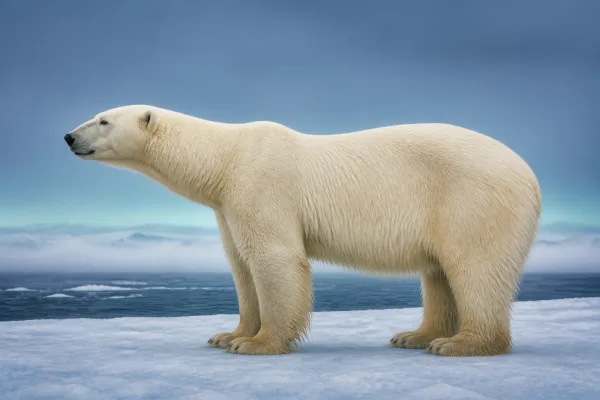
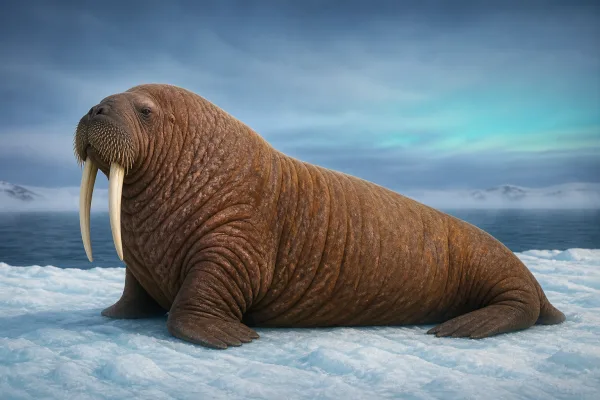
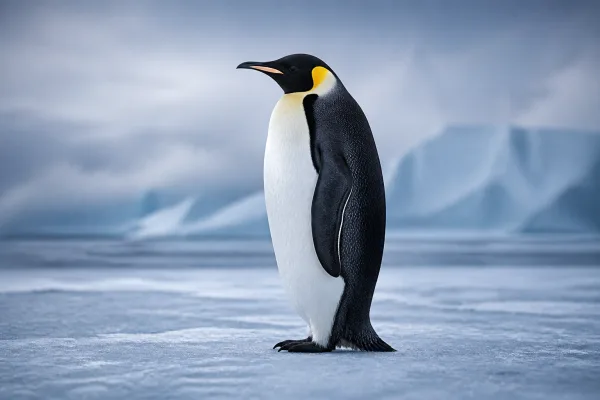
Sea ice loss is the exception where effects on predators are already clear. Arctic sea ice extent at the September minimum has been declining at roughly 12 percent per decade, and the ice that remains is younger and thinner. Polar bears in several subpopulations show reduced body condition and reproductive success as the ice retreats past the productive continental shelf. Walruses forced to haul out on land in large numbers suffer trampling deaths and must travel farther to reach feeding grounds. Emperor penguins, which breed on stable fast ice, lost entire colonies to early ice breakup in the Bellingshausen Sea in 2022 and were listed as threatened under the United States Endangered Species Act the same year.
Noise and Vessel Strikes
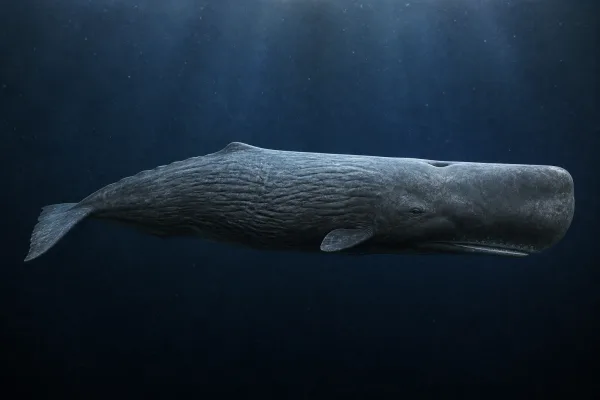
Sound travels far and efficiently in seawater, which is why toothed whales navigate and hunt with it. Commercial shipping, seismic airgun surveys and some sonar systems have raised background noise substantially in the frequency bands these animals use. Long-term recordings in parts of the Northeast Pacific documented an increase in low-frequency ambient noise averaging roughly three decibels per decade through the second half of the twentieth century, a rate that varies by location and is not global. The main concern is masking, meaning noise that reduces the range over which sperm whales and other echolocating species can detect prey or hear one another.
Vessel strikes are a more direct problem with a clearer solution. Large whales and sea turtles surfacing to breathe are struck by ships in busy coastal corridors, and the probability that a strike is fatal rises sharply with vessel speed. That relationship is one of the better-supported findings in marine conservation, and it has produced results: mandatory and voluntary speed restrictions in the northwestern Atlantic have been associated with a marked reduction in lethal strikes on right whales within the managed zones, while strikes outside those zones have continued.
Protected Areas That Actually Protect
Marine protected areas are the most discussed conservation tool and the most variable in effect. A global survey of reserves published in 2014 found that ecological benefits depended on a combination of features rather than designation alone: reserves needed to be genuinely no-take, well enforced, more than about a decade old, large, and isolated from fished areas by deep water or sand. Reserves meeting most of those conditions held substantially more large fish and far greater shark biomass than comparable fished coastline, while reserves meeting few of them were statistically indistinguishable from unprotected areas.
This is why headline coverage figures should be read carefully. Roughly eight percent of the ocean now carries some form of protected designation, but only about three percent is assessed as fully or highly protected, and different databases produce different totals depending on how partial protection is counted. Reserves also have a structural limitation: they work best for species that stay put. A reef fish or a goliath grouper can be protected by drawing a boundary, whereas a shortfin mako or a leatherback crossing an entire ocean basin spends most of its life outside any reserve, which is why area-based protection has to be paired with rules that follow the animal.
Gear Changes and Catch Limits
Some of the most effective interventions in marine conservation are unglamorous engineering changes to fishing gear. They work because they reduce bycatch without requiring fishermen to give up their catch, which makes compliance far more likely than measures based on prohibition alone. Several have been tested against controls at sea and have produced large, replicated reductions in the incidental capture of turtles, seabirds and marine mammals, and in a number of cases they have improved the target catch as well.
The other pillar is quantitative management: setting catch limits from stock assessments, revising them as data come in, and requiring rebuilding plans when a stock falls below a threshold. In United States federal fisheries this framework is set by the Magnuson-Stevens Act, and it has coincided with the rebuilding of dozens of stocks since the 1990s. On the high seas the equivalent bodies are regional fisheries management organizations, which decide by consensus among member nations and have frequently adopted quotas above the levels their own scientific committees advised. The tools work when applied; the difficulty is political rather than technical.
Measures with documented results
- Circle hooks in place of J-hooks on longlines: substantially fewer sea turtles hooked, and those caught are more often hooked in the mouth rather than swallowing the hook.
- Turtle excluder devices in shrimp trawls: grids that guide turtles out through an escape opening, cutting turtle capture dramatically when correctly installed and used.
- Weighted branch lines, night setting and bird-scaring streamers: reduced albatross and petrel deaths in several Southern Ocean longline fisheries by very large margins.
- Acoustic deterrents on gillnets: fewer porpoise and dolphin entanglements in some fisheries, though effectiveness varies and animals may habituate.
- Fins-attached landing rules and species-specific retention bans: improved monitoring and reduced finning, but they do not by themselves reduce how many sharks are caught.
Recoveries, and Their Limits
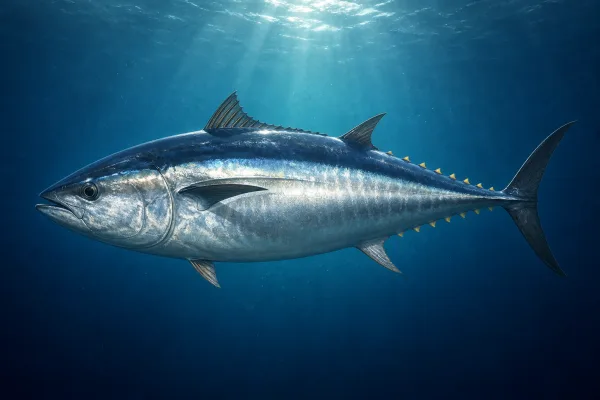
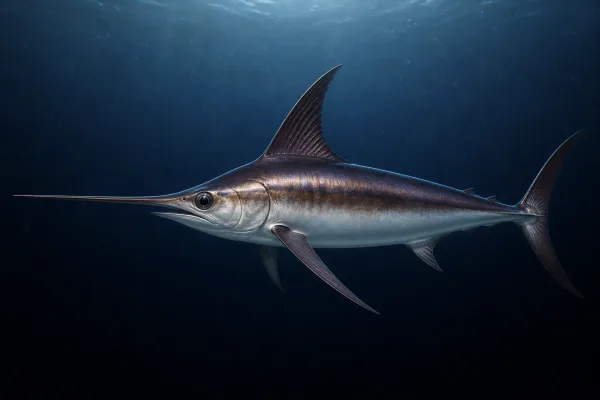
Several populations demonstrate that decline is not inevitable. White sharks in the northwestern Atlantic and off California have increased since federal protection in the 1990s, helped by the parallel recovery of the seals they feed on. North Atlantic swordfish were declared rebuilt by international assessment in 2009 after quota reductions. Atlantic bluefin tuna in the eastern Atlantic and Mediterranean recovered strongly after reforms adopted between 2007 and 2010, enough for the species to be reassessed globally from Endangered to Least Concern in 2021, although the western Atlantic stock remains smaller and its trajectory less certain. American crocodiles in Florida increased sufficiently to be reclassified from endangered to threatened in 2007.
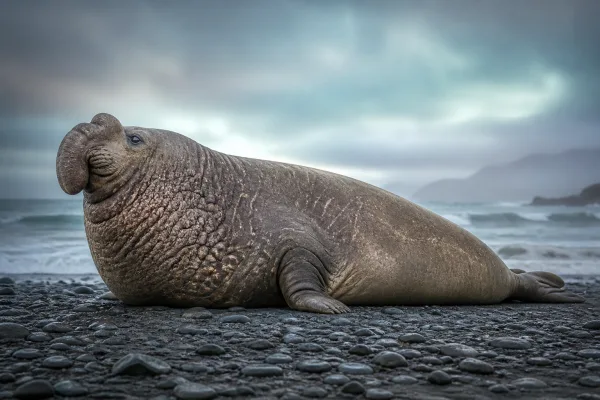
Other cases are genuinely mixed, and describing them as victories would misrepresent them. Southern elephant seals rebounded after commercial sealing ended, yet several populations including Macquarie Island have declined since the 1950s for reasons that remain unresolved. Atlantic goliath grouper improved markedly under a United States harvest moratorium beginning in 1990 and were reassessed from Critically Endangered to Vulnerable in 2018, after which Florida reopened a small, tightly limited harvest in 2023, a decision that remains contested among researchers. Leatherback turtles illustrate the same divergence within one species: Atlantic nesting populations are comparatively stable while several Pacific populations have fallen by more than 90 percent and are considered close to disappearing.
The pattern in these outcomes is reasonably consistent. Recovery has followed where the pressure was identifiable, concentrated in a defined area, and subject to a government able to enforce a rule. It has been slower or absent where an animal ranges across many jurisdictions, where the driver is the incidental catch of a fleet nobody controls, or where the cause is climate. Sperm whales, reduced over two centuries of industrial whaling and protected since the 1980s, are still assessed as recovering rather than recovered, which is a reasonable measure of how long these timescales are.
Documented population increases
- White sharks in the northwestern Atlantic and off central California, following protection and the recovery of pinniped prey.
- North Atlantic swordfish, declared rebuilt in 2009 after internationally agreed quota cuts.
- Atlantic bluefin tuna in the eastern Atlantic and Mediterranean, rebuilt after management reforms, with the western stock still lagging.
- American crocodiles in south Florida, downlisted from endangered to threatened in 2007 after decades of habitat protection.
- Northern and southern elephant seals across much of their range, following the end of commercial sealing, though not in every colony.
Sources
-
The IUCN Red List of Threatened Species
International Union for Conservation of Nature
Global conservation assessments, population trends and threat classifications for every species profiled here.
-
Species Directory
NOAA Fisheries
Management-grade biology, distribution and stock information for species in United States waters.
-
Convention on International Trade in Endangered Species of Wild Fauna and Flora
CITES Secretariat
Appendix listings governing international trade in the species profiled here.
-
U.S. Fish & Wildlife Service
USFWS
Listing decisions and recovery planning for protected marine and coastal species.
-
National Snow and Ice Data Center
NSIDC
Sea ice extent and trend data underlying polar habitat descriptions.
-
International Whaling Commission
IWC
Cetacean population status, ship-strike and entanglement reporting.
Figures on this page were last checked against these sources on .